


HDPE Plastic: Grades, Uses and How to Order Cut to Size
HDPE plastic explained: key properties, the main grades, where it is used and how to order it cut to size from Plastic Online, delivered Australia-wide.
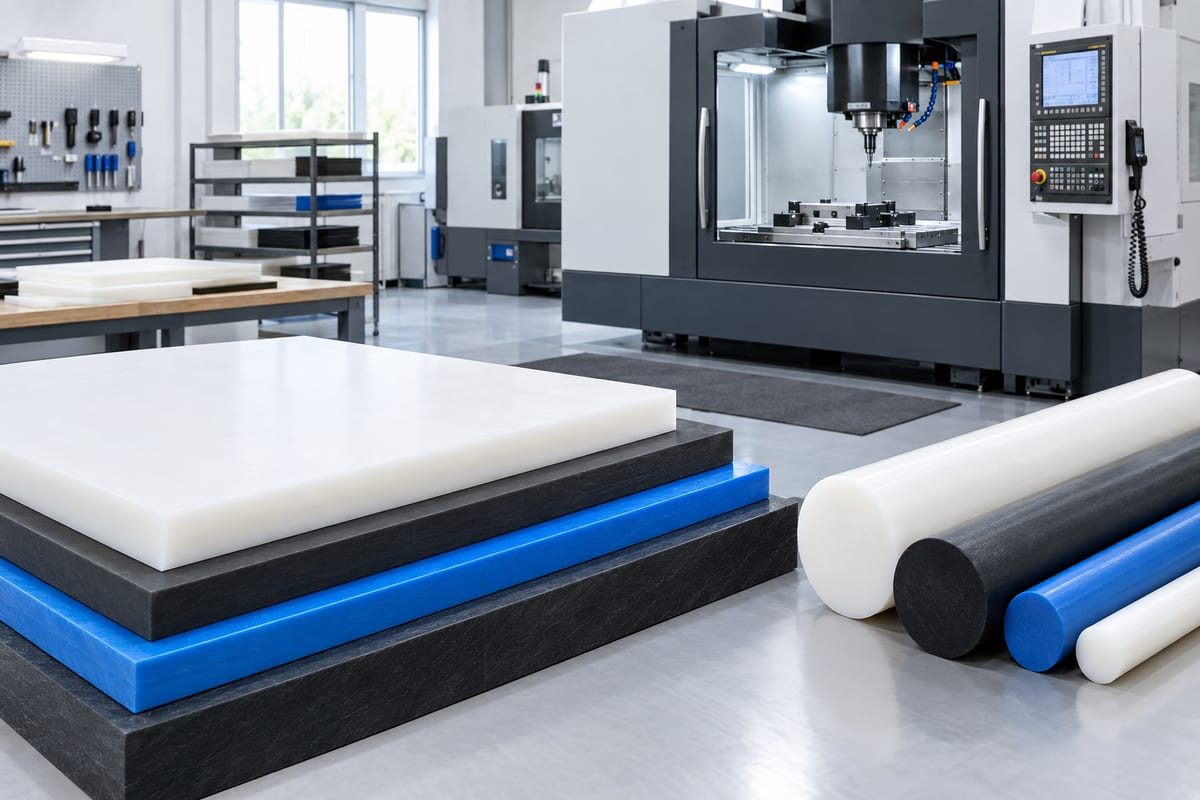
HDPE plastic (high-density polyethylene) is one of the most useful materials in a fabricator's kit. It is tough, chemical resistant, easy to machine and light enough to float. It is also less well understood than acrylic or polycarbonate, mostly because it is not transparent and doesn't glue like the other common sheet plastics. This guide covers what HDPE is, the options you will come across, where it is used, and how to get it cut to size and delivered.
What is HDPE plastic?
HDPE is a thermoplastic made from ethylene. Its molecules pack tightly, which gives it a better strength-to-density ratio than lower-density polyethylenes such as LDPE. In sheet form it is semi-rigid, slightly waxy to the touch and available in a range of colours, with natural (off-white) and black the most common.
The properties that matter in practice are:
Impact resistance: HDPE absorbs knocks rather than cracking, including in cooler conditions.
Chemical and moisture resistance: it will not rot, rust or swell, and it resists many acids, alkalis and cleaning chemicals.
Low friction and easy cleaning: the surface is slippery and non-porous, which suits wear strips, chutes and hygienic work surfaces.
Low density: it weighs far less than metal or timber of the same size, and floats on water.
HDPE plastic options: which type do you need?
"HDPE" covers several products that look similar but are made for different jobs. Browse the full HDPE range and you will see the main groups below.
General-purpose HDPE sheet
The workhorse option for guards, linings, jigs, benchtops, bases and general fabrication. It machines cleanly and can be welded, so it suits custom parts and one-off builds.
Marine grade HDPE
Boat builders and dock owners want a material that ignores salt, water and sun. Seaboard HDPE marine grade is made for that environment and is commonly used for marine fittings, hatches, cabinetry and fender or step components where timber would rot and metal would corrode.
Cutting board HDPE
Commercial kitchens and butchers use HDPE because it is non-porous, easy to sanitise and gentle on knife edges. Our HDPE polyethylene cutting board is the product to start with for food prep surfaces and chopping blocks.
Ground protection mats
Heavy-duty HDPE is also used to protect turf, driveways and soft ground from vehicles and equipment. The HDPE ground protection mat comes as a 2440 x 1220 x 12.7mm sheet, which suits events, landscaping and temporary site access.
Where HDPE plastic is used
Because it handles moisture, chemicals and abuse, HDPE turns up across many trades:
Marine and fishing: boat panels, cutting stations, transom components and dock hardware.
Food and hospitality: cutting boards, prep benches and splash surfaces.
Industrial and workshop: wear strips, liners, machine guards, chutes, jigs and fixtures.
Agriculture and landscaping: troughs, panels and ground protection.
Playgrounds and public spaces: coloured panels and benches that resist weather and graffiti.
Working with HDPE: cutting, fixing and welding
HDPE cuts well with a sharp router bit, a fine-tooth saw or a laser-free machining process. It can melt and gum if the tooling is blunt or too slow, so use sharp tools and clear the chips. For accurate, repeatable parts, CNC routing is usually the best option, particularly for curves, cut-outs and multiple identical pieces.
The main catch is joining. HDPE resists solvent cements and most adhesives, so plan for mechanical fixings or plastic welding instead. Allow for thermal movement too: HDPE expands and contracts more than metal or timber, so use slotted holes on long runs and avoid fixing it rigidly on all sides. For outdoor jobs, specify a UV-stabilised or black grade so the surface doesn't degrade in the sun.
How to order HDPE plastic from Plastic Online
Ordering is straightforward. Pick the product that matches your use (general, marine, cutting board or ground mat), enter the dimensions you need and see the live price before you commit. Orders are delivered Australia-wide from our Gold Coast facility. If you aren't sure which type suits your job, or you need a custom shape or a quantity run, contact us with the application and we will point you to the right product.
Before you order, check three things: the environment (indoors, outdoors, marine or food contact), the loads and wear the part will see, and how it will be fixed. Getting these right at the start avoids the most common HDPE mistakes, such as using an unstabilised grade in full sun or trying to glue a joint that should have been welded or bolted.
Ready to start your project? Use our pricing calculator to get an instant cut-to-size price on HDPE plastic from Plastic Online, with delivery Australia-wide.