


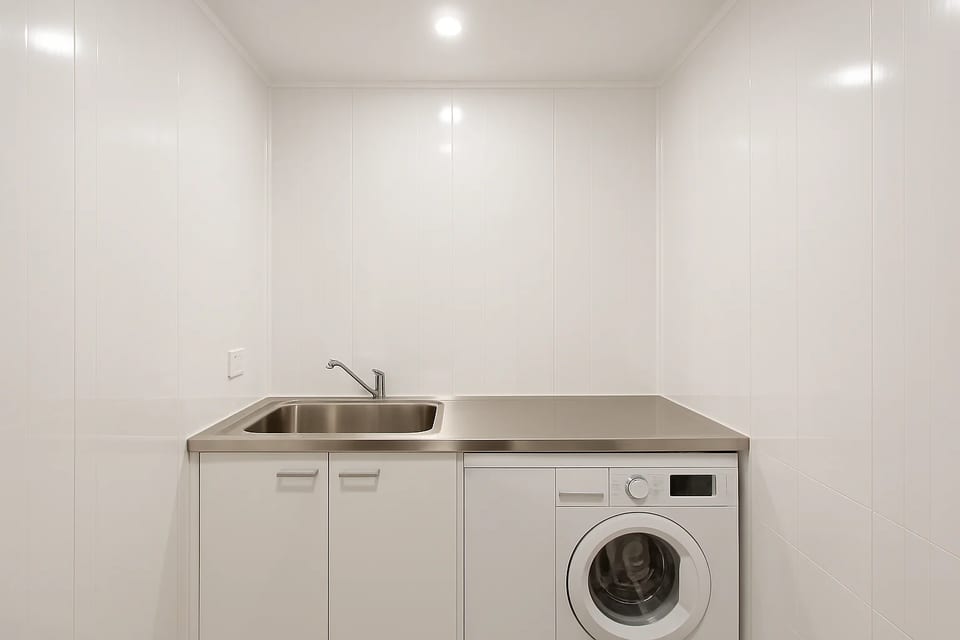
PVC Wall Panels and Hygienic Wall Lining
Flat rigid white PVC sheet cut to size as washable wall lining for laundries, garages, coolrooms, food prep areas and behind sinks.
4.8 / 5
Google Rating
24hr
Quote Turnaround
Australia Wide
Delivery
Start Your Project
Partner with Australia's leading acrylic fabrication experts. We provide end-to-end support from material selection to final delivery.
Material Consultation
Our engineers help you select the optimal grade for your specific environmental and aesthetic requirements.
CAD Support
Send us your designs in DXF, DWG, or PDF. We review every file for structural integrity and precision cutting paths.
Fast Quoting
Receive a comprehensive technical specification and competitive quote within 24 hours of your submission.
When a wall gets wet, splashed or hosed down every day, painted plasterboard does not last. Flat PVC sheet makes a smooth, waterproof lining that wipes clean, does not rot or rust, and can go up over an existing wall in a weekend. We cut rigid white PVC to your sizes for laundries, garages, coolrooms, food prep rooms, animal pens, wash bays and the strip of wall behind a sink.
What a PVC wall sheet is, and what it is not
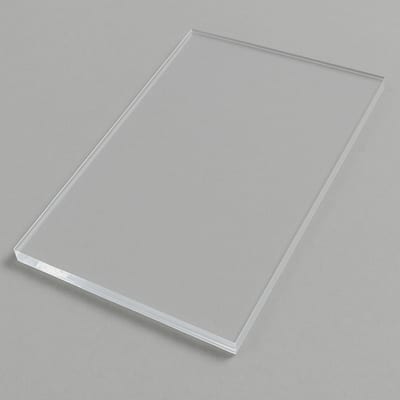
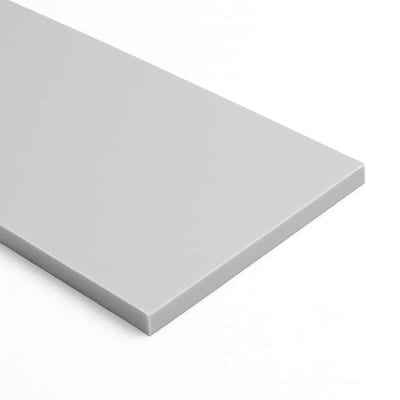
Our rigid PVC sheet is a flat, solid sheet, available in white from 1 mm up, as well as grey and clear. It has a smooth face with no grain or grout lines to trap grime, and water does not soak into it.
It is worth being clear about what we do not sell. The decorative tongue-and-groove PVC wall and ceiling panels you see in hardware stores, the ones that click together in long planks with a timber-look or tile-look print, are a different product. We do not stock them. What we supply is flat sheet, cut to size, which suits a plain hygienic finish rather than a decorative one.
Where flat PVC lining works well
- Laundries and wash troughs, where a full-height sheet behind the tub replaces stained paint.
- Garages and workshops, where oil, grease and dust need to wipe off.
- Coolrooms and storerooms, where the lining is cold, damp and cleaned often.
- Food prep and commercial kitchen back rooms that need a smooth, washable surface. If your inspector or fit-out spec needs paperwork, ask us for the material data sheet.
- Animal areas, such as dog washes, kennels, stables and vet clinics, where walls get hosed down.
- Behind sinks and basins, as a simple splashback panel.
Choosing a thickness
For lining a flat, sound wall, thin sheet is enough because the wall does the structural work. 1 to 2 mm rigid PVC suits adhesive fixing over plasterboard, fibre cement or sealed ply. Step up to 3 mm or more where the lining takes knocks from trolleys, mops, tools or animals, or where it bridges small hollows in an old wall.
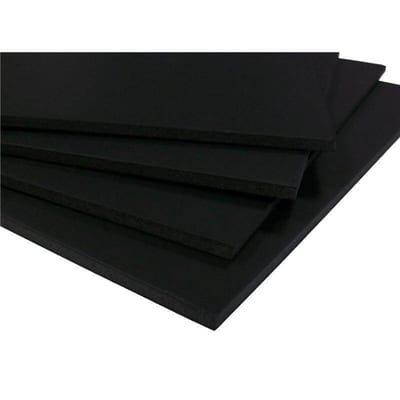
Foam PVC is a lighter option for lower-duty lining. It is a closed-cell expanded PVC with a smooth white face, easy to cut and very light to handle, available from 1 mm to well over 20 mm thick. It is not as hard as rigid PVC and will dent if struck, so it suits ceilings, upper walls and areas away from heavy impact.
Fixing PVC sheet to a wall
Most PVC wall lining is glued, with or without a few mechanical fixings. A few points make the difference between a lining that stays flat and one that bubbles:
- Start with a clean, dry, flat wall. Remove loose paint and fill large hollows.
- Use a panel adhesive that states it suits PVC and your wall substrate, applied in vertical beads so moisture can escape.
- Allow for movement. PVC expands with heat, so leave a small gap at the ceiling, floor and between sheets, around 2 to 3 mm on a full-height sheet, and cover it with a trim.
- Finish joins and corners with PVC H-joiners, angles and cap trims, then seal external edges with a mould-resistant silicone.
- If screwing, use oversized holes and pan head screws so the sheet can move without cracking.
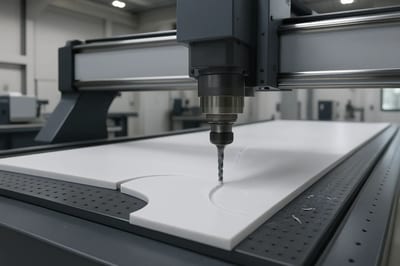
Cut-outs for power points, taps and pipes are much tidier done on our CNC router than with a jigsaw on site. Mark them on a sketch with measurements from a sheet edge and we will cut them in.
Other materials worth knowing about
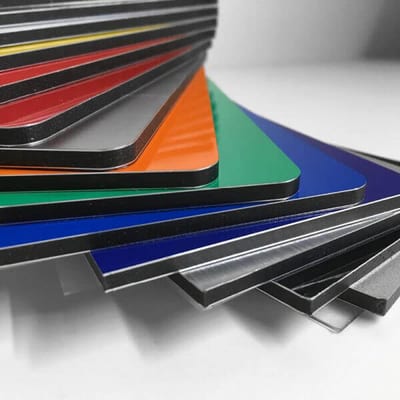
Polypropylene is an alternative where a lining sees strong chemicals, and aluminium composite panel gives a metallic or coloured finish that is stiffer than thin PVC. For coolrooms and long runs, rigid PVC is usually the simplest and most economical lining.
Cut and finished in our own workshop
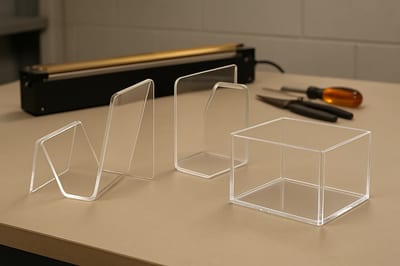
Plastic Online is how you order online from Holland Plastics, a plastics fabrication shop with its own workshop. CNC routing, laser cutting, vacuum forming and plastic welding all happen under one roof, and our plastic fabrication team can make matching sills, capping and corner pieces for a fit-out.
We cut to ±0.1 mm and will confirm critical sizes with you at quote stage, which helps when sheets must meet neatly at a corner. Orders ship Australia-wide from the nearest capital-city depot, and there is no minimum order, so lining one wall behind a laundry tub is fine. Start on our cut-to-size page.
Featured Products
Products commonly used for this application.
Services Involved
Our services relevant to this use case.
Need help with your pvc wall panels and hygienic wall lining project?
Our engineers provide expert guidance on material selection, design optimisation, and fabrication.
PVC Wall Panels and Hygienic Wall Lining FAQ
Do you sell tongue-and-groove PVC wall panels?
What thickness PVC should I use for wall lining?
Is PVC suitable for a food prep area?
How do I join two PVC sheets?
More in Kitchen, Bathroom & Wet Areas
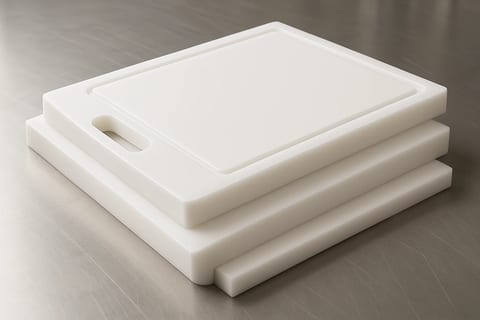
HDPE Chopping Boards Cut to Size
Custom size HDPE chopping boards for benches, butcher blocks and commercial kitchens, plus marine HDPE bait boards, with routed grooves and handles.
Read more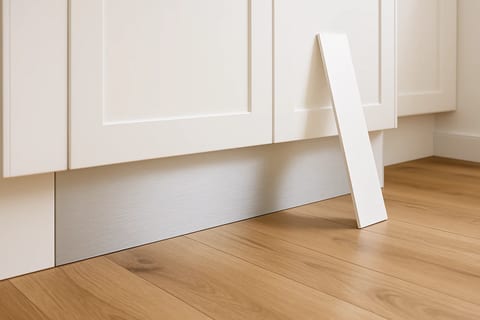
Kitchen Kickboards and Kick Plates Cut to Size
Moisture-proof kitchen and vanity kickboards and door kick plates cut to size in PVC, foam PVC, aluminium composite and HDPE.
Read more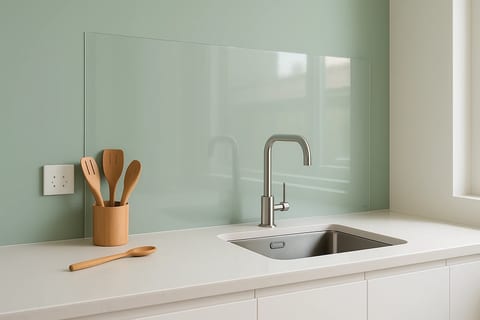
Acrylic Splashbacks
Seamless kitchen and bathroom splashbacks in clear or any colour, cut to your wall. One piece, no grout lines, no tiling.
Read moreReady to start your pvc wall panels and hygienic wall lining project?
Join thousands of businesses across Australia who trust Plastic Online for precision-cut industrial plastics.