


Acrylic Mirror: Types, Uses and How to Order Cut to Size
Acrylic mirror explained: how it compares with glass, silver and gold options, common uses, fitting tips and how to order cut-to-size online in Australia.
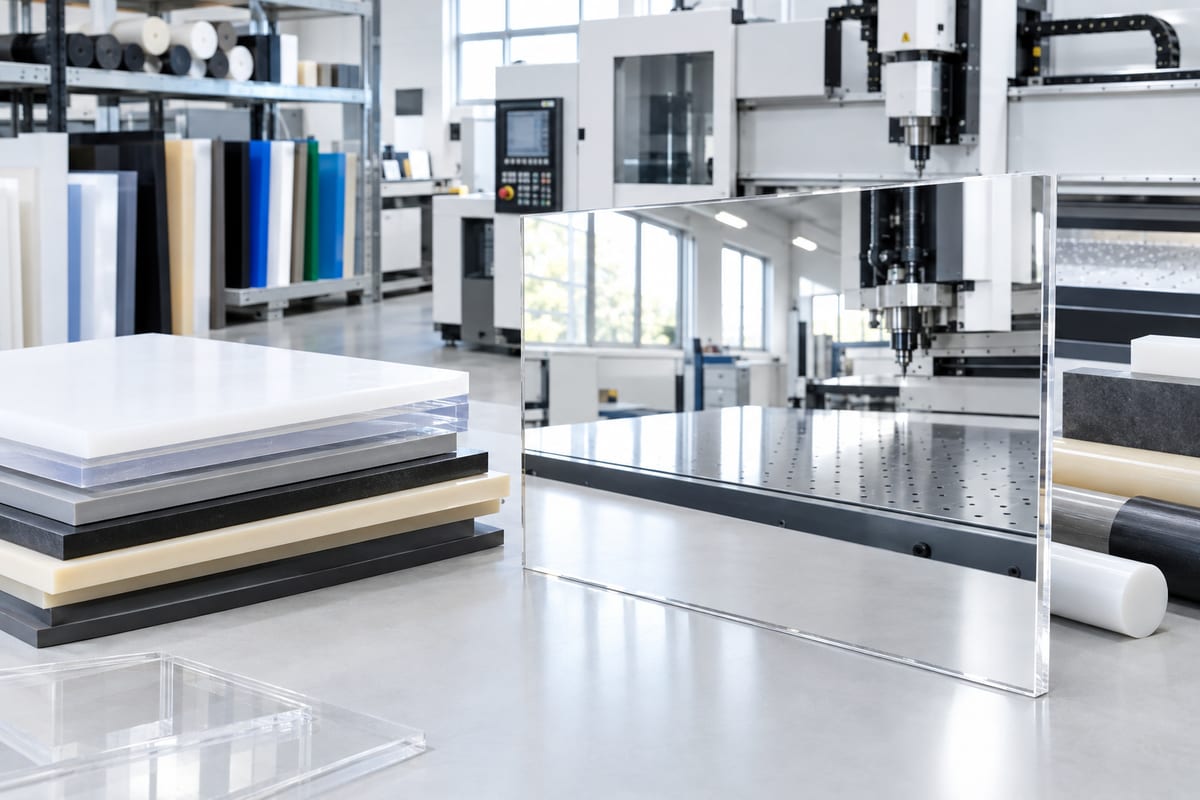
If you need a mirror that is lighter, tougher and easier to work with than glass, acrylic mirror is usually the answer. It looks like a conventional mirror, but it is a plastic sheet with a reflective coating, which makes it far more practical for a wide range of fit-outs, signage, displays and DIY projects. This guide explains what acrylic mirror is, the options available, where it works best and how to order it cut to size from Plastic Online.
What is acrylic mirror?
Acrylic mirror is a sheet of acrylic (PMMA) with a reflective metallic coating on one face, protected by a backing layer. The acrylic itself is the same family of material used in Perspex-style sheet, so it brings the same advantages: good clarity, easy machining and a much lower weight than glass. The reflection is made by the coating, and the acrylic provides the rigid, shatter-resistant carrier.
Compared with glass mirror, the main differences are:
Weight: acrylic is roughly half the weight of glass for the same thickness, so large panels are easier to carry, transport and mount.
Impact resistance: acrylic is far tougher than glass and does not break into dangerous shards if it is hit.
Workability: it can be cut, drilled, routed and shaped with standard plastics tooling, which makes custom sizes and profiles straightforward.
Image quality: glass generally gives a flatter, more distortion-free reflection, particularly over large areas. Acrylic can show slight waviness if it is thin or mounted on an uneven surface, so fix it to a flat, solid backing when you want the best result.
Acrylic mirror options at Plastic Online
Plastic Online stocks more than one type of acrylic mirror, so you can match the product to the job.
Silver and gold commercial acrylic mirror
The commercial silver and gold acrylic mirror sheet is the go-to choice for general-purpose work such as wall mirrors, retail fixtures, signage elements, craft projects and decorative panels. Silver gives the classic neutral reflection, while gold adds a warm, upmarket tone that suits feature walls, display backdrops and hospitality interiors.
Euromir acrylic mirror
If appearance and consistency matter more, look at the Euromir acrylic mirror range. It is aimed at projects where the finish is on show, such as commercial fit-outs and higher-end display work. Check the product page for the current sizes, thicknesses and specifications before you order.
Thickness and size
Thinner sheet is lighter and cheaper, but it follows any imperfection in the surface behind it. Thicker sheet is stiffer and gives a cleaner reflection when it is not fully supported. As a rule, use thin sheet only when it will be bonded flat to a rigid substrate, and go thicker for freestanding or framed panels. You can browse the full acrylic sheet range if you want to pair mirror with clear or coloured panels in the same project.
Where acrylic mirror is used
Because it is light and safe, acrylic mirror turns up in a lot of places where glass is awkward or risky:
Gyms, dance studios and kids' rooms: large wall mirrors that will not shatter if hit by equipment or a stray ball.
Retail and exhibition displays: back panels, shelving, risers and point-of-sale pieces that need sparkle without the weight.
Signage and decorative features: cut letters, logos and shapes in silver or gold for a high-impact finish.
Vehicles, caravans and boats: interior mirrors and panels where weight and vibration make glass a poor option.
Interior design and craft: feature walls, furniture inserts, cabinet doors, wall art and DIY decor.
Safety applications: workshops, schools and public spaces where a broken mirror would be a hazard.
Working with acrylic mirror: practical tips
A few habits will save you rework and wasted sheet.
Keep the protective film on. Leave it in place while you mark, cut, drill and handle the sheet, and peel it only once the panel is installed.
Choose the right adhesive. Solvent-based adhesives can attack the mirror backing and cause dark spots or edge damage. Use mirror-safe adhesive or double-sided mounting tape rated for acrylic and mirror, and test on an offcut first.
Allow for movement. Acrylic expands and contracts with temperature more than glass does. When using screws, drill oversize holes and do not overtighten, so the panel is not stressed.
Mind the heat and moisture. Keep mirror away from cooktops, heaters and other strong heat sources, and seal edges in damp areas so moisture cannot creep behind the coating.
Mount to a flat surface. Any bump or ripple in the wall will show up in the reflection, so prepare the substrate properly.
Clean gently. Use a microfibre cloth with mild soapy water. Avoid ammonia, alcohol and abrasive cleaners.
How to order acrylic mirror from Plastic Online
Ordering is simple. Pick your product, either the commercial silver or gold sheet or the Euromir range, then use plastics cut to size to enter the dimensions you need. Pricing updates live as you adjust size and quantity, so you can see the cost before you commit. Orders are delivered Australia-wide from Holland Plastics on the Gold Coast.
Measure carefully and allow for any frame, channel or fixing gap. If your design needs curves, cut-outs, lettering or intricate shapes, ask about laser cutting services , which suit detailed profiles in acrylic. If you are unsure which mirror or thickness suits your application, get in touch with the team and describe the job. They can point you to the right option before you order.
Is acrylic mirror right for your project?
Choose acrylic mirror when weight, safety or custom shapes matter, and when a very slight loss of optical perfection compared with glass is acceptable. For gyms, displays, signage, vehicles, decorative features and busy public spaces, it is usually the smarter, safer and more cost-effective material. For a flawless, large-format reflection in a fixed, protected location, glass may still have the edge. Either way, knowing the trade-offs up front gets you the right result the first time.
Ready to order acrylic mirror? Use the Plastic Online pricing calculator to get an instant cut-to-size price, with delivery Australia-wide.