
Cutting plastic parts can slow your whole job down if you don’t pick the right method from the start. CNC laser cutting plastics offers sharp detail and quick turnaround for thinner sheets like acrylic, while waterjet cutting plastics handles thicker, tricky materials like polycarbonate and PVC without heat damage. Knowing when to choose laser vs waterjet plastics saves you time, cuts waste, and gets your parts ready faster. Let’s break down which method fits your needs best. Read more here.
CNC Laser Cutting for Plastics
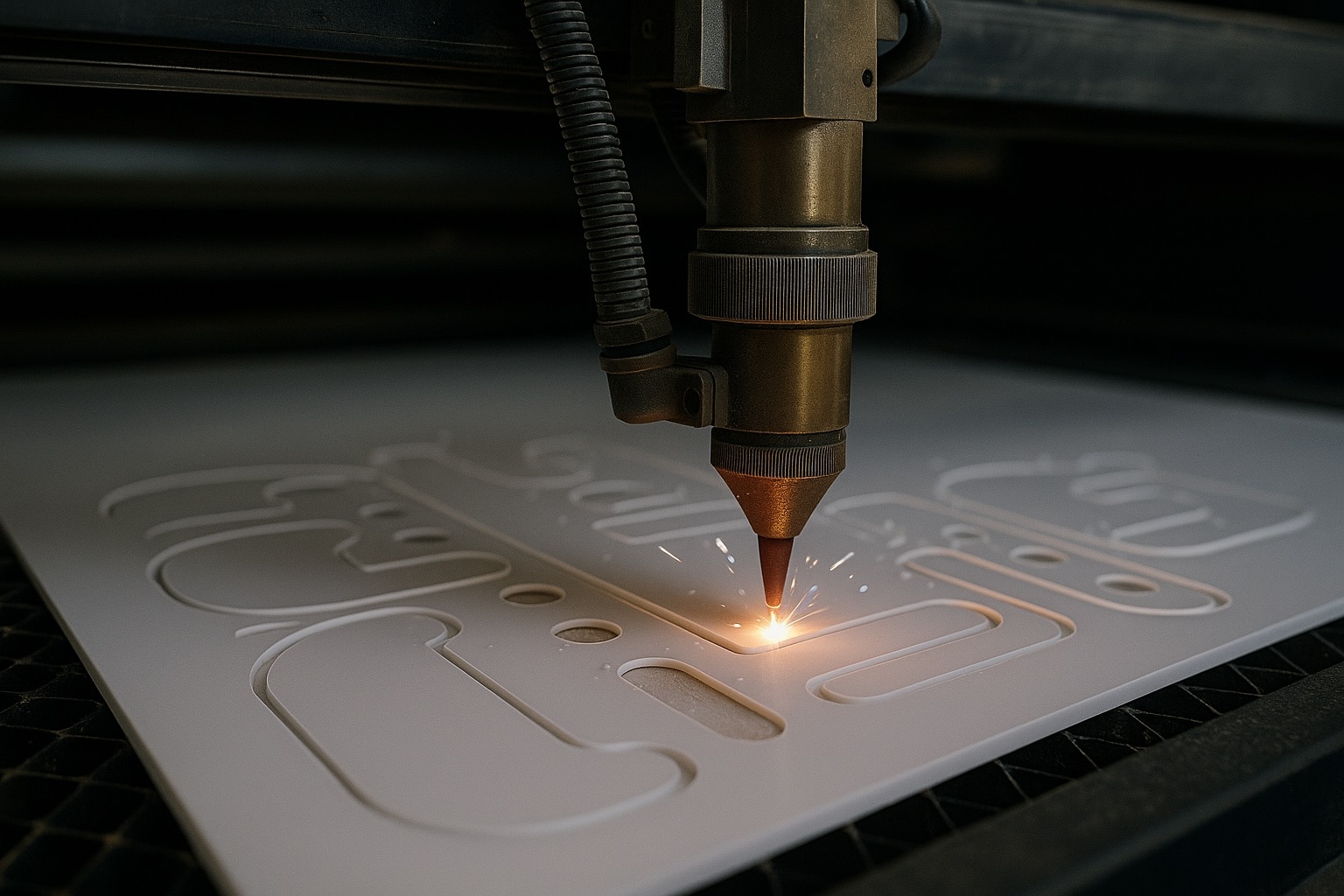
Understanding the value of CNC laser cutting can streamline your projects. This method excels with detailed designs and offers a quick turnaround for thinner plastic sheets like acrylic.
Advantages of Laser Cutting
Laser cutting provides you with precise cuts and sharp edges. It’s the go-to for projects needing intricate designs. With over 95% accuracy, it ensures your parts fit perfectly. Plus, no tooling costs mean a lower initial investment. The laser’s speed means you can get your parts faster, keeping your projects on track.
Ideal Plastics for Laser Use
Acrylic is the star in laser cutting. Its ability to produce clear and polished edges makes it perfect for displays and signage. Other plastics that work well include PVC and thin polycarbonate. If you’re creating light covers or intricate designs, laser is your best friend.
Considerations for Heat-Affected Zones
Laser cutting involves heat, which can alter some plastics. It’s crucial to understand these effects to avoid warping. For most acrylic applications, this isn’t an issue, but for other plastics, careful planning can prevent unwanted changes. Keep this in mind to maintain the quality of your parts.
Waterjet Cutting for Plastics
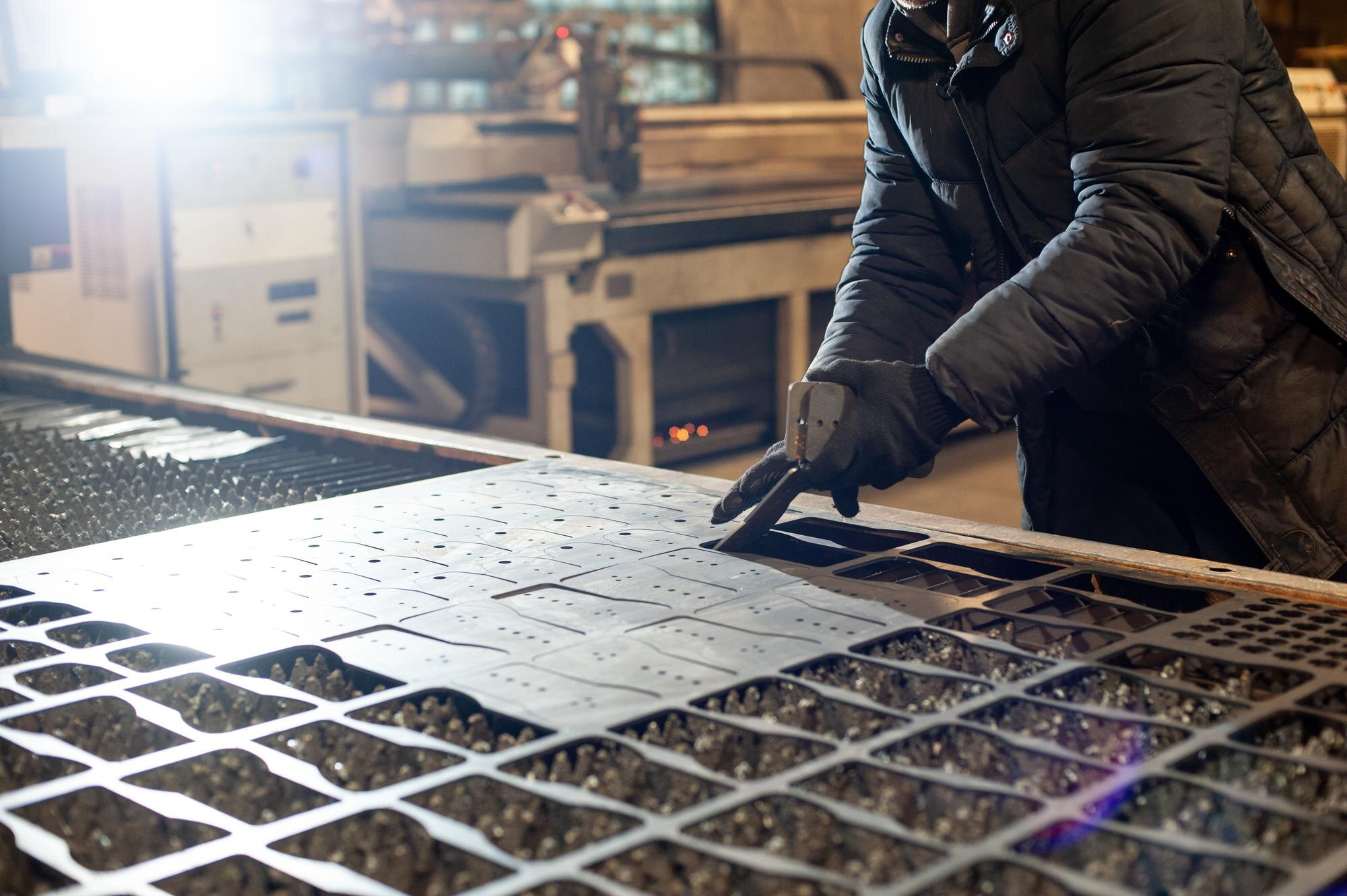
Switching gears to waterjet cutting, this method is ideal for thicker materials. It handles complex shapes without heat, preserving the material integrity.
Benefits of Waterjet Cutting
The standout feature of waterjet is its cold cutting process. This means no heat distortion, keeping your materials intact. Up to 10% less waste is generated, making it more efficient. If you’re cutting thick plastics, waterjet offers the precision and clean edges you need.
Suitable Plastics for Waterjet
Polycarbonate and thick PVC are perfect candidates for waterjet cutting. These materials require a method that avoids heat damage, and waterjet delivers. Whether it’s industrial applications or complex shapes, waterjet handles it all with finesse.
Cold Cutting Process Benefits
Cold cutting eliminates the risk of thermal damage. This preserves the material’s original properties and strength. It’s a game-changer for projects where material integrity is crucial. You get clean cuts and maintain quality, ensuring your parts perform as expected.
Choosing the Right Method
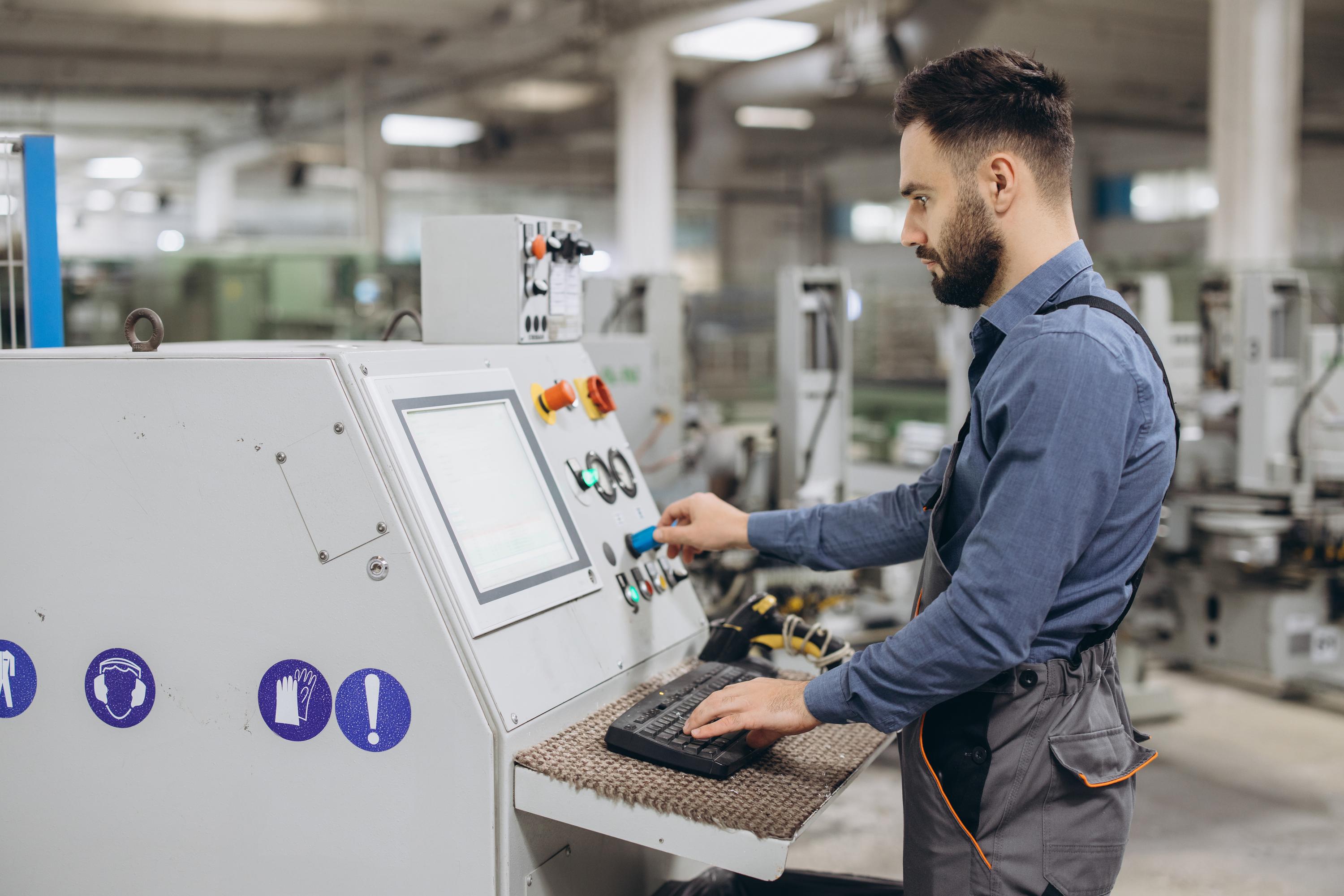
Deciding between laser and waterjet depends on your project’s specifics. Consider the material, thickness, and design complexity to choose the right path.
Factors to Consider
When choosing your cutting method, think about the material type and thickness. For detailed designs on thinner sheets, go laser. For thicker materials needing precision without heat, waterjet is your go-to. Understanding these factors helps you make informed decisions, saving time and resources.
Reducing Waste and Improving Precision
Both methods offer unique benefits in waste reduction and precision. Laser cutting minimizes waste with its 95% accuracy, while waterjet offers cleaner cuts for thicker materials. Choosing the right method can enhance your project efficiency and reduce material costs.
Upload Your Drawings for Fast Quotes
Ready to get started? Upload your drawings to receive a fast, accurate quote. Our streamlined process ensures you get the precision you need without delay. Don’t waste time with back-and-forth. Get your project moving today.
Explore more on CNC technology and its applications.
Choosing the right cutting method ensures your plastic parts are done right, on time. Whether you need laser precision or waterjet power, we’ve got you covered.
See why our precise cutting and local manufacturing stand apart