
Thermoforming and vacuum forming are staples in plastic fabrication Australia, but knowing which method fits your project can save time and money. If you’ve wrestled with delays or parts that don’t quite match your specs, this guide is for you. We’ll break down how each process works, what materials suit them best, and how Plastic Online delivers formed plastic components quickly and reliably—no fuss, no wait. For more detailed information on the differences between these processes, you can check out this resource.
Understanding Thermoforming and Vacuum Forming
Choosing the right forming process can be the key to a successful project. Let’s explore what sets thermoforming and vacuum forming apart, and how each can benefit your needs.
Key Differences and Advantages
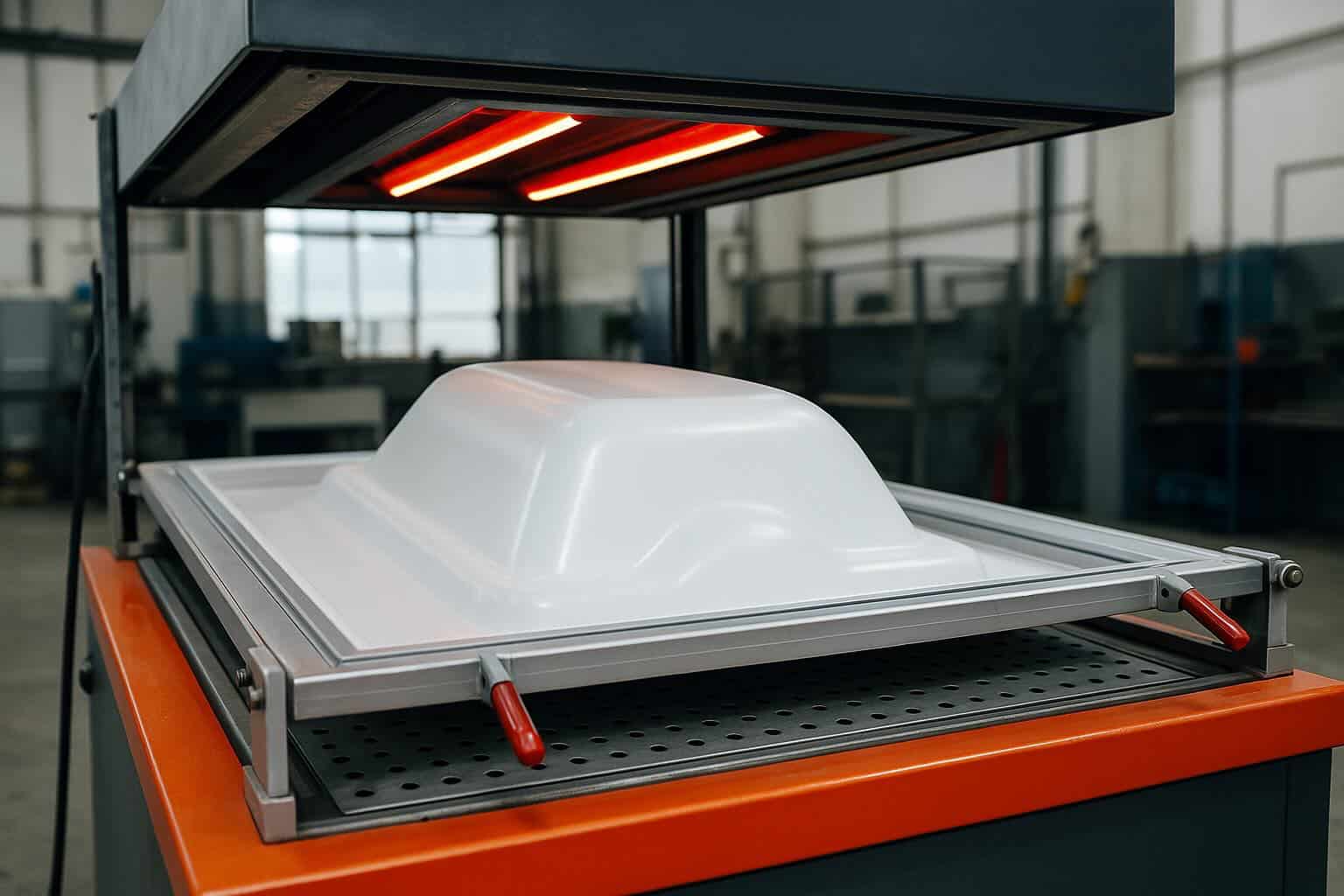
Thermoforming and vacuum forming might seem similar, but they have distinct qualities. Vacuum forming uses vacuum pressure to pull heated plastic over a mold. This creates detailed, lightweight, and durable parts. It’s ideal for medium to large components like machine guards, panels, and housings.
On the other hand, thermoforming involves heating plastic and shaping it over a mold, potentially using pressure. It’s versatile, suiting both small and large runs, and can handle more complex designs. Both methods offer unique benefits, depending on your project size and precision needs. For a deeper dive into these processes, check out this article.
When to Use Each Process
Deciding between thermoforming and vacuum forming depends on your project’s demands. Vacuum forming shines with simpler designs and larger parts. It’s cost-effective for high-volume needs, making it popular in industries like automotive and retail displays.
Thermoforming, meanwhile, excels in intricate designs, offering flexibility with materials and detailed finishes. It’s perfect for projects demanding precision, like medical devices or complex packaging. Assess your design complexity, budget, and volume to pick the right method.
Common Applications in Australia
In Australia, these forming techniques are widespread across industries. From POS displays in retail to intricate components for manufacturing, their uses are vast. Vacuum forming is often seen in signage and covers, while thermoforming is essential for custom enclosures and detailed parts in engineering.
Designing and Choosing Materials
Selecting the right design approach and materials is crucial for forming success. Here’s what you need to consider.
Key Design Considerations
Designing with forming in mind requires attention to detail. Consider the part’s function, size, and durability needs. Simple shapes are best for vacuum forming, while thermoforming can handle complex geometries. Think about draft angles, undercuts, and material thickness to ensure successful forming and ease of production.
Popular Material Options Explained
Material choice is pivotal in forming projects. ABS offers strength and impact resistance, perfect for automotive parts. Polycarbonate provides clarity and toughness, suited for protective covers. PETG is versatile, easy to form, and ideal for medical devices. HIPS sheet is great for cost-effective prototypes.
Each material brings unique properties: HDPE is robust for outdoor use, while acrylic gives clear, polished finishes. Choose based on your specific needs and project goals.
Thermoforming Tooling and Equipment
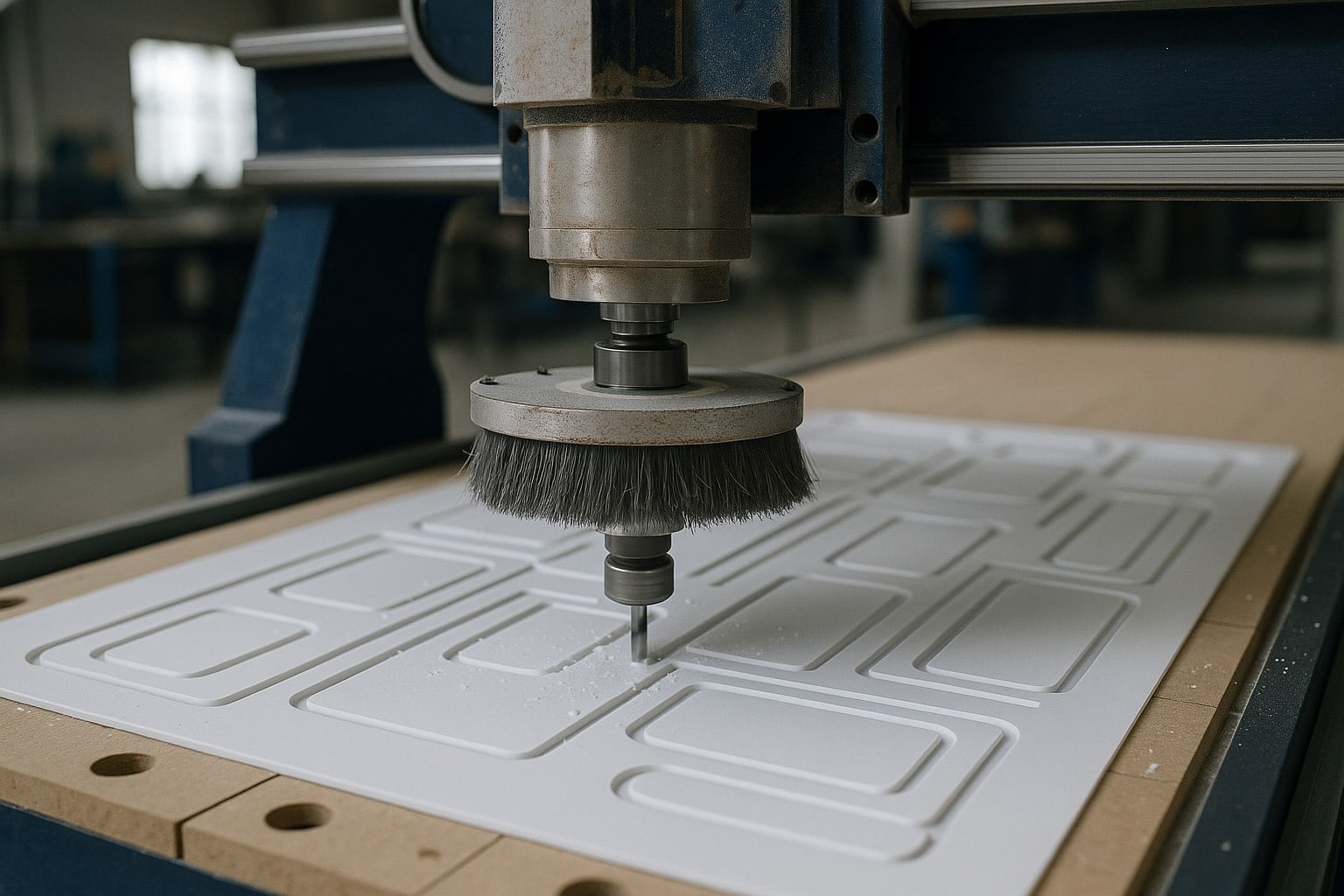
Having the right tools is essential for precision forming. Quality molds, accurate CNC trimming, and sophisticated machines ensure top-notch results. Investing in good equipment speeds up production and reduces errors. Whether you’re doing short run manufacturing or large-scale production, efficient tooling is key to delivering consistent quality.
Delivering Quality with Plastic Online
Getting your formed plastic components on time and to spec doesn’t have to be a hassle. Here’s how Plastic Online makes it happen.
Fast Quotes and Reliable Lead Times
Time is money, especially in trade and manufacturing. With Plastic Online, you get quick quotes and dependable lead times, so your projects stay on track. No more waiting around for quotes or worrying about delivery delays. We streamline the process for a seamless experience.
Comprehensive Services and Capabilities
From design to production, we offer a wide range of services. Whether you need CNC trimming for precise edges or custom plastic parts for unique applications, we’ve got you covered. Our capabilities extend to various industries, ensuring your specific needs are met.
Trusted Australian Plastic Supplier
Choosing a reliable supplier like Plastic Online means peace of mind. Our local manufacturing ensures quality and quick turnaround, giving you the confidence that your orders are in good hands. As an Australian plastic supplier, we pride ourselves on being dependable partners for your projects, big or small.
In summary, understanding the nuances of thermoforming and vacuum forming can significantly impact your project’s success. By aligning your design, material choices, and supplier, you ensure quality outcomes every time.
See why our precise cutting and local manufacturing stand apart