
Plastic fabrication in Australia isn’t one-size-fits-all. Whether you’re cutting acrylic on a CNC laser or shaping ABS through thermoforming, each method has its quirks and best uses. This guide breaks down the main fabrication techniques, material choices, typical finishes, and lead times—so you can brief jobs right the first time and avoid costly delays. Ready to make your next plastic project run smoothly? Check out the full guide here.
Key Plastic Fabrication Methods
Navigating the world of plastic fabrication can feel like a maze. But once you grasp the basics of each method, it becomes a roadmap to success.
CNC Laser Cutting Acrylic
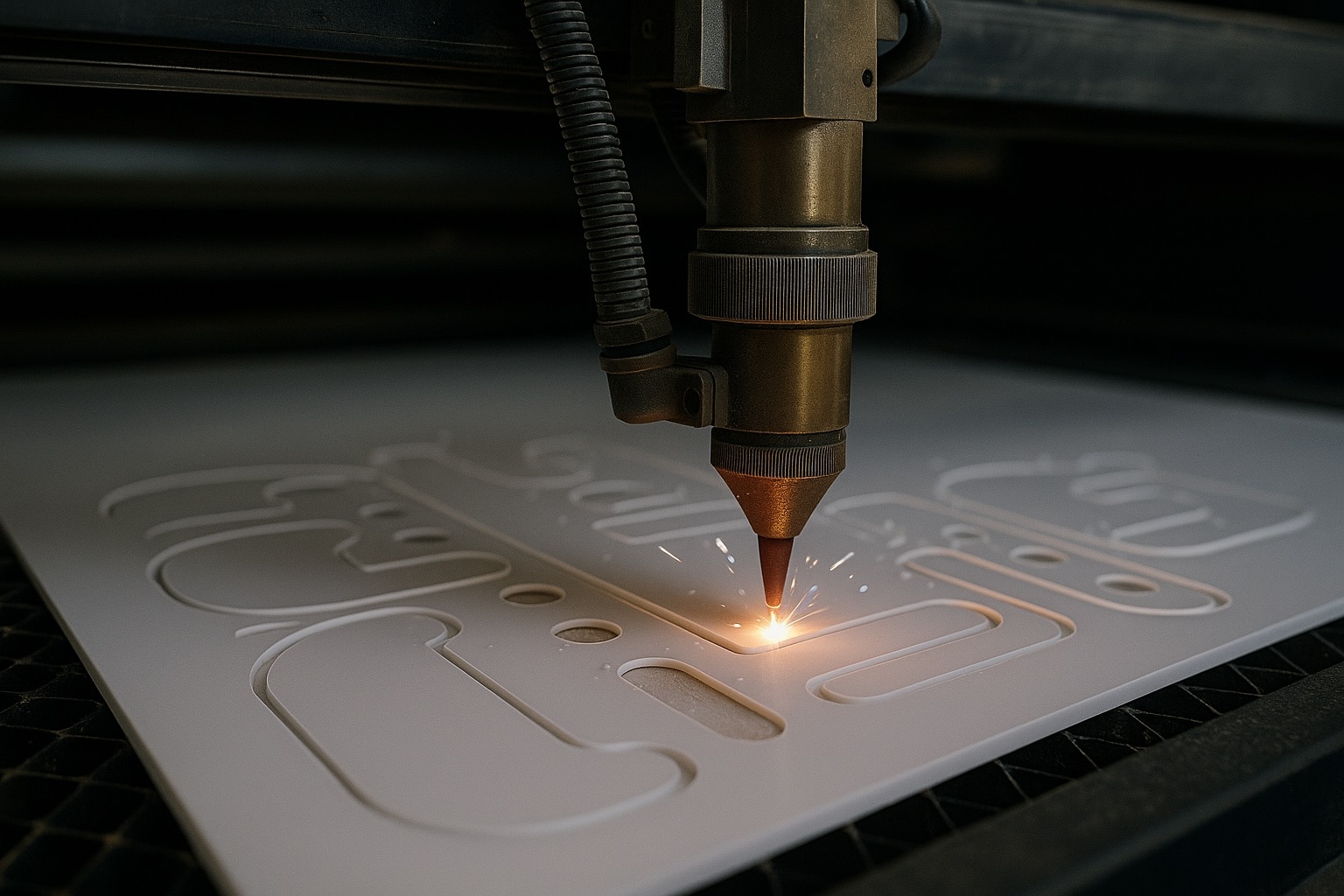
CNC laser cutting is the go-to for precision. It’s like having a scalpel for your plastic projects. With this method, you can achieve polished edges and intricate details without the need for post-processing. The key is its ability to produce consistent results every time. This makes it perfect for producing detailed signage or components that require a high degree of accuracy.
Even if you’re not an expert, uploading a DXF file can get you started quickly. This digital blueprint guides the laser, ensuring every cut matches your design. The result? A flawless finish that impresses both you and your clients. Want to see it in action? Watch this video.
CNC Routing Plastics Explained
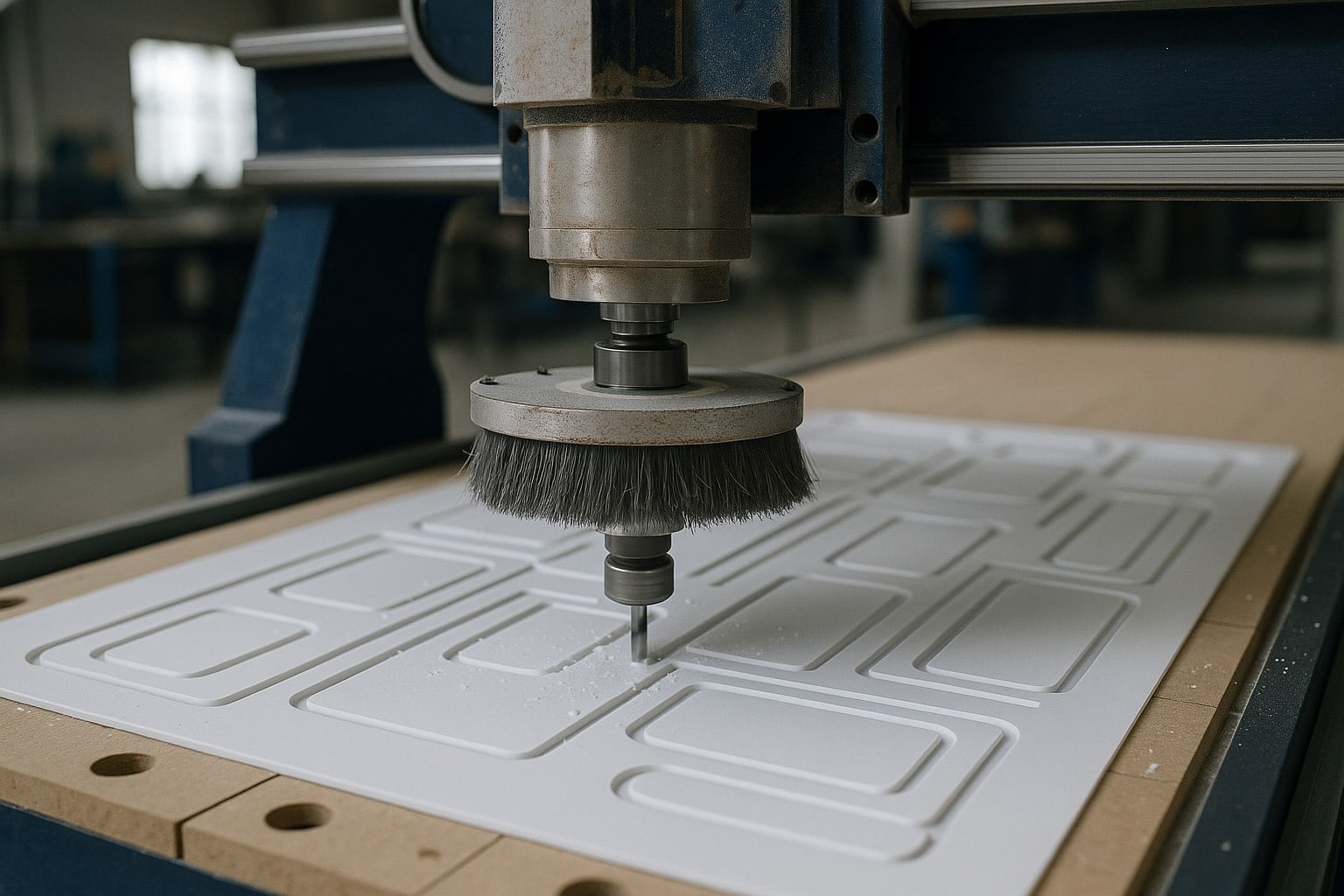
CNC routing is the heavyweight champ for thicker materials. When you need strength and precision, this method delivers. Ideal for materials like polycarbonate and PVC, it handles complex shapes with ease.
Think of CNC routing as a sculptor’s chisel, carving out your vision piece by piece. The machine’s high-speed rotation ensures smooth edges and accurate cuts. Plus, it’s capable of creating slots, holes, and recesses, making it versatile for different projects. Whether you’re crafting machine guards or custom panels, CNC routing offers the strength you need. For more on CNC routing and its capabilities, check out this guide.
Water Jet Cutting Plastics
Need something cooler and cleaner? Enter water jet cutting. This method uses high-pressure water to slice through materials, making it ideal for heat-sensitive plastics.
Water jet cutting is perfect when you need to avoid the heat that can warp or discolour materials. It works well on a variety of plastics, offering smooth, burr-free edges. This technique is also environmentally friendly since it doesn’t produce harmful fumes or waste. It’s no wonder many industries are adopting it for precision and sustainability. Learn more about its benefits in this comprehensive resource.
Choosing the Right Materials
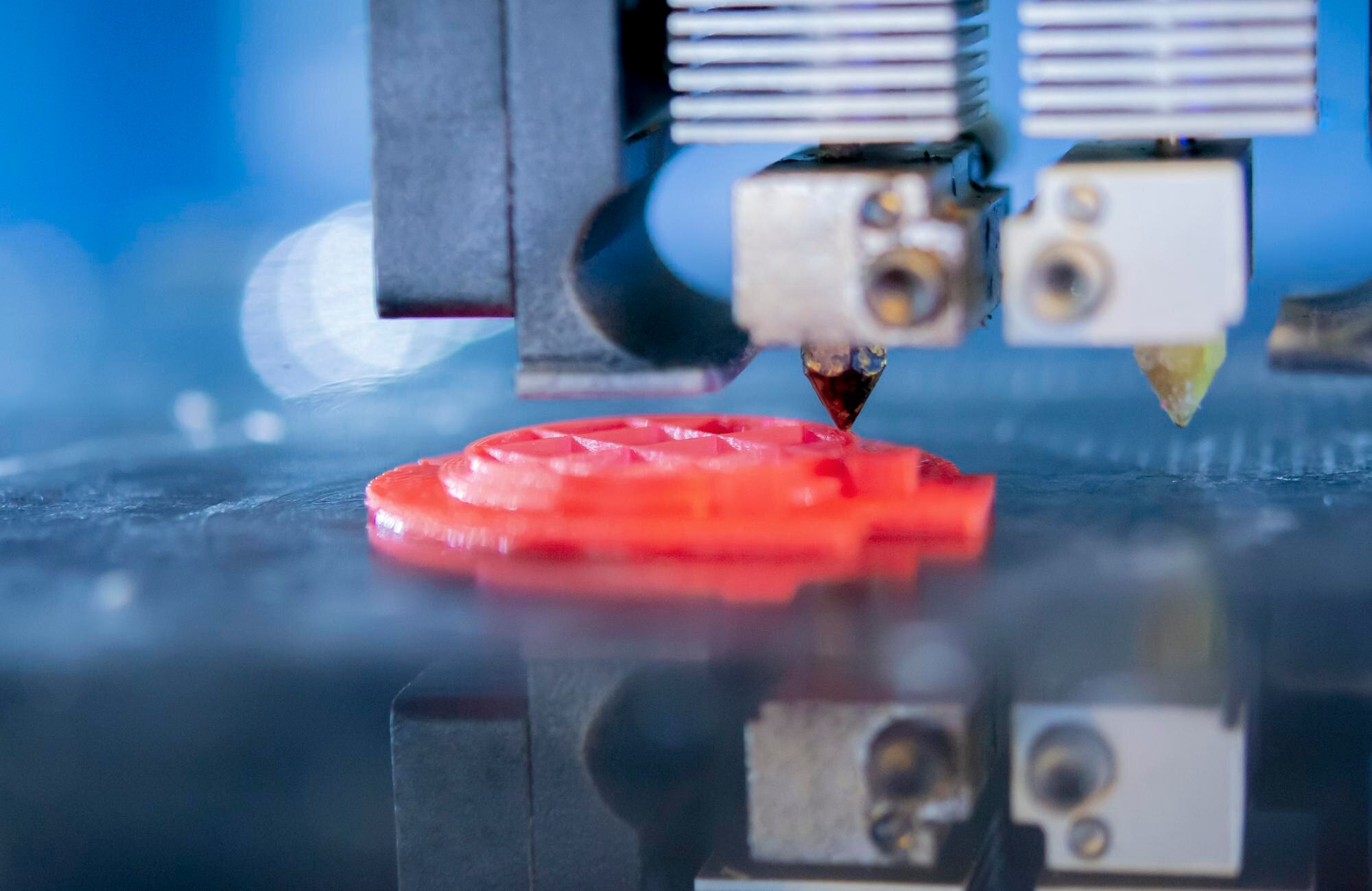
Choosing the right material is just as crucial as the method. It impacts the durability, appearance, and overall success of your project.
Acrylic vs Polycarbonate
Acrylic and polycarbonate are popular choices, but they serve different purposes. Acrylic is known for its clarity and shininess, making it ideal for displays and signs. It’s like the glass of the plastic world but without the fragility.
Polycarbonate, on the other hand, offers strength and impact resistance. Think of it as the tough cousin of acrylic. It’s perfect for applications where durability is crucial, such as safety shields or machine guards. Knowing when to use each can save you time and money on replacements and repairs.
Engineering Plastics Machining
When projects demand more than aesthetics, engineering plastics step in. These materials, like PEEK and PTFE, excel in high-performance environments. They can handle heat, friction, and chemicals better than standard plastics.
Machining these plastics requires precision. The right tools and techniques ensure that the properties of the material are preserved. Whether you’re working on mechanical parts or industrial components, engineering plastics offer reliability and longevity.
Thermoforming ABS
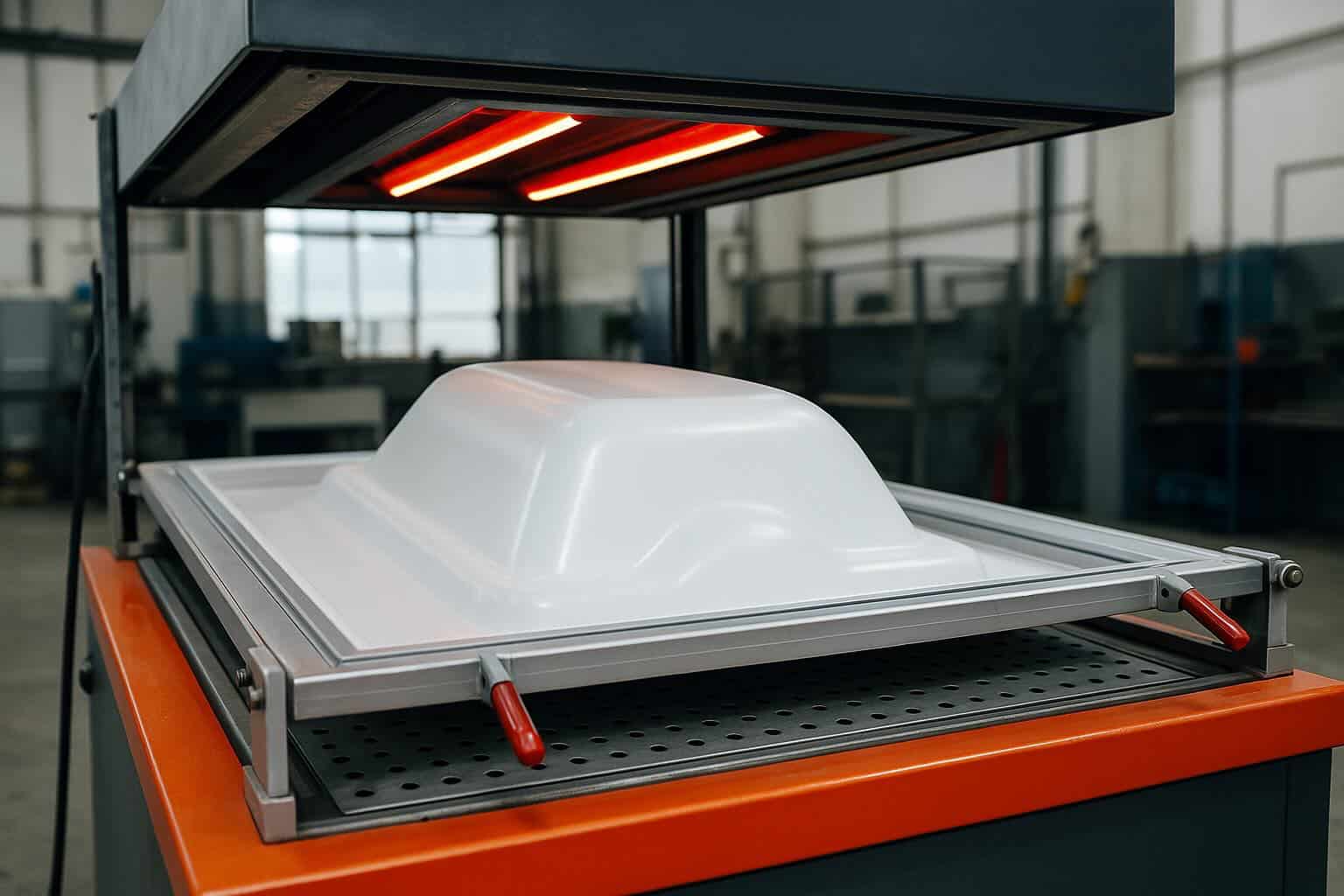
Thermoforming ABS is all about shaping and forming. This process heats the plastic until it’s pliable, then molds it into the desired shape. It’s a flexible method that’s great for creating complex or large parts.
From automotive panels to custom housings, ABS is tough yet versatile. Its lightweight nature makes it easy to work with, while its strength ensures it stands up to everyday wear and tear. If you’re considering thermoforming for your next project, understanding the nuances of ABS can be a game-changer. For a deeper dive into thermoforming techniques, this article is a must-read here.
Practical Tips for Trade Professionals
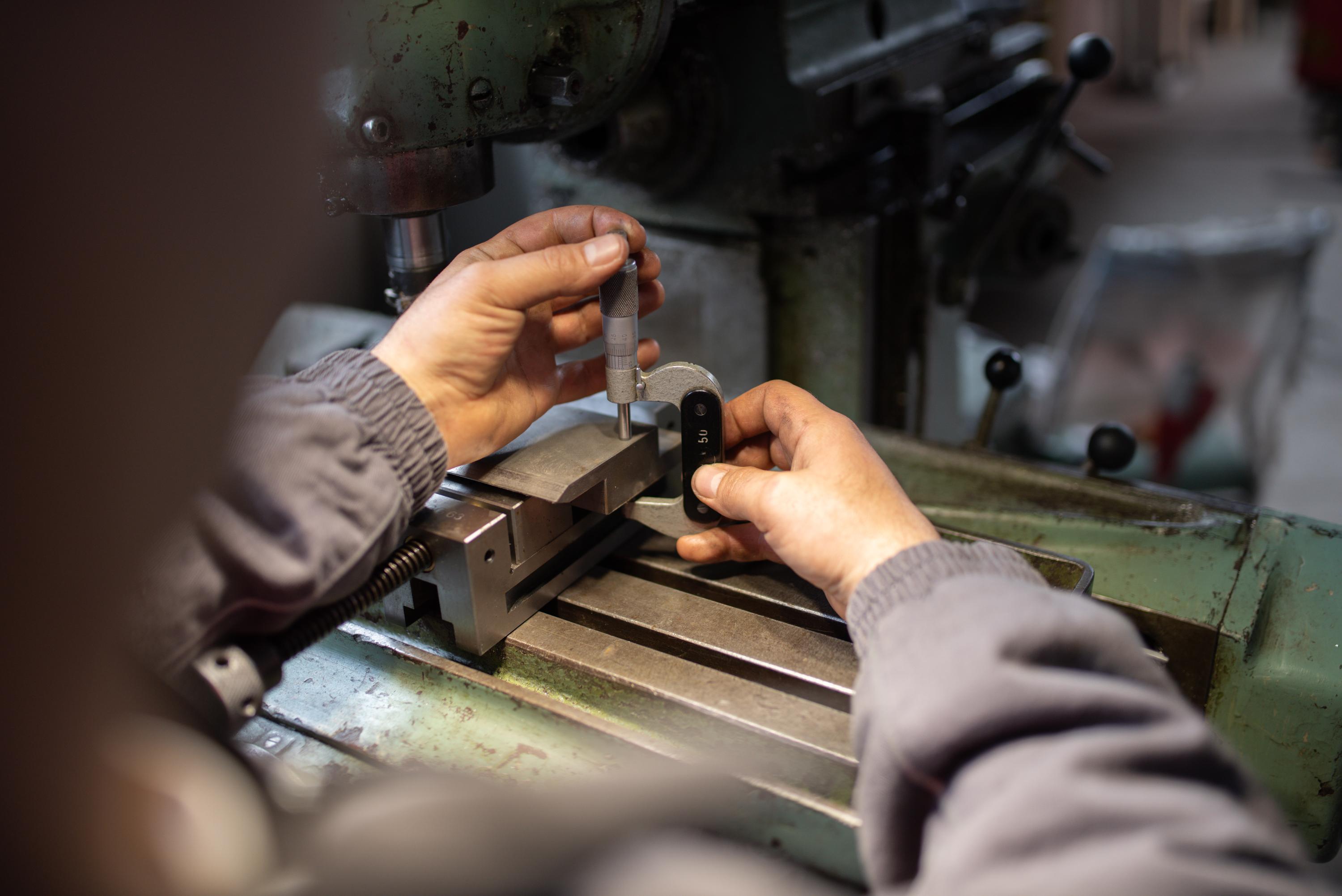
To achieve the best results, it’s essential to understand the practical side of plastic fabrication. Here are some tips to keep your projects running smoothly.
Upload DXF for Laser Cutting
When it comes to laser cutting, providing a DXF file is your best bet. This format is widely accepted and ensures that your designs are executed with precision.
Preparing a DXF file is simple: just save your design in this format, and you’re good to go. This ensures that the laser cutter reads your design accurately, reducing errors and saving time. Remember, a clear design leads to a flawless product.
Understanding Tolerances and Finishes
Tolerances and finishes are crucial for quality control. Knowing the acceptable range for deviations ensures your parts fit perfectly without costly adjustments.
Finishes matter too. Whether you need a polished edge or a matte surface, specifying the right finish can enhance the functionality and appearance of your product. It’s the small details that make a big difference in the final outcome.
Quick Turnaround Plastics on the Gold Coast
Need plastics fast? The Gold Coast is a hub for quick turnaround plastics, thanks to local suppliers who understand the urgency of your projects.
Having a reliable supplier means you can expect consistent quality and timely deliveries. This is crucial for keeping your projects on schedule and avoiding costly delays. When time is of the essence, trust local expertise to get the job done right.
In conclusion, understanding the nuances of different plastic fabrication methods and materials can streamline your projects and lead to better results. Whether you’re a seasoned professional or a DIY enthusiast, these insights provide a solid foundation for your plastic projects.
See why our precise cutting and local manufacturing stand apart