
Tailored Cut‑to‑Size Plastic Solutions: What Every Trade Professional Must Know
Cut to size plastic isn’t just about slicing sheets to fit. Getting the right material, thickness, edge finish, and fabrication method can make or break your project. Whether you’re after acrylic sheet cut to size or polycarbonate sheet cut to size, knowing what to specify saves time and cuts waste. In this guide, you’ll learn everything trade professionals need to order plastics that fit perfectly and last longer. For more information, visit Plastic Depot for Cut-to-Size.
Understanding Material Selection
Choosing the perfect material marks the first step in crafting your project. With various options available, selecting the right one ensures durability and functionality.
Choosing the Right Plastic for Your Project
When starting a project, picking the best plastic can be daunting. Each material offers unique traits suited to specific tasks. For instance, acrylic is light and clear, ideal for display cases and signs. On the other hand, polycarbonate is strong and impact-resistant, making it great for protective barriers. Your choice should depend on where and how the material will be used, so think about the environment and demands of the task.
Reviewing past projects can offer valuable insights. For example, a builder working on a greenhouse might opt for polycarbonate due to its toughness. Most people might lean towards the cheapest option, but investing in the right material saves money in the long run. Rely on trusted suppliers, such as those found at Canal Plastics, to ensure you get quality materials.
Acrylic vs. Polycarbonate: Key Differences
Acrylic and polycarbonate often compete for the spotlight in many projects. While they appear similar, their differences can be pivotal. Acrylic is known for its optical clarity, making it perfect for displays. It’s also scratch-resistant, maintaining its look over time. Polycarbonate, though slightly less clear, offers unmatched strength. It resists shattering and can handle high-impact situations, which is crucial in safety applications.
Here’s what you might not know: acrylic can be polished to a crystal-clear finish, while polycarbonate generally cannot. The longer you wait to choose, the more you might miss out on these benefits. For more, explore the comparison at Polymershapes.
Importance of UV and Fire Resistance
UV and fire resistance are no longer optional for many projects. With Australia’s harsh sun, UV protection ensures longevity for outdoor installations. Materials that resist UV damage maintain their integrity and appearance over time, crucial for long-term outdoor projects. Fire resistance, meanwhile, enhances safety, especially in public spaces.
Incorporating these features can significantly extend a product’s lifespan. A quick example: commercial signage exposed to sunlight benefits greatly from UV-resistant materials. It’s a small step that leads to lasting results. Understanding these features ensures you get the most from your plastics, making your investment worthwhile.
Precision Cutting and Finishing
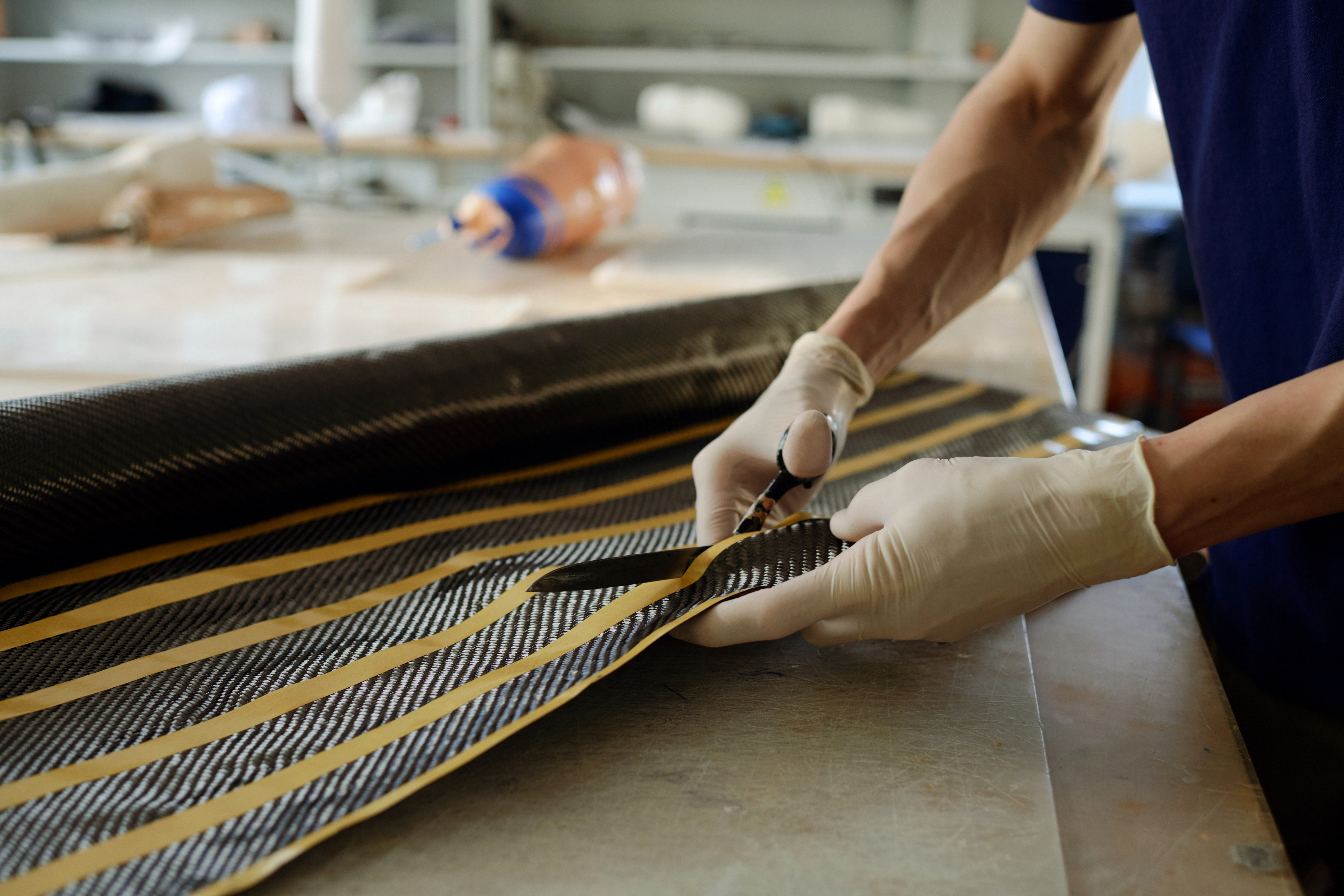
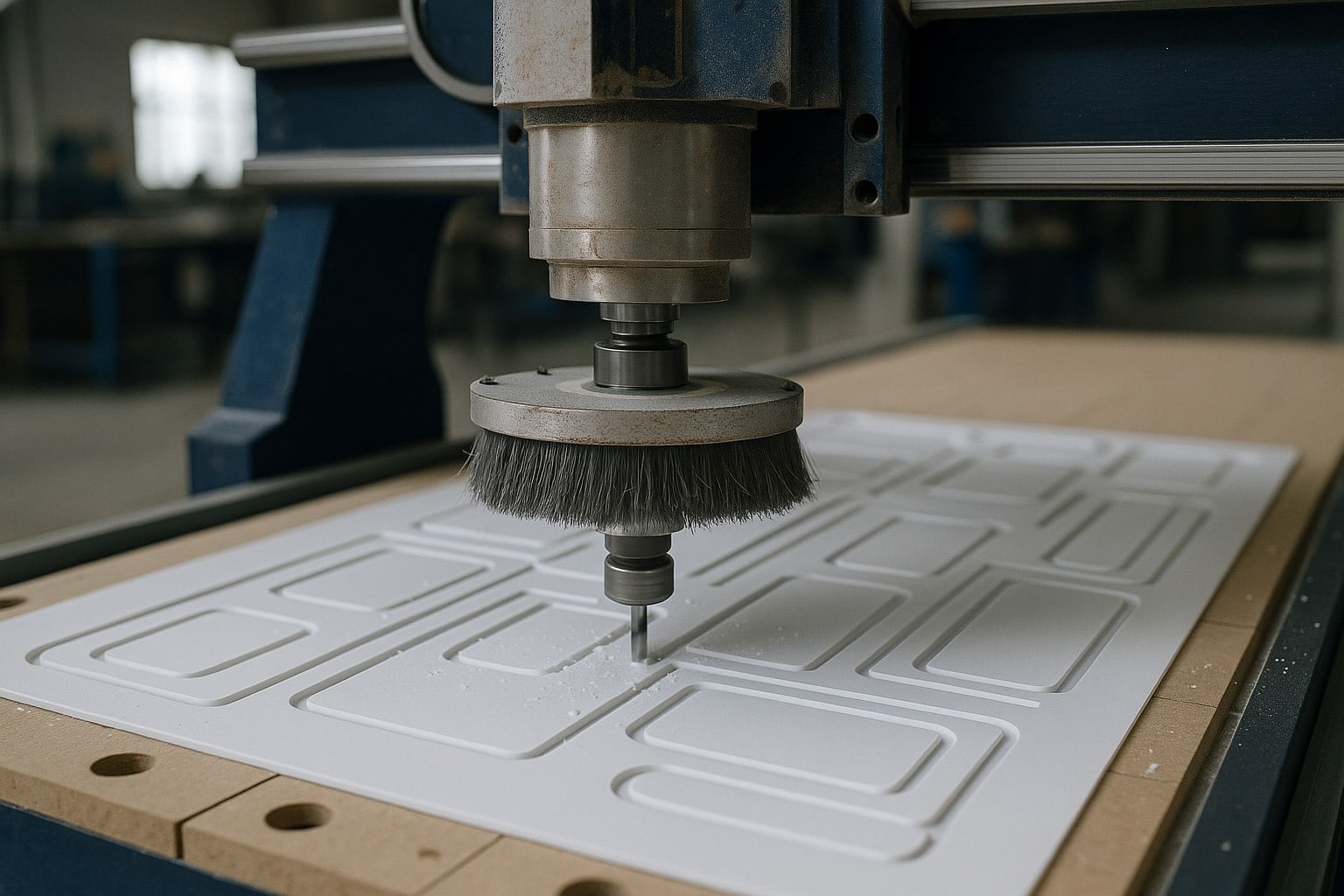
Once your material is selected, precision cutting and finishing become vital steps. These processes refine the material, ensuring it fits your project perfectly.
CNC Laser Cutting Plastics Explained
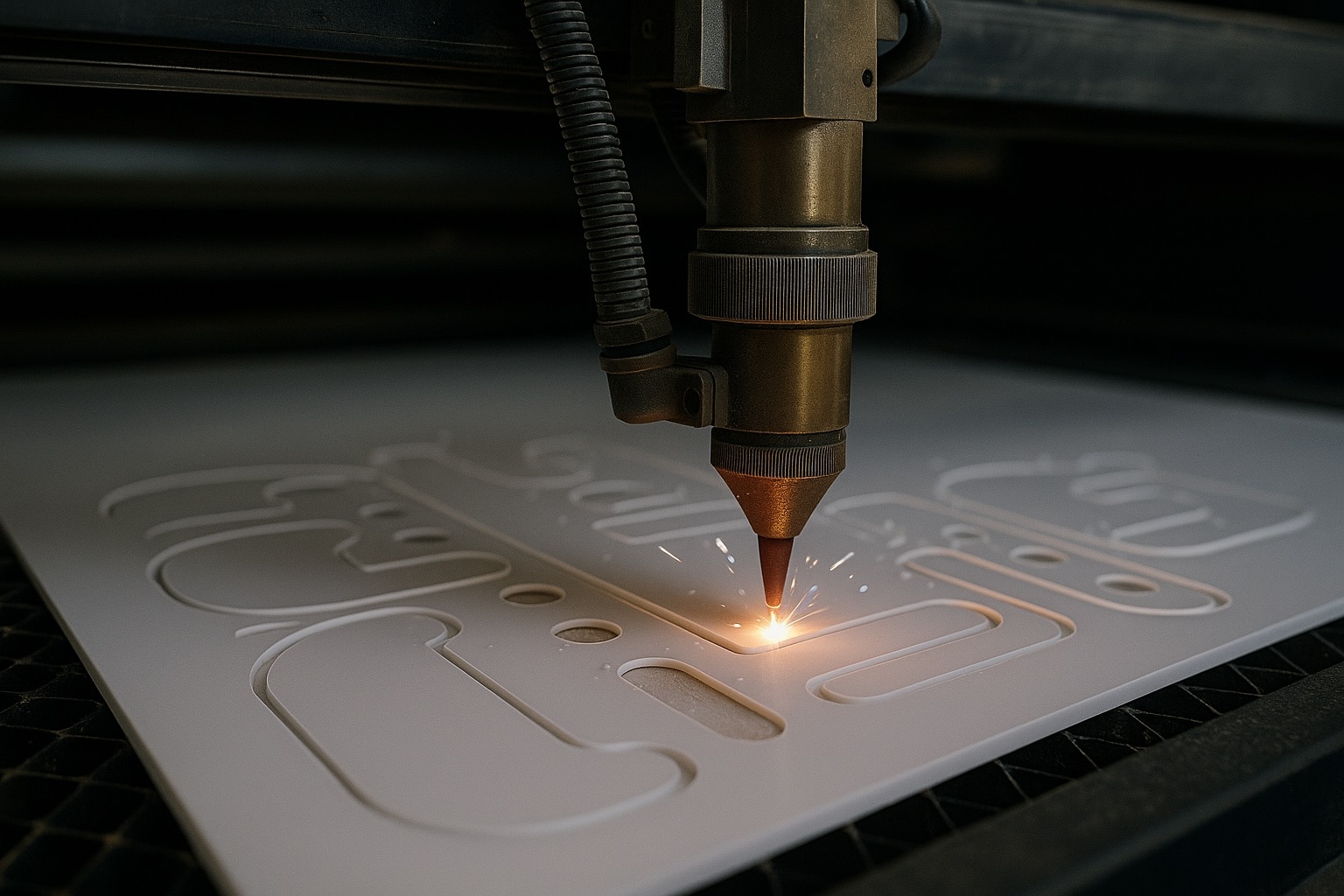
CNC laser cutting stands out for its precision and efficiency. This technique uses a laser to cut materials with unmatched accuracy. Whether you’re working on complex shapes or intricate designs, CNC laser cutting delivers sharp results. The process is quick, reducing project timelines and minimising waste.
Think of CNC as the craftsman’s dream: achieving exact cuts with minimal effort. It’s a game-changer for trade professionals who demand precision. Tap into this technology to enhance your project outcomes. To see how it’s done, visit Sur-Seal Plastic Services.
Edge Finishes: Saw-Cut to Diamond-Polished
The edge finish is the final touch, impacting both aesthetics and functionality. Saw-cut edges provide a straightforward, rugged look, ideal for projects where function is key. Conversely, diamond-polished edges offer a smooth, clear finish, perfect for showcases and displays. Selecting the right finish determines the project’s final appearance and feel.
Many might overlook edge finishes, but they define the project’s style. Choose your finish wisely, and let it complement the overall design. Whether you aim for a sleek or sturdy look, each finish adds unique value.
Tolerances and Their Impact on Quality
Tolerances refer to the acceptable variations in dimensions, crucial for ensuring parts fit together seamlessly. Tight tolerances mean parts fit perfectly, which is essential for precision projects. Variations can lead to gaps or misalignments, affecting the quality and function of the final product.
Imagine assembling a display case where pieces don’t align due to loose tolerances. An oversight here can lead to costly adjustments. By understanding tolerances, you ensure every part fits as intended, maintaining project quality.
Installation and Fabrication Tips

A well-prepared installation and fabrication process ensures the project comes together smoothly. These steps are where everything falls into place.
Effective Installation Techniques for Plastic Sheets
Installing plastic sheets might seem straightforward, but the right technique is crucial. Start by cleaning the surface to ensure proper adhesion. Use spacers to maintain even gaps and prevent warping. Secure edges with appropriate fasteners, ensuring stability. Proper installation prevents issues down the line, saving time and resources.
Most people think they can skip these details, but meticulous preparation makes all the difference. Remember, every detail counts when ensuring a clean finish.
Fabrication Options: From Vacuum Forming to Water Jet Cutting
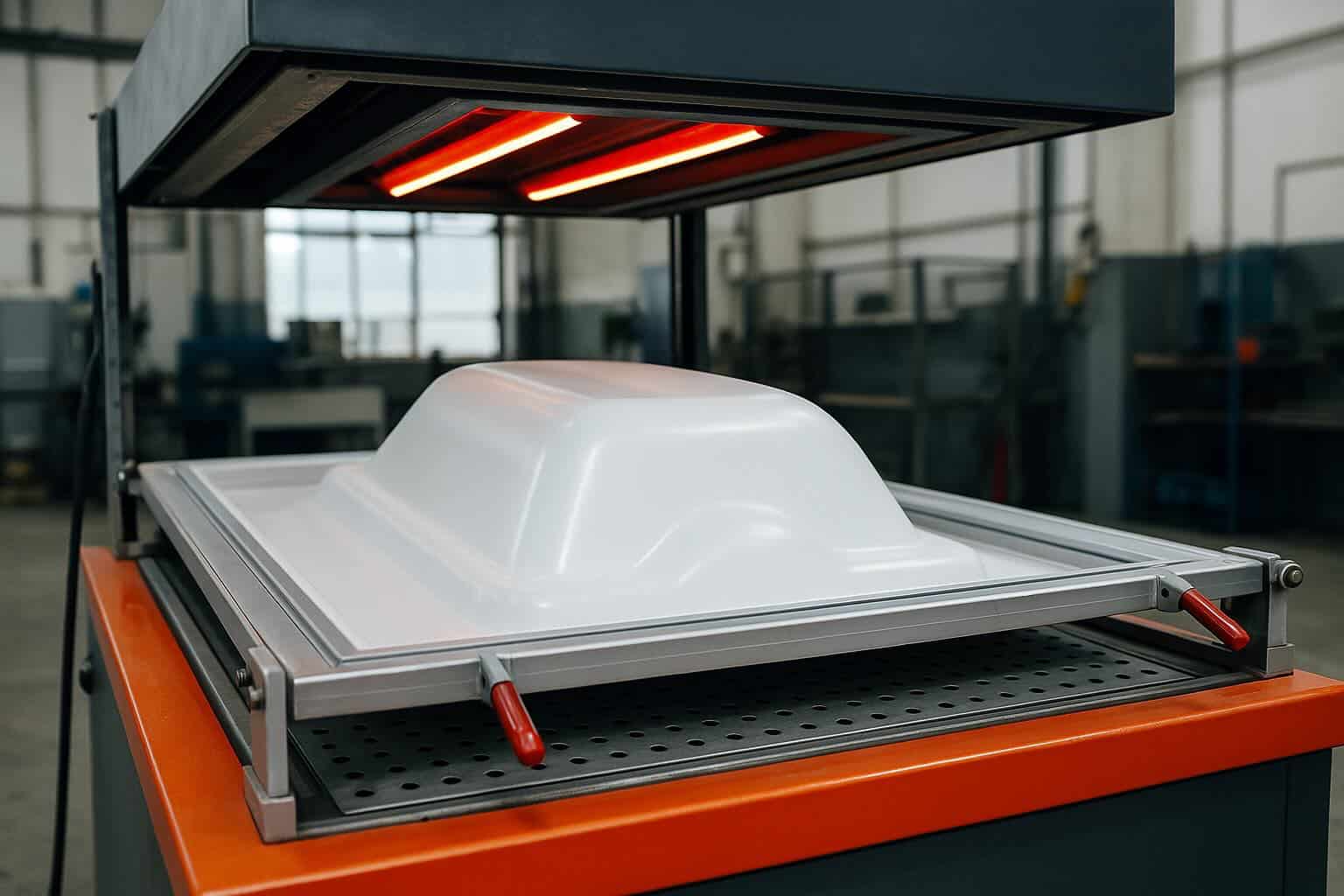
Fabrication options like vacuum forming and water jet cutting offer flexibility. Vacuum forming shapes plastics into detailed forms, perfect for custom components. Water jet cutting, on the other hand, uses high-pressure water to slice through materials precisely. This method is ideal for intricate designs and complex parts, ensuring clean cuts without heat distortion.
These techniques unlock endless possibilities for project customisation. Investing in advanced methods leads to superior results, enhancing your project’s overall quality.
Working with a Reliable Plastic Fabrication Partner
Choosing the right fabrication partner is key to project success. A reliable partner provides expert advice and ensures quality at every step. Look for partners with a proven track record, such as those at Tap Plastics. Their expertise and equipment can make your vision a reality, transforming ideas into tangible outcomes.
Having a dependable partner gives you peace of mind, knowing your project is in capable hands. Choose wisely, and let your partner guide you to success.
By understanding materials and leveraging the right techniques, you ensure your projects meet the highest standards. Prioritise quality and precision, and you’ll achieve remarkable results every time.
Get precision-cut plastics tailored for your project’s success