
How to Evaluate Plastic Quality for Cost‑Effective Project Outcomes
Choosing the wrong plastic material can blow your budget and stall your project. Many Aussies waste time and money fixing issues caused by poor material choices or inconsistent quality. This plastic quality guide will show you how to pick the right plastic first time, cutting costs and avoiding rework. Stick around to learn practical tips and expert advice that make your project run smoother from start to finish.
Evaluating Plastic Quality

Selecting the right plastic is a game changer. It means fewer headaches and less money wasted. Your choice affects durability, appearance, and cost. With the right approach, you can make smart decisions every time.
Key Factors in Plastic Selection
Start by thinking about your project’s needs. Do you need something sturdy or just eye-catching? Durability, cost, and application are crucial. For example, if you’re building an outdoor sign, you’ll need a material that withstands the elements. On the other hand, for indoor decorations, clarity might be your top priority.
Keep your project’s environment in mind. Will the material face heat, sunlight, or chemicals? These factors make a big difference. Many Australian builders prefer polycarbonate sheet UV stabilised for outdoor projects because it resists sunlight damage. By focusing on these factors, you can choose the best material for any job.
Plastic Quality Testing Methods
Testing is vital. It ensures your material meets your expectations. Impact resistance tests check how much force your plastic can take before it breaks. Clarity tests measure how see-through the material is, important for displays or windows.
Don’t forget about fire safety. Some plastics resist flames better than others. Make sure your choice aligns with safety standards. For detailed testing methods, check this scholarly article on various testing practices. Testing gives you confidence that your plastic will perform as needed.
Understanding AS/NZS Standards
Following standards is essential in Australia. The AS/NZS standards ensure quality and safety. They cover everything from thickness to UV resistance. When a plastic meets these standards, you know it’s reliable.
These standards aren’t just guidelines; they’re safety nets. They help avoid costly mistakes and ensure you get what you pay for. To read more about these standards, check this informative source. With standards in mind, you can choose materials that are both safe and effective.
Cost-Effective Material Choices

Selecting the best material doesn’t mean choosing the cheapest. It means finding the right balance between cost and quality. This section highlights how to make smart material choices without breaking the bank.
Comparing Impact Resistance vs Clarity
Impact resistance and clarity often compete for priority. If you need strength, consider HDPE sheet food-grade. It’s tough and doesn’t break easily. But if you need something that looks good, like acrylic sheet Australia, focus on clarity. Acrylic offers a clear, glass-like appearance.
ABS plastic sheet is a middle ground. It offers decent impact resistance and moderate clarity. Most people think you have to choose one over the other, but with the right product, you can have both. Knowing your project’s precise needs helps you balance these factors effectively.
Weather and UV Resistance in Plastics
Outdoor projects demand materials that can handle the sun and rain. Polycarbonate sheet UV stabilised is excellent for outdoor signs. It doesn’t yellow or become brittle over time. If you’re building a greenhouse, this is a smart choice.
Weather resistance isn’t just about durability. It’s also about maintaining appearance. A sun-damaged sign can send the wrong message to your audience. By picking the right material, you not only protect your investment but also ensure it looks good for years.
Selecting the Right Thickness Tolerance
Thickness tolerance affects strength and cost. Thicker materials are stronger but can be pricier. For projects like flooring, where durability is key, choosing a thicker PVC foam board can be beneficial. But for decorative pieces, a thinner sheet might suffice.
Consider the load your material will bear. For heavy-duty projects, like industrial flooring, more thickness is essential. This study explains how thickness impacts material performance. By understanding this, you can make informed choices that fit your budget and needs.
Custom Plastic Fabrication Services

Using the right fabrication service enhances your project’s potential. Custom services mean tailored solutions, perfect for specific needs. Learn about options that can elevate your project from standard to exceptional.
Benefits of CNC Laser and Water Jet Cutting
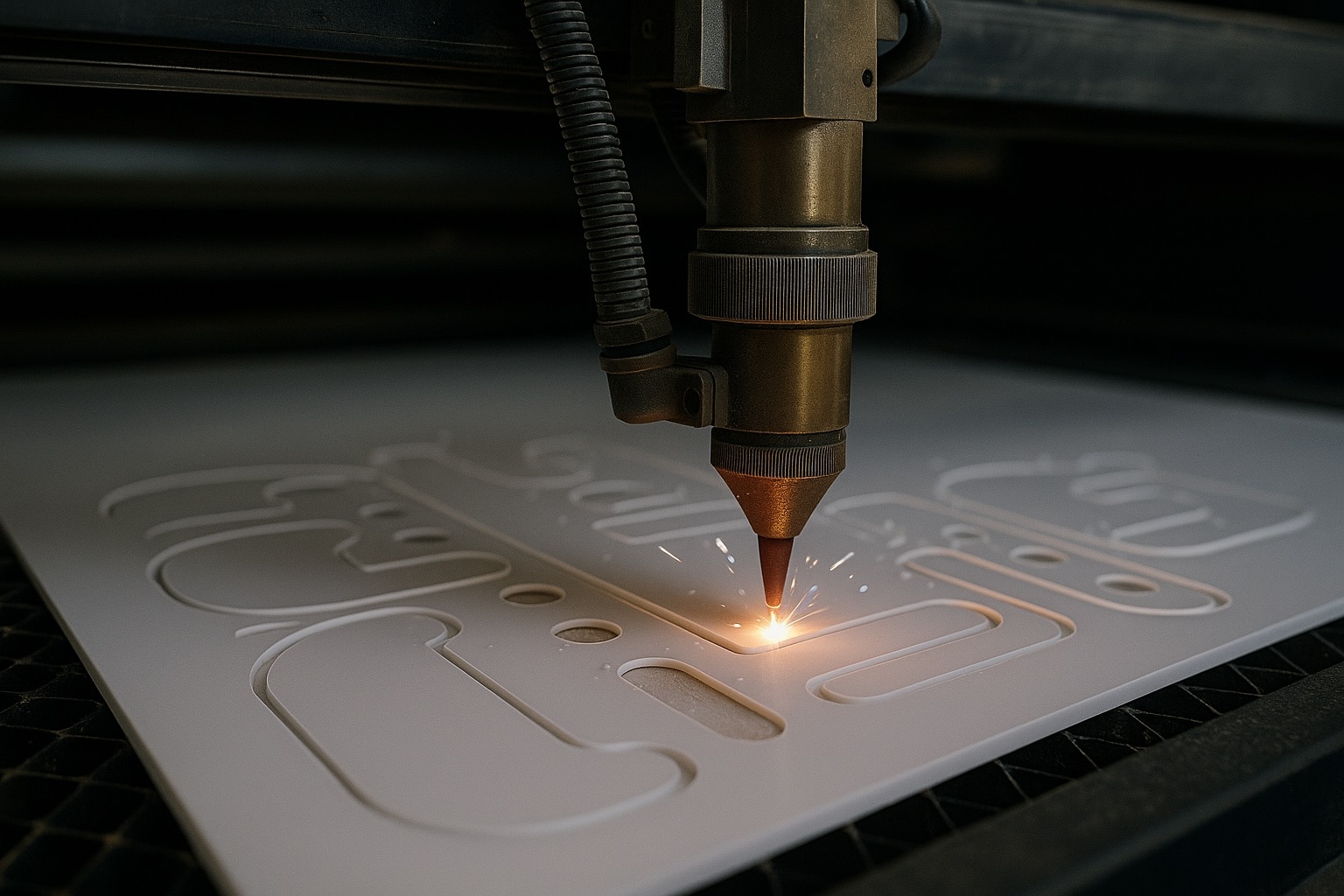
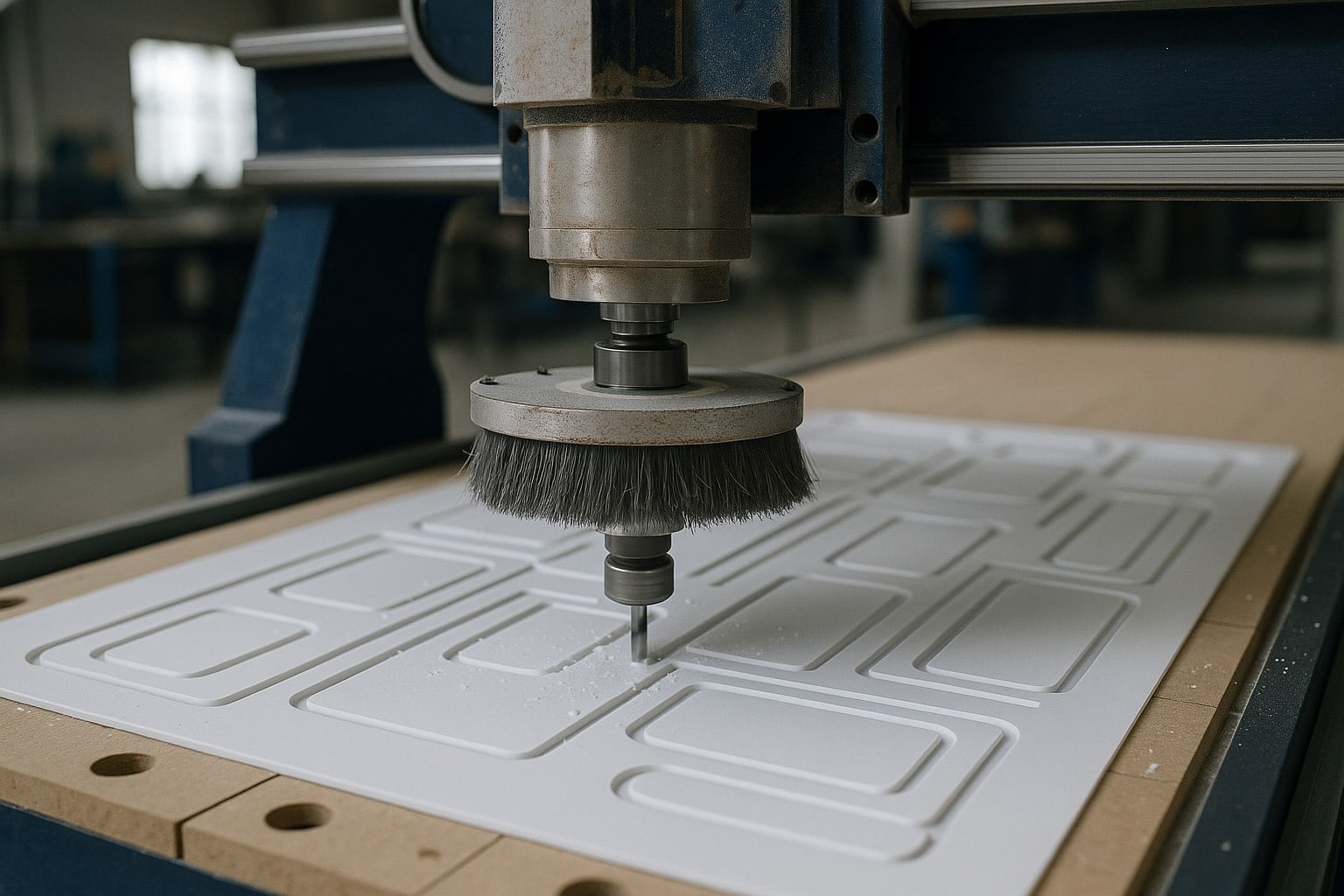
Precision is key in many projects. CNC laser cutting plastics offers that level of accuracy. It’s perfect for intricate designs where detail matters. Meanwhile, CNC water jet cutting plastics handles thicker materials with ease. It slices through tough sheets without compromising quality.
These techniques aren’t just for professionals. Even DIY enthusiasts can benefit from such precision. Imagine creating a custom acrylic sign for your shop. With these services, your vision comes to life with flawless detail.
Vacuum Forming for Australian Projects
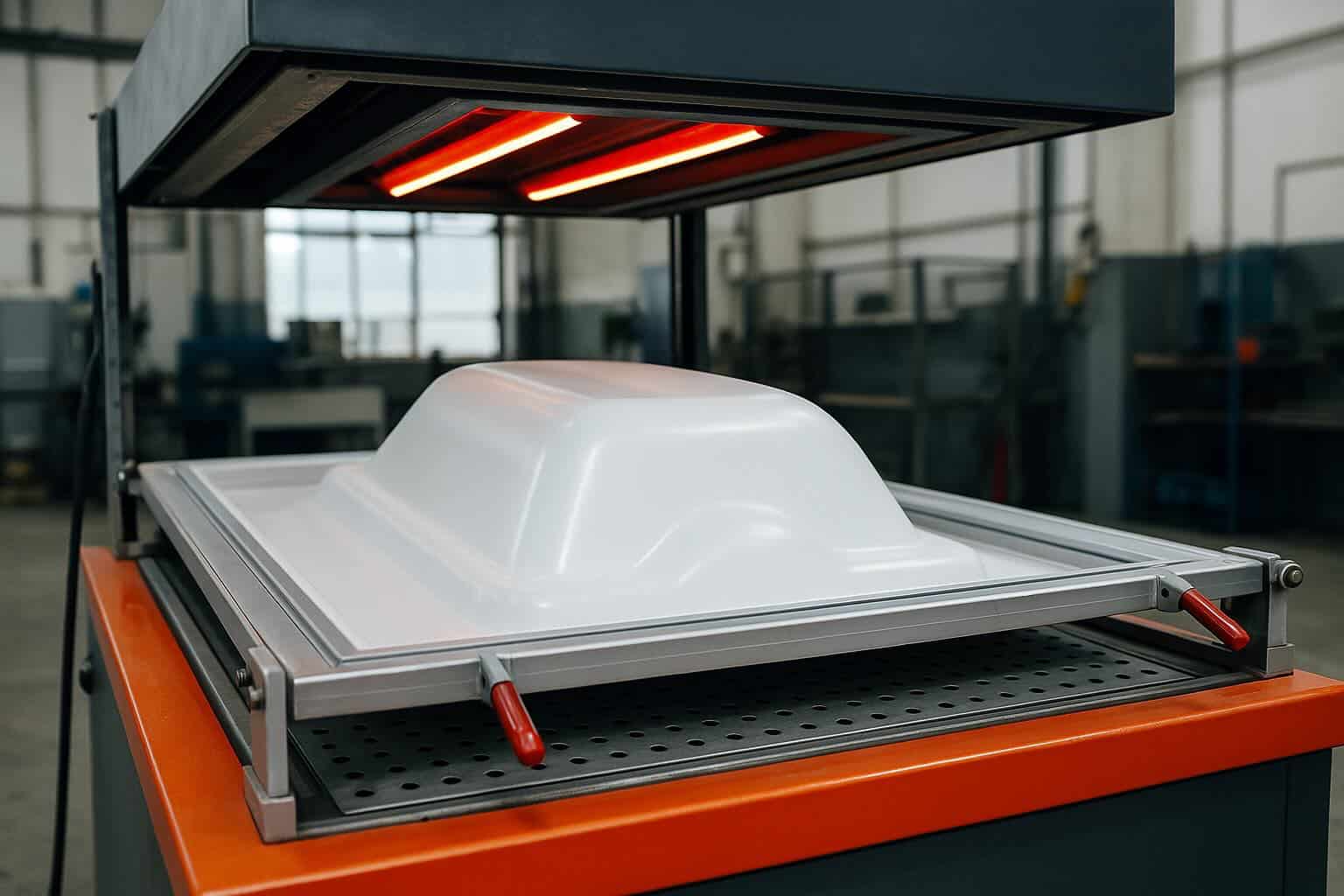
Vacuum forming Australia offers versatility. It’s ideal for creating complex shapes, like car parts or packaging. This method is cost-effective for larger runs and offers a smooth, professional finish.
Think of it as crafting a custom mould for your project. With vacuum forming, you can turn simple sheets into detailed forms. This method is especially useful for large-scale productions, making it an excellent choice for businesses.
Navigating Plastic Fabrication Services
Finding the right service provider can be daunting. You need a partner who understands your needs and delivers quality. Plastic fabrication services vary, so it’s important to choose one that aligns with your project.
Consider local providers for quicker turnaround and support. Working with Australian made plastic fabrication ensures you get consistent quality and support. By selecting a reliable service, you avoid delays and get your project done right the first time.
In conclusion, choosing the right plastic and fabrication service can save time, money, and effort. With the tips in this guide, you’re ready to make informed decisions that lead to successful project outcomes. Remember, the right plastic choice today can prevent headaches tomorrow. Happy building!
Protect your projects by choosing quality plastics and precise cuts