
Winter project planning can turn tricky when the wrong materials arrive late or measurements fall short. You don’t have time for delays or back-and-forth on orders. Knowing exactly what to order, what to measure, and what to avoid keeps your job on track through the colder months. This guide breaks down the essentials for smooth winter projects with cut-to-size plastic from a plastic supplier Australia trusts. For additional tips on planning fun activities for winter, visit this link.
Ordering the Right Materials
Choosing the right materials is crucial as winter approaches. You need to make sure your orders are accurate and timely. Mistakes can slow down your project significantly. Let’s dive into how to make the best choices for your needs.
Choosing the Best Plastic Type
Selecting the right plastic can make or break your project. The type of plastic you need depends on your project’s requirements. For instance, acrylic sheets cut to size are great for clarity and durability. Meanwhile, HDPE sheets offer toughness and chemical resistance, ideal for structural applications. Consider your project’s environment and load requirements when choosing. Don’t hesitate to consult with your supplier for the best recommendations.
Timing Your Orders for Efficiency
Timing is vital when it comes to ordering materials. Place your orders well in advance to avoid delays. Winter weather can impact delivery schedules, so plan for potential disruptions. An early order ensures you have what’s needed before starting. Aim to order at least four weeks prior to your project start date. This timing helps to accommodate any unexpected issues that may arise.
Avoiding Common Material Mistakes
Avoiding mistakes in ordering can save you time and money. Ensure you double-check your specifications before finalising any order. Common errors like incorrect sizes or types can lead to wasted resources. Familiarise yourself with the different materials available, such as polycarbonate sheets in Australia. If unsure, seek guidance. Suppliers are there to help ensure you have the correct materials for your needs.
Capturing Critical Measurements

Accurate measurements are foundational to any successful project. Without them, even the best materials won’t fit or function as needed. Here’s how to capture those critical measurements correctly.
Essential Measurements for Accuracy
Start by identifying all the dimensions you need. For plastic projects, this can include length, width, and thickness. Precise measurements ensure components fit together perfectly. Use trusted tools and techniques to avoid errors. Double-check all measurements to confirm they’re correct. This step prevents costly reorders or adjustments later.
Tools to Ensure Precision
Using the right tools is key to precise measurements. Invest in quality measuring tools like calipers or laser measurers. These tools provide high accuracy and are easy to use. Regularly calibrate your tools to maintain their precision. A well-calibrated tool ensures the measurements you take are reliable.
Common Measurement Mistakes to Avoid
Measurement mistakes can cause major setbacks. One common error is not accounting for material expansion or contraction due to temperature changes. Always consider how materials might behave in different climates. Misreading measurements is another frequent mistake. Take your time and don’t rush the process. Double-check your numbers to catch any errors early.
Streamlining Your Project Workflow

A streamlined workflow can keep your project on track even in winter’s unpredictable conditions. Let’s explore how to organise your tasks for maximum productivity.
Scheduling Fabrication and Cutting
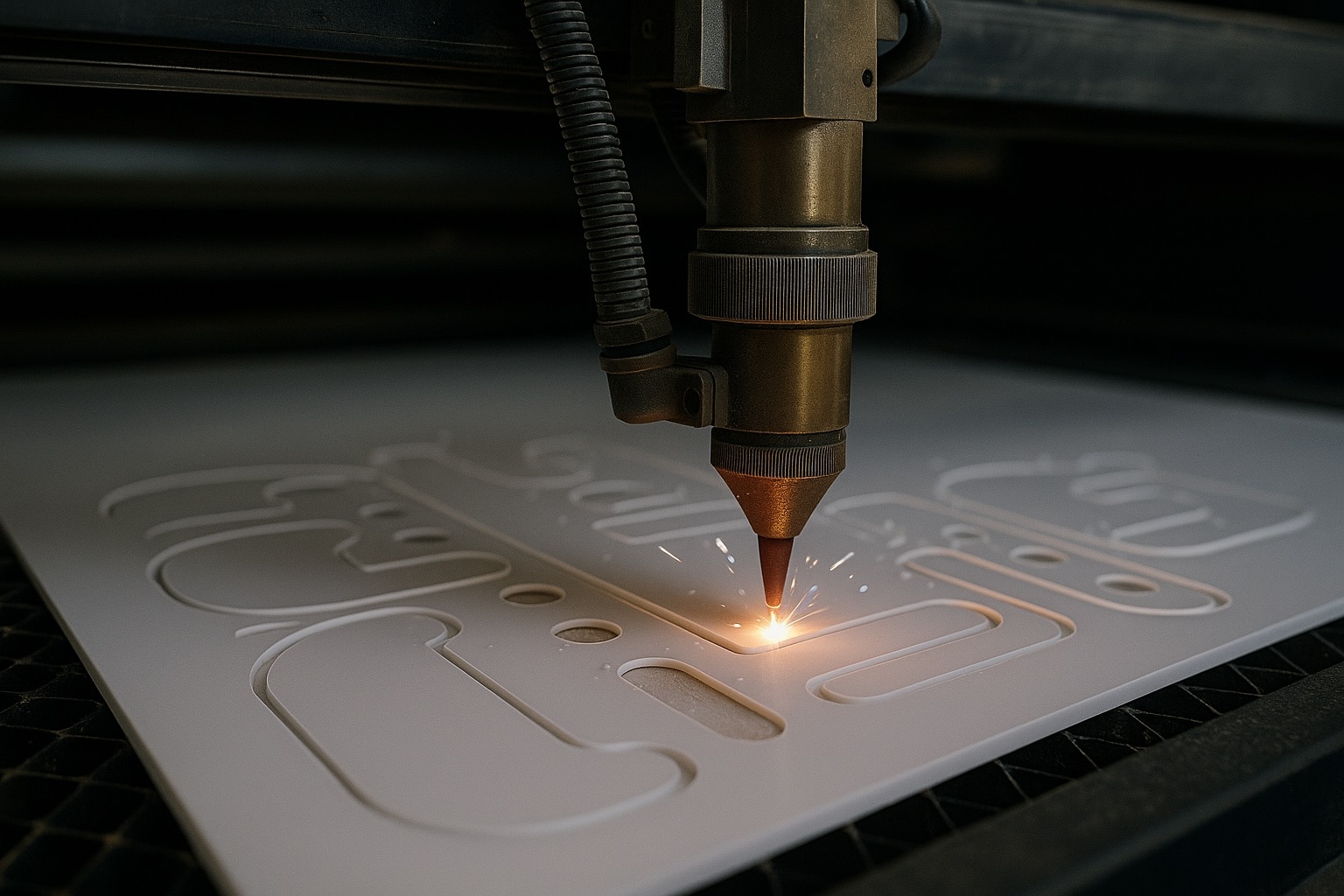
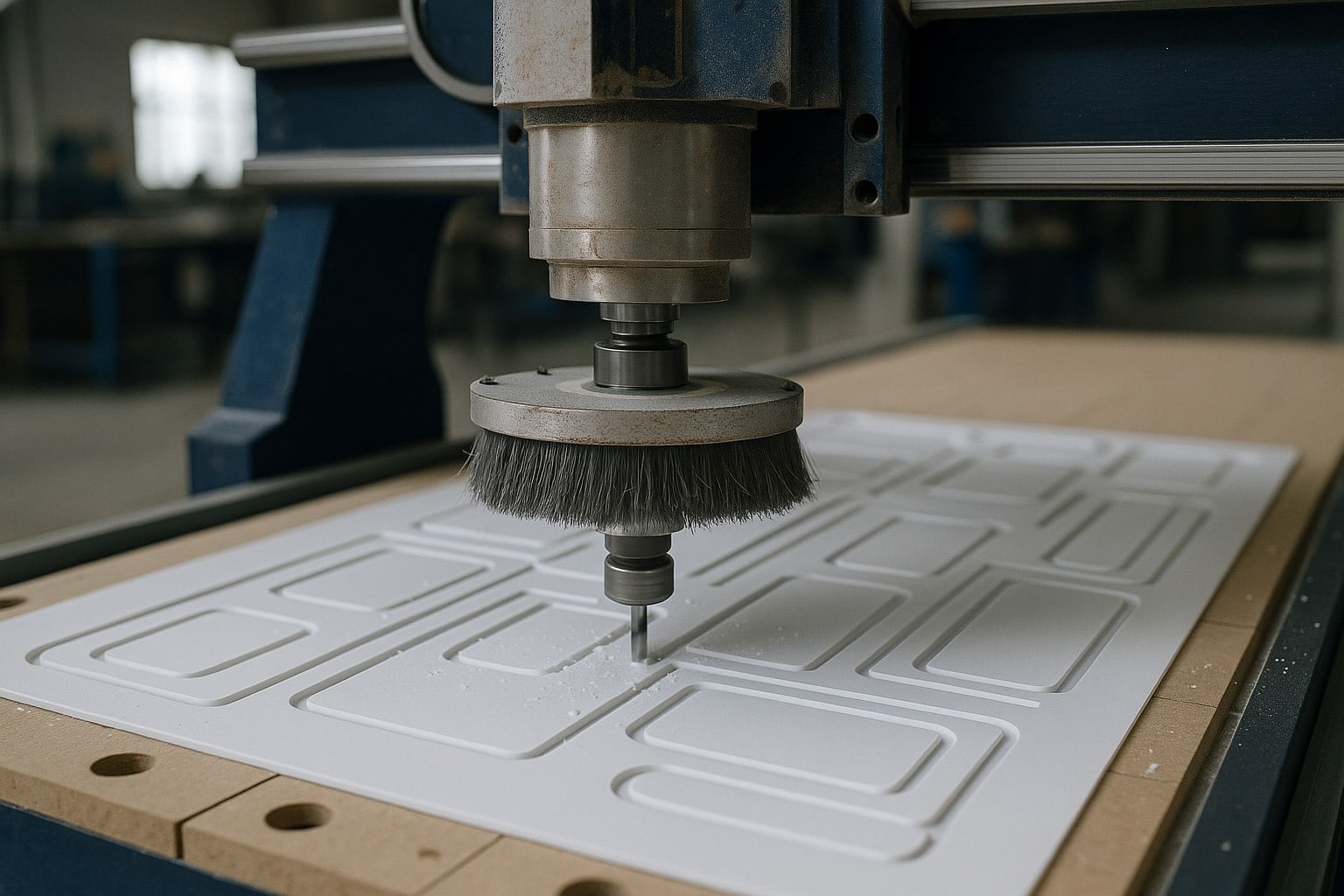
Proper scheduling of fabrication and cutting is essential. Coordinate with your supplier to ensure timelines align. Consider using CNC laser cutting for precision. This technology ensures clean cuts and reduces waste. Plan your cutting schedule around your project’s timeline to avoid bottlenecks.
Coordinating with Your Supplier
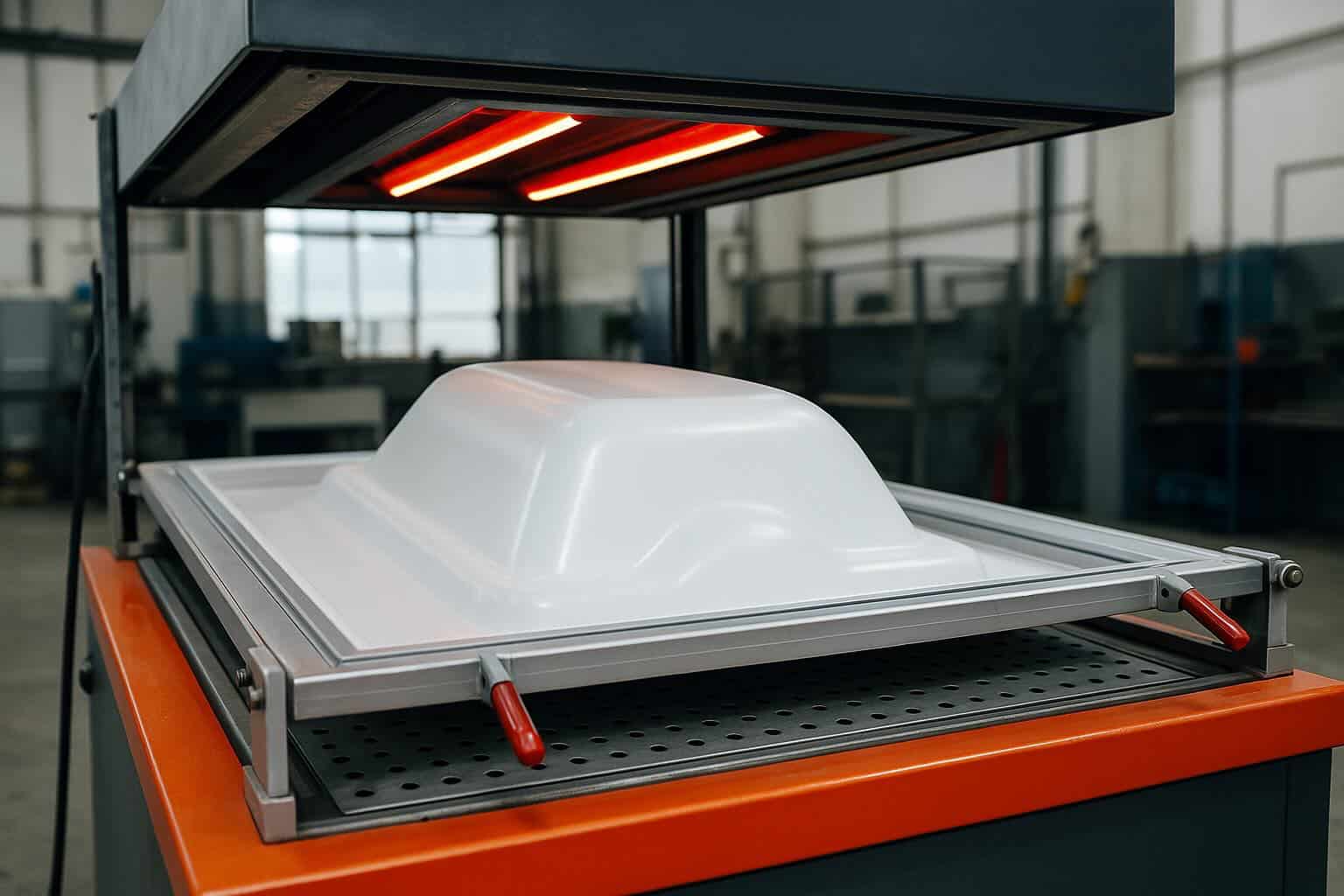
Strong communication with your supplier helps avoid delays. Keep them informed of your project timeline and any changes. A reliable supplier will work with you to meet deadlines. Discuss any specific needs like vacuum forming or plastic fabrication services. Collaborating effectively ensures you receive materials on time.
Navigating Potential Delays
Delays are sometimes unavoidable, especially during winter. Have a contingency plan in place to handle them. This could mean having alternative suppliers or buffer time in your schedule. Remember, the longer you wait to address potential issues, the more they can impact your project. Stay proactive and monitor progress closely.
Take advantage of our winter project specials now