
Top challenges in plastic cutting and fabrication — and expert tips to avoid them
Plastic cutting Australia projects often hit the same roadblocks—warping, rough edges, or poor fit. These issues cost time and money, especially if you’re handling cut-to-size plastic sheets or complex CNC laser cutting jobs. Our experts break down common challenges and share practical tips to help you avoid costly mistakes and get the job done right the first time. For more insights, check out this resource.
Common Mistakes in Plastic Cutting
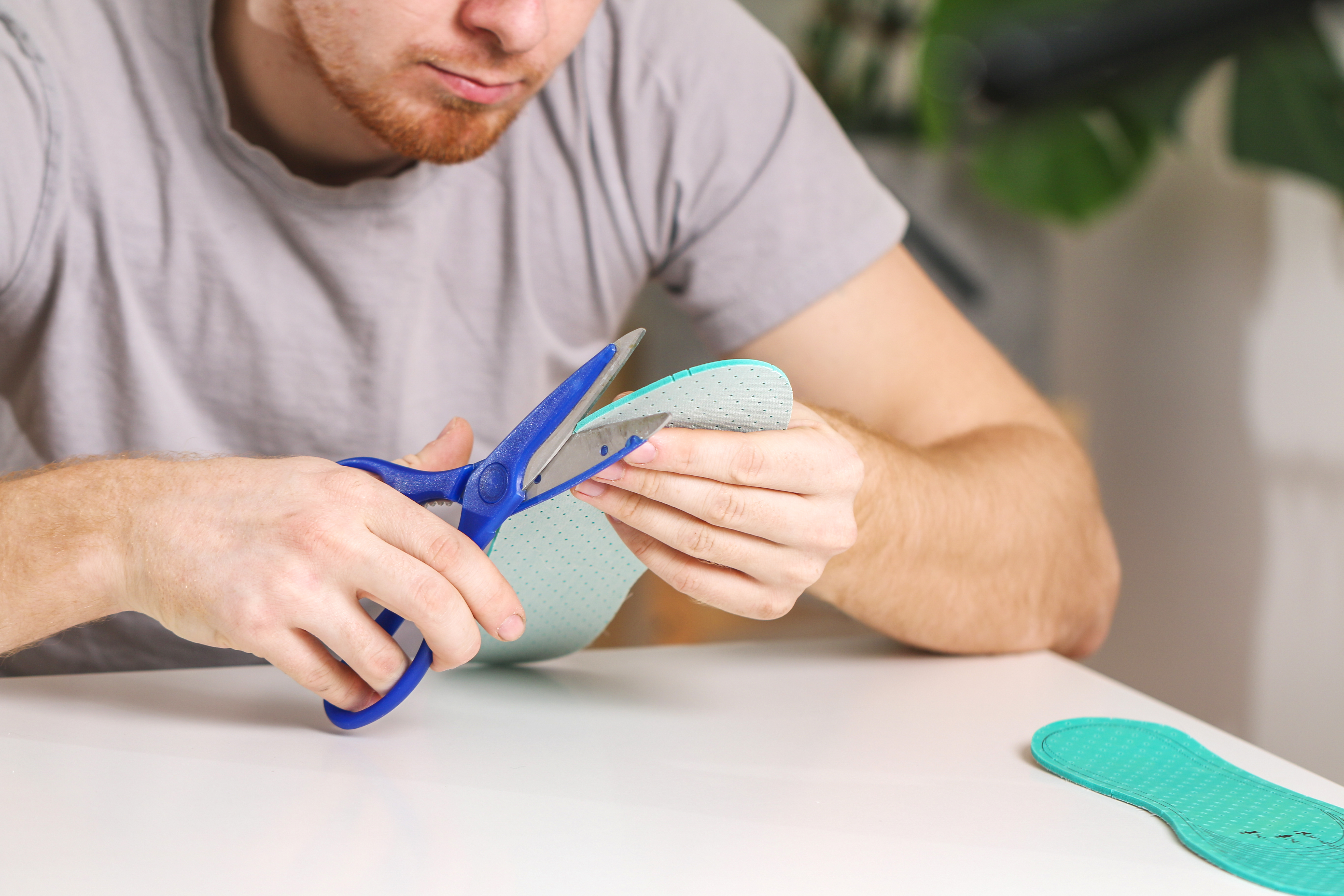
Navigating plastic cutting can be tricky. Let’s tackle the common pitfalls that many face.
Incorrect Tool Selection
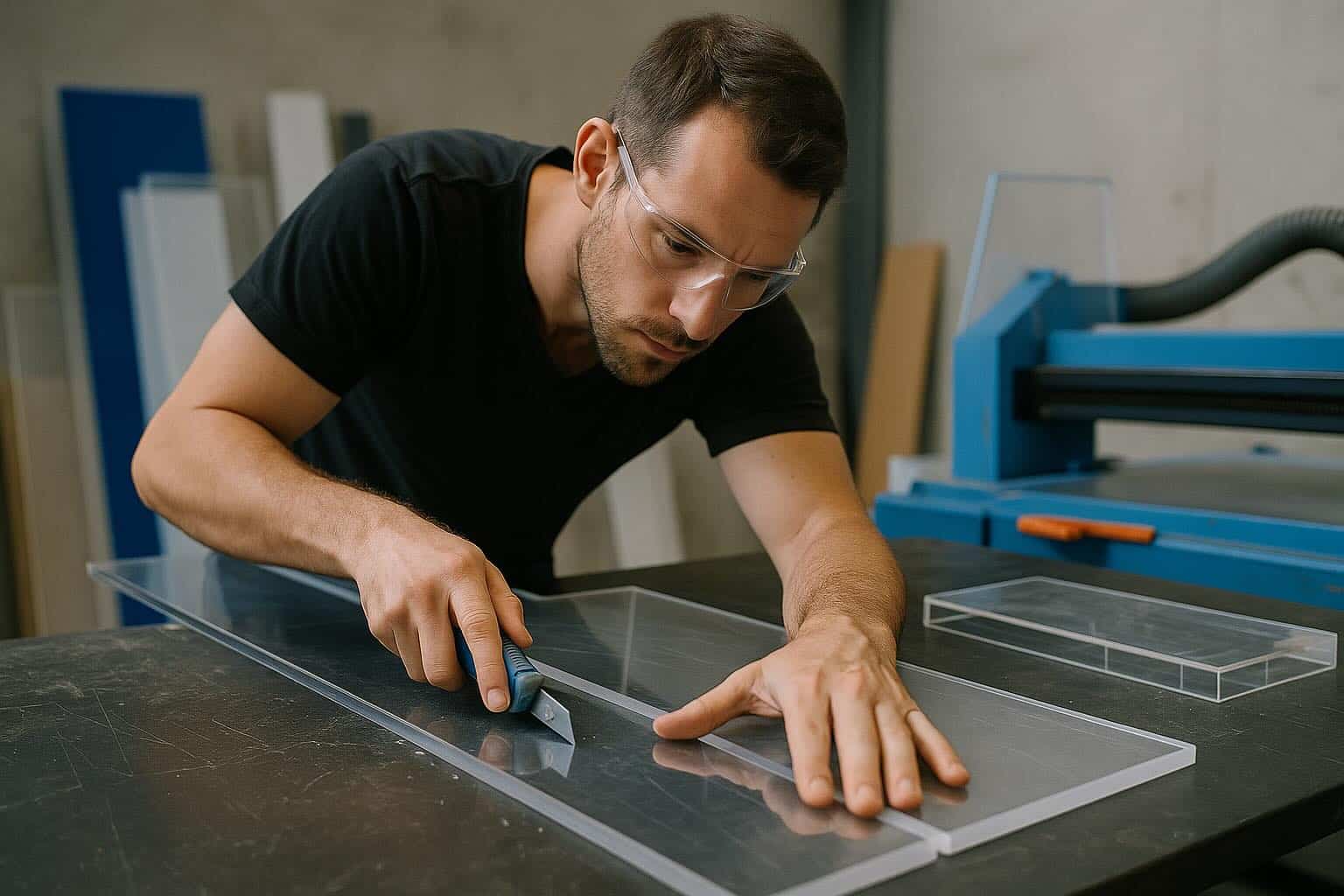
Choosing the wrong tool can lead to disaster. You might end up with jagged edges instead of a smooth finish. Imagine cutting through polycarbonate with a dull blade—it’s a recipe for disaster. Always ensure your tools match the material. For example, acrylic sheets need a fine-toothed saw blade. And remember, a sharp tool is a safe tool.
The key insight? Use the right tool for the job. This prevents uneven cuts and saves you time in the long run. Many people think any saw will do, but the right choice makes all the difference. Explore more about this challenge here.
Overlooking Material Characteristics
Not all plastics are created equal. Overlooking material properties can throw a wrench in your project. Imagine working with ABS and expecting the same flexibility as HDPE. You’ll be disappointed. Each plastic has unique characteristics that affect how it should be cut.
Here’s the key insight: Know your material. Understand the flexibility, hardness, and melting point. This knowledge helps you choose the right cutting method and avoid material waste. Most people assume all plastics behave the same way, but knowing the specifics gives you an edge.
Ignoring Safety Measures
Safety isn’t just a guideline; it’s essential. Ignoring it can lead to injury and project delays. Cutting plastics like PVC can release harmful fumes. Without proper ventilation, you’re putting yourself at risk.
Here’s the key insight: Prioritise safety. Wear protective gear and ensure your workspace is well-ventilated. It’s tempting to skip these steps, but the consequences aren’t worth it. A safe environment leads to better results and peace of mind.
Expert Tips for Precision Cutting

Avoiding mistakes is just the start. Let’s get into how to cut plastics with precision.
Choosing the Right Cutting Technique
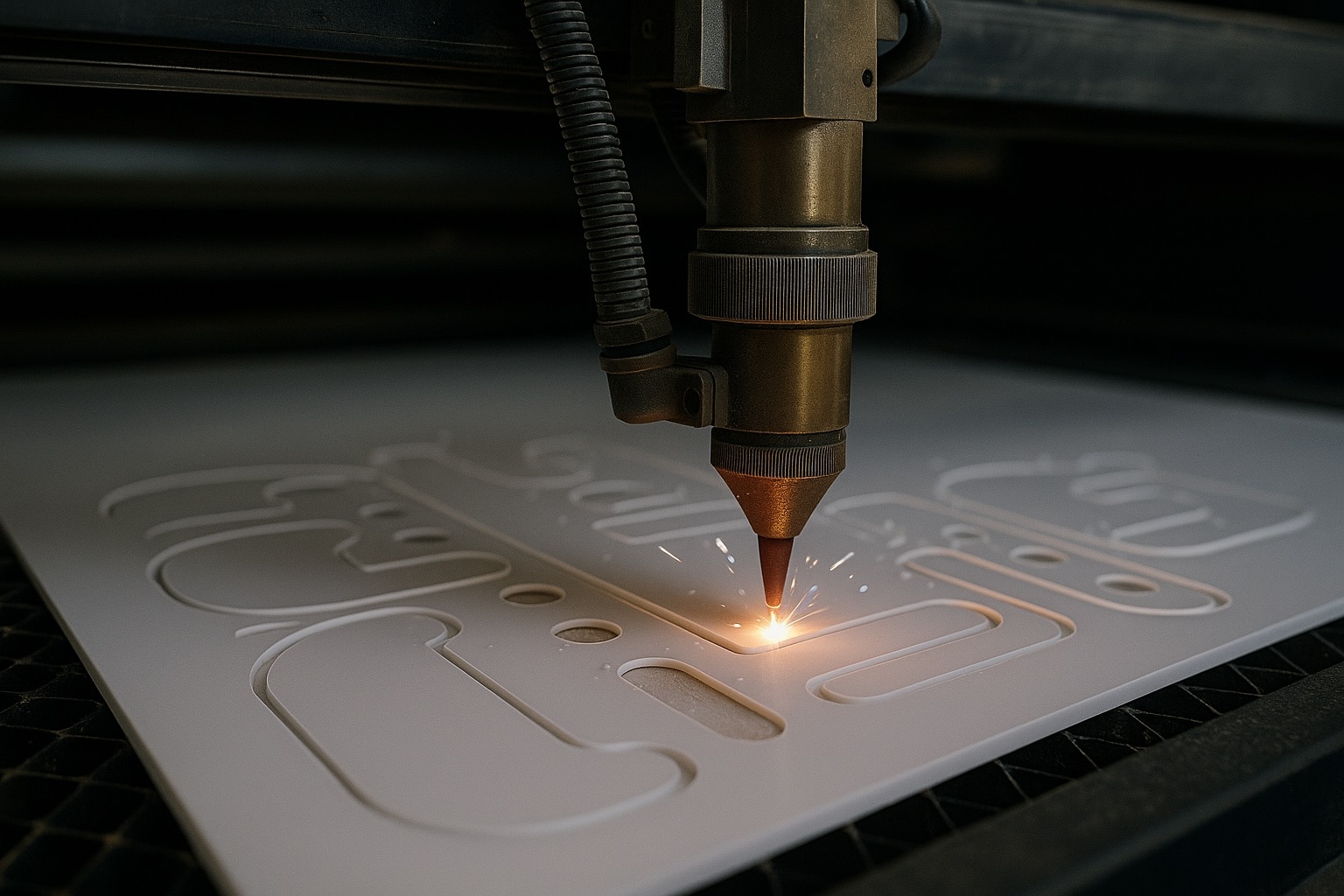
The right technique can make or break your project. For instance, CNC laser cutting offers unmatched precision for intricate designs. If you’re dealing with thicker materials, CNC water jet cutting might be your go-to choice.
Here’s the key insight: Match your technique to the task. Laser cutting excels in detail, while water jet cutting handles robust materials with ease. This knowledge lets you tackle any project with confidence, setting you apart from the competition.
Maintaining Sharpness and Accuracy
Sharp tools ensure clean cuts. But maintaining them is often overlooked. A dull blade not only slows you down but also risks damaging your material. Regular sharpening keeps your tools and results in top shape.
Here’s the key insight: Consistent maintenance leads to better outcomes. Keep a schedule for sharpening and tool checks. It might seem tedious, but this routine ensures your cuts remain precise and your projects stay on track.
Best Practices in CNC Laser Cutting and CNC Water Jet Cutting
Both techniques offer unique advantages. CNC laser cutting provides high precision, perfect for detailed work. Meanwhile, CNC water jet cutting is ideal for thicker materials that require a gentle touch.
Here’s the key insight: Understand each method’s strengths. By leveraging their capabilities, you can deliver exceptional results. Most assume they can interchange techniques, but choosing the right one can elevate your craftsmanship.
Advanced Plastic Fabrication Solutions

Precision cutting is just the beginning. Discover advanced solutions that take your projects further.
Benefits of Vacuum Forming Australia
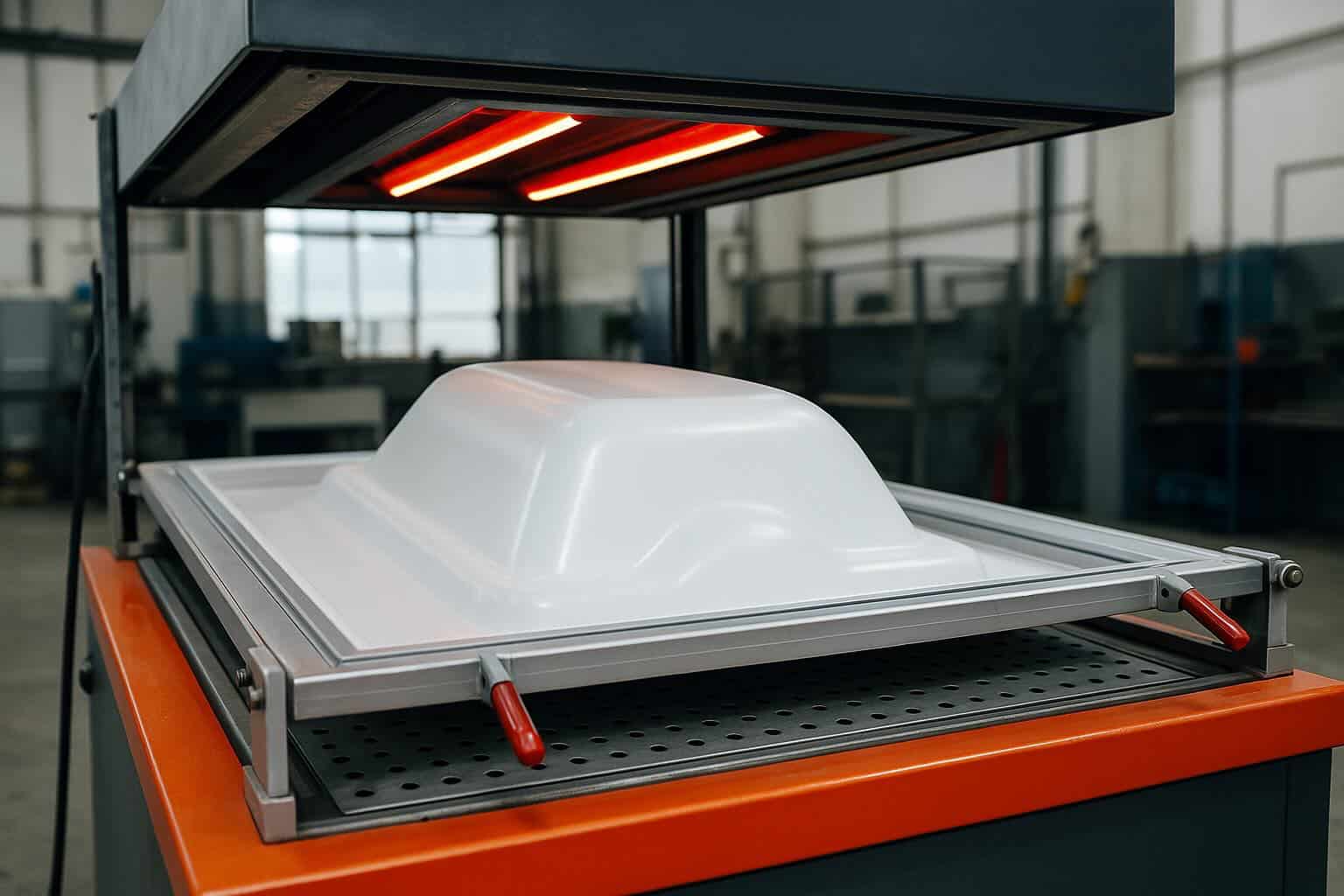
Vacuum forming is a game-changer for creating complex shapes. It’s especially useful in industries like automotive and packaging. The process involves heating a plastic sheet and forming it over a mould using vacuum pressure.
Here’s the key insight: Vacuum forming allows for rapid prototyping. You can quickly produce runs of parts at a lower cost. It’s a technique that offers both flexibility and efficiency, providing solutions that traditional methods can’t match.
Custom Signs and Lettering Techniques
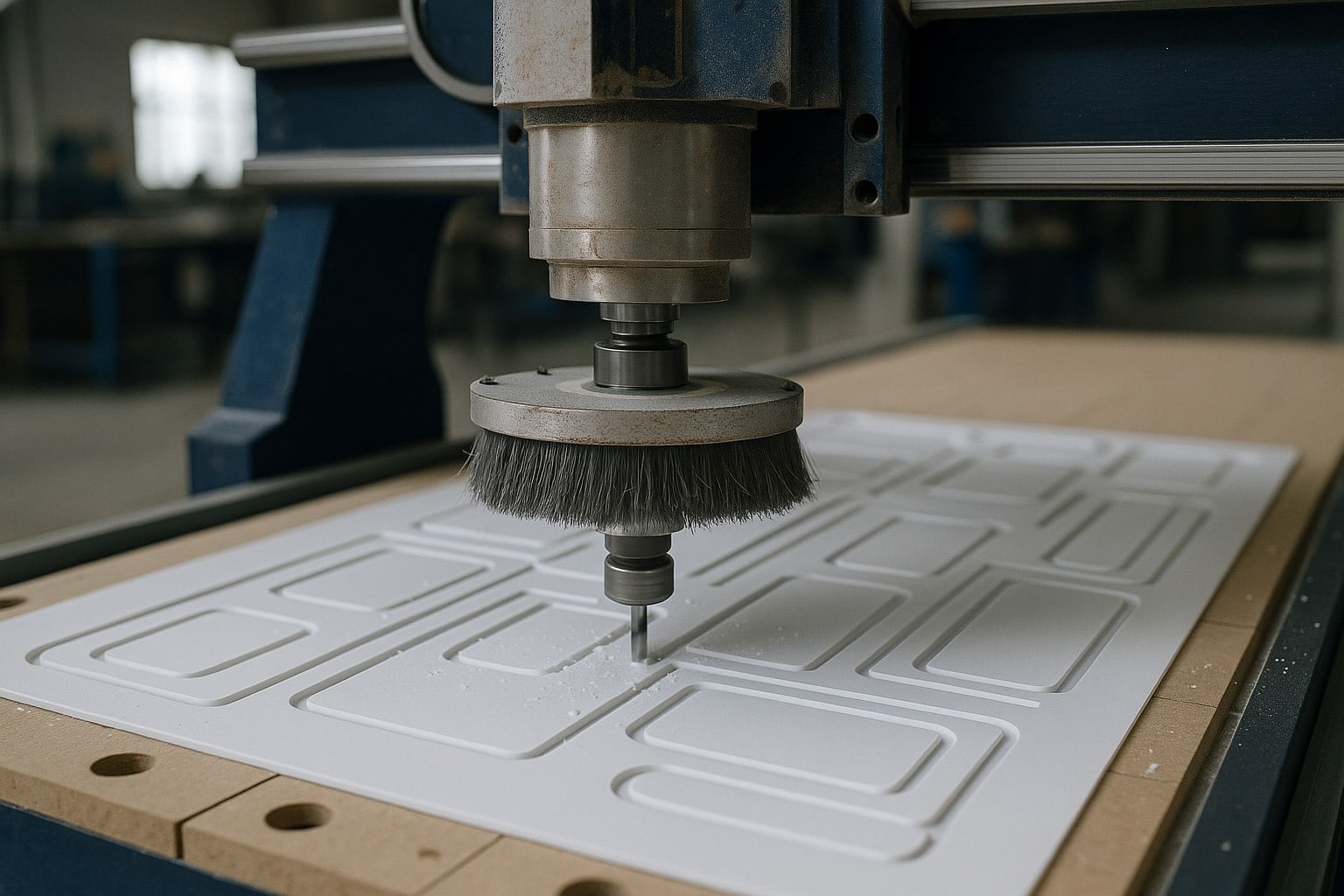
Creating custom signs and letters involves more than cutting. It requires precision and creativity. Techniques like CNC router cutting allow for intricate designs that stand out and capture attention.
Here’s the key insight: Use advanced techniques for unique signage. This approach ensures you deliver products that meet and exceed expectations. Clients look for innovation, and with the right technique, you can lead the way.
Reliable Polycarbonate Sheet Supplier Tips
Finding a trustworthy supplier is crucial. Polycarbonate sheets are popular due to their durability and transparency. But not all suppliers deliver quality materials consistently.
Here’s the key insight: Choose suppliers known for reliability and quality. It ensures your projects use the best materials available. A dependable supplier is like a partner in your success, offering peace of mind and consistent performance.
By understanding these challenges and applying expert tips, you’re well-equipped to tackle any plastic cutting project. Your next step? Dive deeper into the world of advanced plastic fabrication and see how these insights transform your work. For more tips and industry insights, join our discussion on Facebook.
Learn how to avoid costly mistakes with plastic materials