
Thermoforming Australia has become a go-to method for fast, reliable plastic parts without the wait or cost of injection moulding. If you’re juggling deadlines and want clear-cut info on how it stacks up, what materials work best, and what specs you need for a quick quote, this guide is for you. We’ll break down everything you need to know to keep your projects on track and your orders spot on. For more insights, check out this comprehensive guide on thermoforming.
Basics of Thermoforming
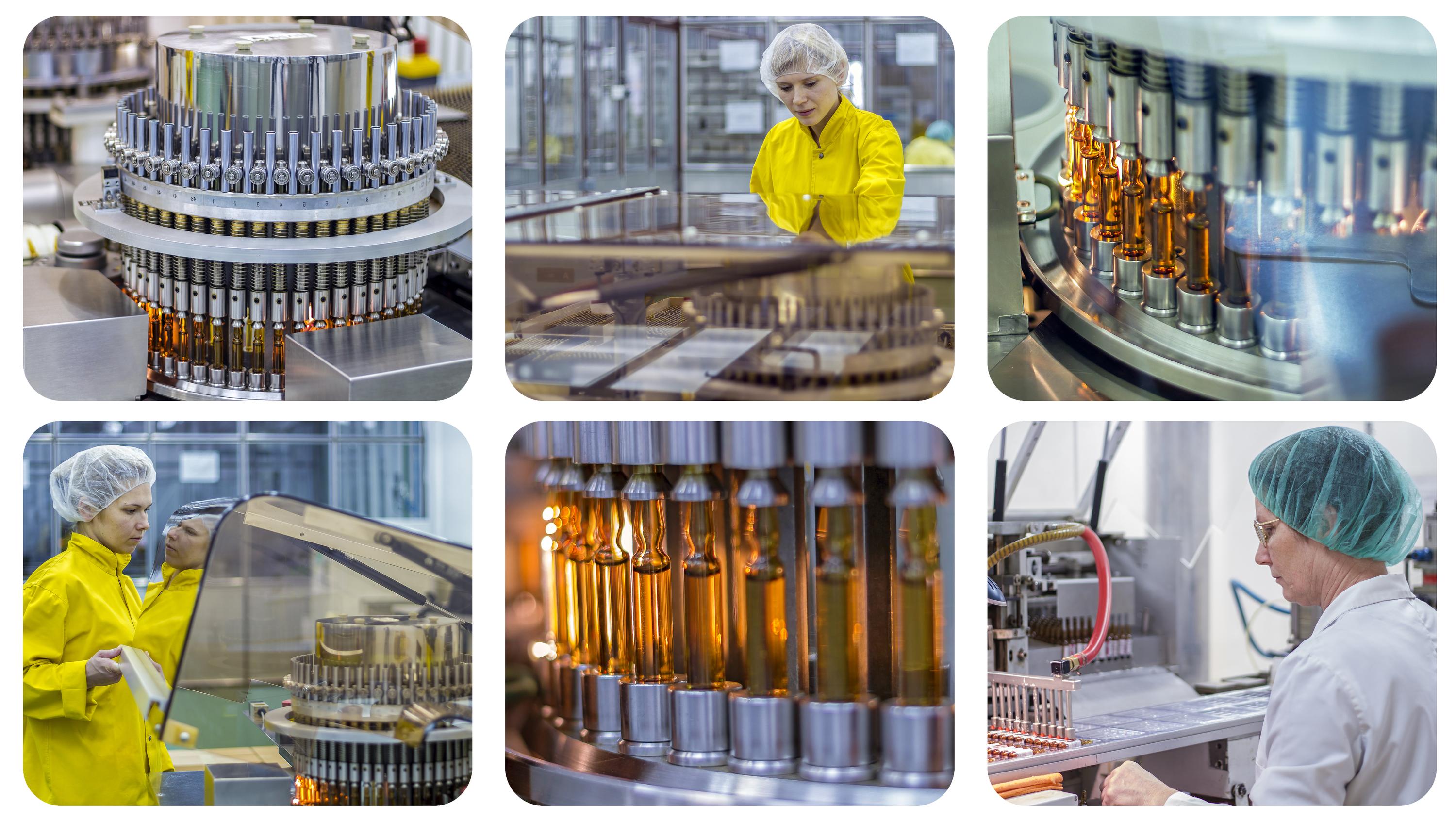
Let’s explore the basics of thermoforming—a method that’s reshaping the plastic manufacturing world. We’ll cover what it is, its benefits, and the materials often used.
What is Thermoforming?
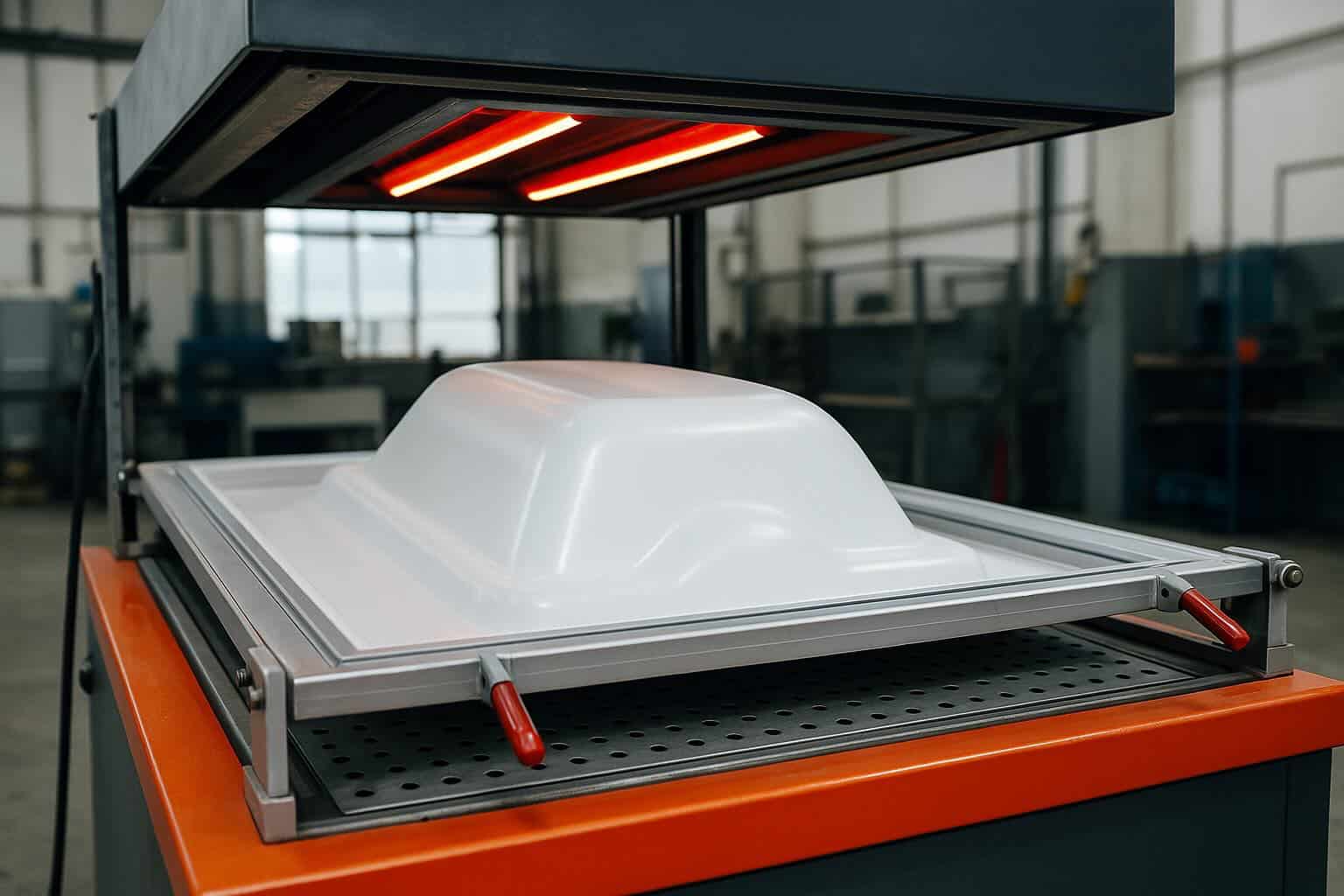
Thermoforming involves heating a plastic sheet until it’s pliable and then moulding it to a specific shape. The process is straightforward yet effective. A vacuum or pressure forms the sheet over a mould, allowing it to cool and harden. This results in durable and lightweight components perfect for various applications.
Thermoforming is ideal for medium to large parts. Whether it’s signage, covers, or product housings, this method can handle it. The process allows for quick adjustments and flexibility, making it suitable for prototypes and production runs alike. For a detailed look, visit this informative article on the thermoforming process.
Key Advantages Over Other Methods
So, why choose thermoforming? It offers several benefits over other methods like injection moulding. First, it’s cost-effective. Tooling costs are lower, which is great if you’re on a budget or working on a short project. Plus, it allows for rapid prototyping, helping you refine designs quickly.
Thermoforming is also versatile. You can produce complex shapes that might be challenging with other methods. It supports a wide range of thicknesses, offering more flexibility for different project needs. These advantages make it a preferred option in many industries, such as automotive and retail.
Common Materials in Use
The choice of materials in thermoforming is broad. Commonly used plastics include ABS, PETG, and polycarbonate. Each material offers unique properties. For instance, ABS thermoforming is popular due to its strength and impact resistance. PETG is known for its clarity and chemical resistance, making it ideal for packaging. Meanwhile, polycarbonate is tough and heat-resistant.
These materials offer solutions for various needs. Whether you’re creating custom plastic enclosures or machine guards, there’s a suitable option. Understanding material properties ensures you choose the right one to meet your project requirements. Explore more at Productive Plastics.
Thermoforming Applications in Australia
Thermoforming has diverse applications across industries in Australia. From creating custom parts to enhancing retail displays, its uses are vast.
Custom Plastic Enclosures and Housings
Custom plastic enclosures are critical in protecting electronics and other sensitive components. Thermoforming allows you to tailor these enclosures to specific dimensions and designs. This ensures a perfect fit and optimal protection for your device.
In the tech industry, these enclosures safeguard delicate electronics. They protect against dust, moisture, and impact, extending the lifespan of critical devices. Plus, with the ability to customise, you can integrate features like ventilation slots or mounting points, enhancing functionality and usability. For more, check out this Lacerta blog post.
POS Displays and Machine Guards
Point-of-sale displays are all about catching the customer’s eye. Thermoforming offers the flexibility to create unique shapes and designs that stand out. Whether it’s a sleek stand or a bold promotional display, you can craft something that truly captures attention.
Machine guards, made from materials like polycarbonate, protect workers from moving parts. They’re a vital safety component in manufacturing settings. The transparency of polycarbonate ensures visibility while maintaining safety. This makes them a staple in workplaces across Australia.
Industrial Trays and Liners
Industrial trays serve various purposes, from sorting components to organising tools. Thermoforming enables the creation of durable, lightweight trays that can withstand heavy use. They’re used in sectors such as automotive and logistics, where efficient organisation is key.
Liners are another essential product, providing protection and containment. Whether you’re dealing with chemicals or delicate items, customised liners offer the right solution. Their adaptability to different shapes and sizes ensures they meet diverse industrial needs.
Getting the Right Quote Fast
Let’s focus on getting accurate quotes quickly. Knowing the right specs can save you time and ensure you get what you need without hassle.
Key Specifications for Accurate Quotes
To get a precise quote for your thermoforming project, having clear specifications is essential. Start with the part dimensions. Exact measurements help suppliers understand the scope of the work. Next, specify the material type. Different materials have varying costs and properties, so this choice impacts the overall price.
Include any additional features your part requires. This could be specific finishes, tolerances, or colours. Being detailed in your request reduces back-and-forth, speeding up the process. Suppliers appreciate clear instructions as it streamlines production and ensures you get the right part the first time.
Comparing Thermoforming vs Injection Moulding
Thermoforming and injection moulding each have their place. But how do you decide which is right for you? Thermoforming is ideal for short-run manufacturing plastics. It’s faster and cheaper to set up, making it perfect for smaller batches or custom jobs.
Injection moulding, on the other hand, is suited for large volume production. It’s more intricate, offering finer details and consistency across thousands of units. Consider your project’s scale, budget, and timeline when choosing between these two methods. Here’s a video explaining more on these differences.
Fast and Reliable Australian Plastic Suppliers
Finding a trustworthy supplier is crucial for smooth operations. Look for those with a strong local presence and a track record of reliability. Suppliers like those on the Gold Coast with fabrication capabilities ensure consistent quality and faster lead times.
Check for suppliers offering comprehensive services from design to delivery. This means fewer delays and a single point of contact for all your needs. Supporting local businesses not only boosts your project but also strengthens the community.
By understanding the basics and applications of thermoforming, you’re better equipped to choose the right method for your needs. Armed with the right specs, you’ll get accurate quotes swiftly, keeping your projects on track and within budget.
See why our precise cutting and local manufacturing stand apart