
Innovative Plastic Fabrication in Australia: Laser, Water Jet, Routing and Forming—What Works Where
Forget everything you think you know about plastic fabrication Australia. Cutting-edge methods like CNC laser cutting plastics, water jet cutting acrylic, and vacuum forming Australia each have their place—and knowing which suits your project saves time and money. We’ll break down what works best where, so you can get precise, reliable results every time. Ready to get started? Upload your drawing for a fast quote, or order cut-to-size sheets online today. Learn more about plastic fabrication methods here.
Plastic Fabrication Methods in Australia
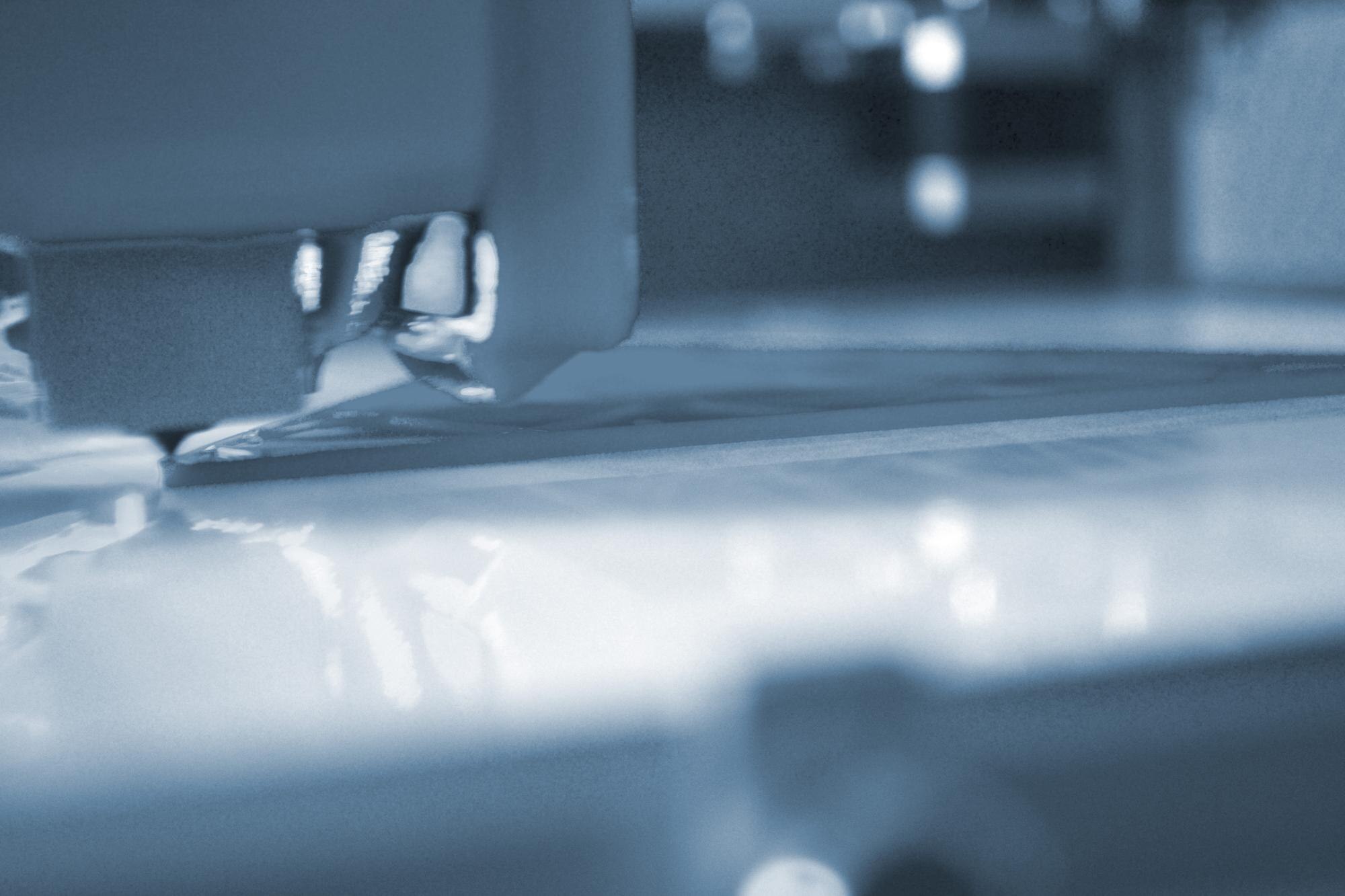
Plastic fabrication in Australia offers diverse methods to meet various project needs. From intricate designs to robust materials, each technique provides unique advantages. Let’s dive into the world of CNC laser cutting, water jet cutting, and CNC routing.
CNC Laser Cutting: Precision and Detail
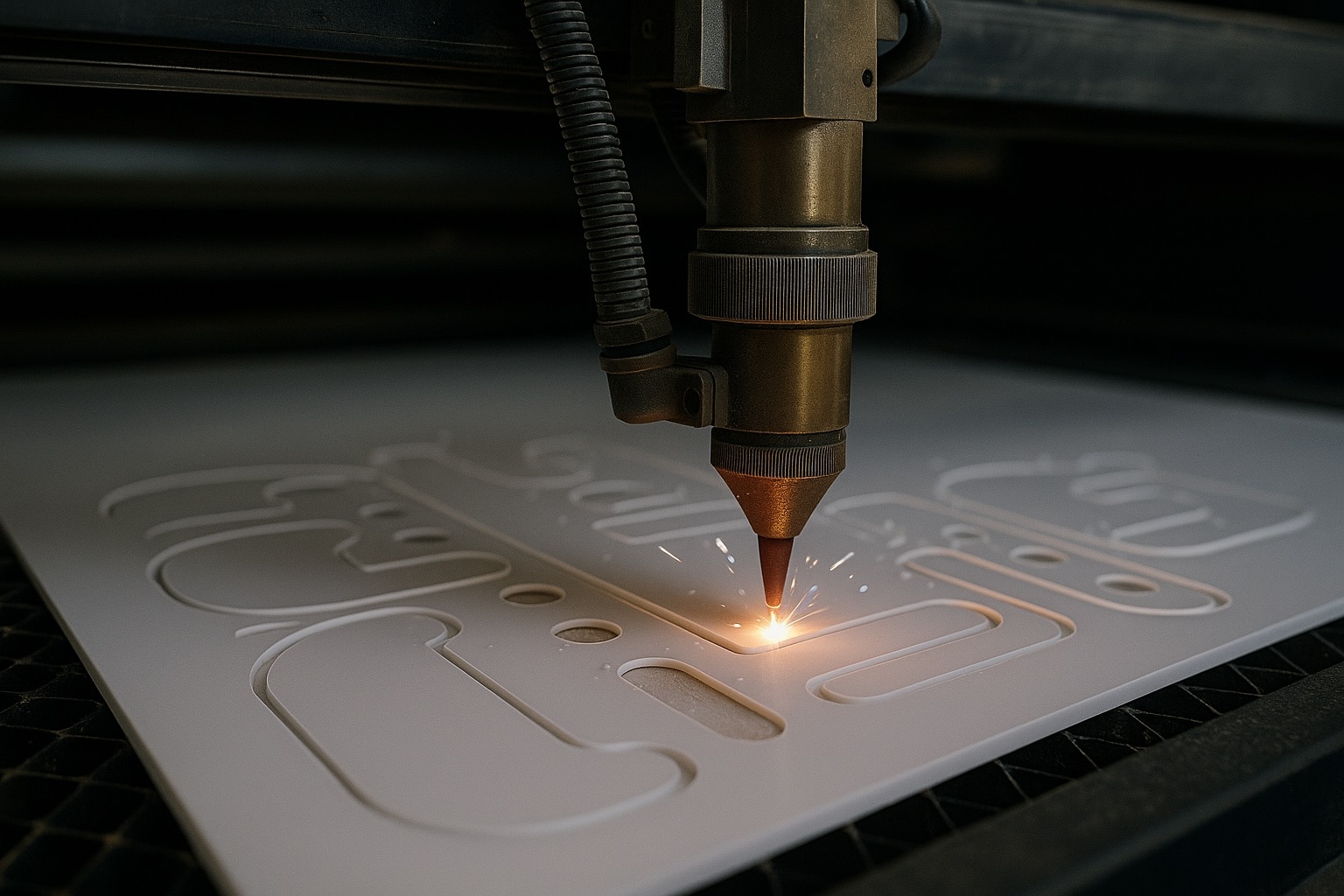
Ready to achieve pinpoint accuracy in your projects? CNC laser cutting is ideal for precision and detail. This method excels in producing intricate designs, making it perfect for projects that require exact measurements and refined finishes. Laser cutting uses focused light beams to melt, burn, or vaporise material, allowing you to create complex patterns without physical contact. This ensures a clean edge with minimal material waste.
Many believe that laser cutting is only suitable for thin materials, but it’s also effective for medium-thickness plastics like acrylic (Perspex) sheets or PVC foam board. With CNC laser cutting, you can produce anything from custom plastic signs to laser-cut acrylic letters. It’s a game-changer for those who demand precision.
Water Jet Cutting: Thick and Heat-Sensitive Materials
Think water can’t cut through thick materials? Think again. Water jet cutting is a powerful method that uses high-pressure water mixed with abrasives to slice through tough plastics. It’s particularly useful for materials that can’t withstand the heat of a laser, like polycarbonate sheets or HDPE.
Water jets are perfect for thick and heat-sensitive plastics, ensuring no thermal damage occurs during cutting. This method is versatile, capable of handling different thicknesses, making it ideal for industrial components or large-scale projects. If you’re dealing with challenging materials, water jet cutting is your best bet. Explore more about water jet cutting here.
CNC Routing: Complex Profiles and Designs
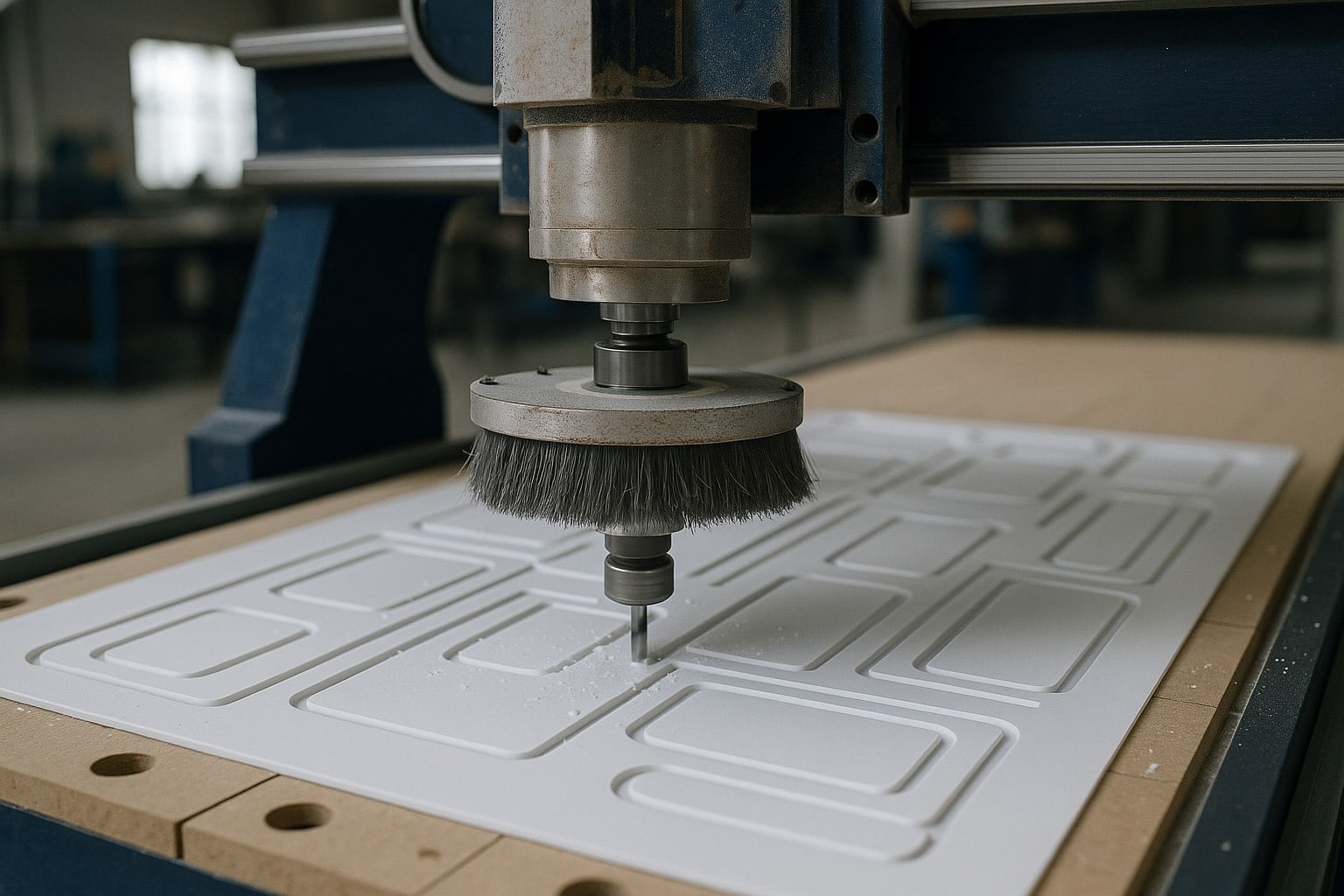
Need to create complex shapes with ease? CNC routing is your solution. It’s an excellent choice for intricate profiles and designs, particularly when working with large plastic sheets. CNC routers use rapidly rotating bits to carve out designs, offering flexibility in creating varied shapes.
This method is ideal for projects that require detailed profiles like custom plastic fabrication for furniture or detailed sign components. CNC routing excels in producing consistent, high-quality cuts, ensuring your designs come to life with precision. It’s a reliable choice for those seeking complex and customised results.
Forming Techniques for 3D Shapes
Creating three-dimensional shapes can seem daunting, but with the right forming techniques, it becomes a breeze. Thermoforming, vacuum forming, and heat bending offer versatile solutions for various projects.
Thermoforming and Vacuum Forming: Durable Solutions
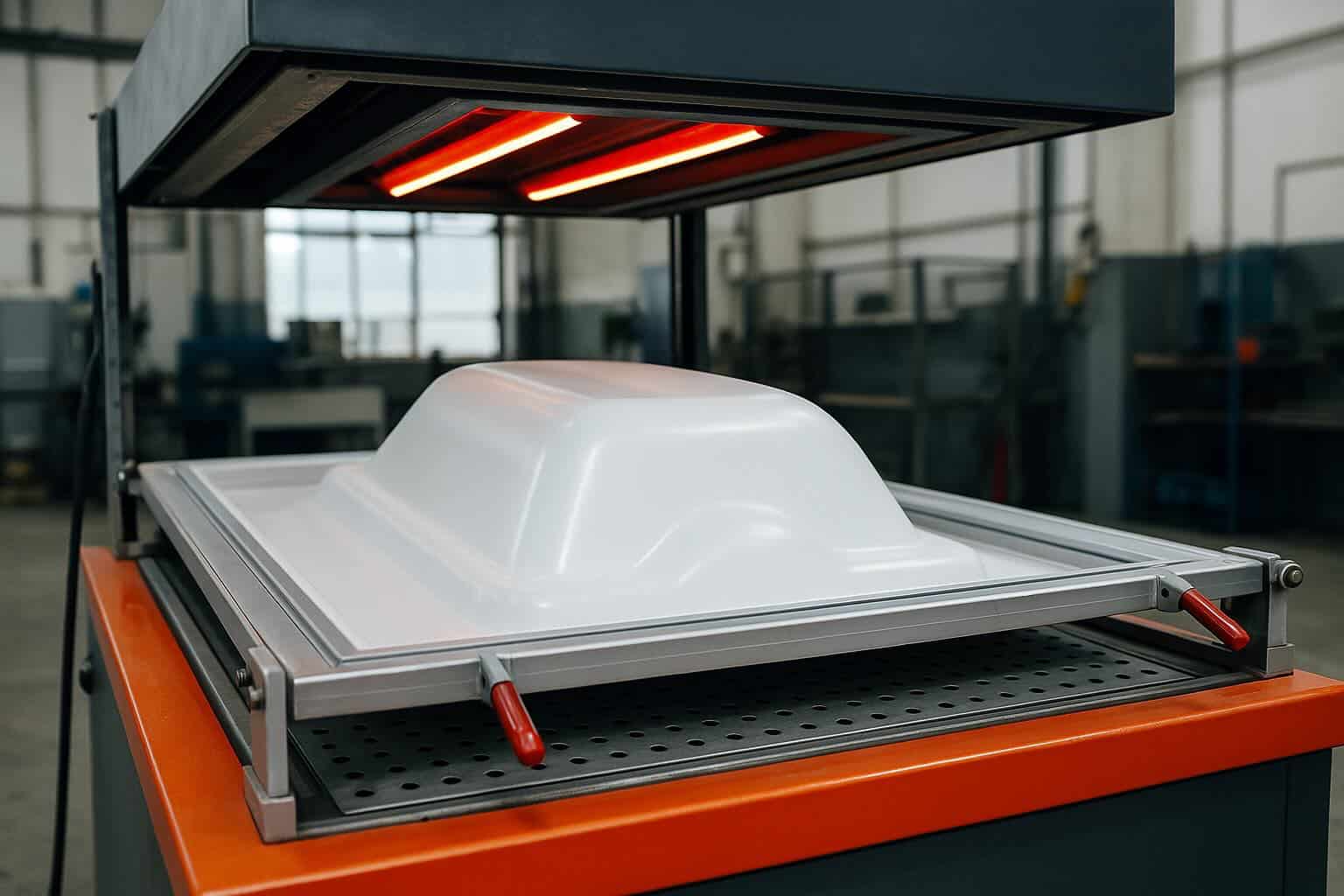
Looking to mould plastics into durable shapes? Thermoforming and vacuum forming are your go-to methods. These techniques involve heating plastic sheets until pliable and then shaping them over a mould. Once cooled, they retain the mould’s shape, providing durability and strength.
Vacuum forming, in particular, is great for producing large, lightweight parts like industrial plastic components. It’s commonly used in packaging, automotive, and aerospace industries. Thermoforming offers flexibility in material choices, from PETG forming to durable HDPE, allowing you to create robust solutions for various applications.
Heat Bending and Solvent Bonding: Custom Shapes
Want bespoke shapes without the hassle? Heat bending and solvent bonding offer custom solutions for your unique projects. Heat bending involves softening plastic with heat, allowing it to bend into different shapes. It’s perfect for creating custom signs or decorative elements that need to fit specific angles.
Solvent bonding, on the other hand, uses a chemical solvent to join plastic pieces seamlessly. This method is ideal for projects requiring strong, invisible joints, like UV printing on acrylic displays. Both techniques allow for creative flexibility, giving you control over your design’s final appearance.
Applications and Benefits of Plastic Fabrication
Plastic fabrication methods open doors to a world of possibilities. From signage to manufacturing components, the benefits are vast.
Custom Signs and Industrial Components
Want to make a statement with your branding? Custom signs crafted from acrylic or polycarbonate deliver eye-catching results. Plastic fabrication allows for tailor-made solutions that reflect your brand’s identity. Whether it’s a business sign or decorative lettering, the precision of CNC laser cutting ensures a standout finish.
In the industrial realm, plastic fabrication produces robust components for machinery and equipment, offering durability and exactness. These applications highlight the versatility of plastic materials in both creative and practical contexts. Discover more about custom plastic signs.
Prototypes to Production Runs: From Start to Finish
Think creating a prototype is time-consuming? Plastic fabrication simplifies the process from prototype to production. With techniques like CNC routing and thermoforming, you can produce detailed prototypes quickly, saving time and resources.
Once your design is perfected, transitioning to production runs is seamless. This flexibility allows businesses to refine their products before committing to large-scale manufacturing. Whether you’re a start-up or an established company, plastic fabrication supports innovation and efficiency.
Benefits of Local Manufacturing and Quick Turnaround
Why rely on overseas suppliers when local manufacturing offers so much more? Choosing local manufacturing ensures quality control, quick turnaround times, and supports the Australian economy. With facilities on the Gold Coast, you can expect reliable service and faster delivery, reducing project downtime.
Plastic Online’s commitment to local production means you receive precise, high-quality products tailored to your needs. Whether it’s a one-off project or bulk orders, you can trust in the expertise and reliability of your local partner. Learn about the advantages of local manufacturing.
By understanding these methods and their applications, you’re equipped to make informed decisions for your projects. Remember, the right technique can transform your ideas into reality with precision and efficiency. Ready to start your next project with us?
Get precision-cut plastics tailored for your project’s success