
Fix it right: common plastic fabrication issues and how to overcome them
Plastic fabrication projects often hit snags like cracking, warping, or cloudy finishes that slow you down. These issues can waste time and materials if you don’t tackle them the right way. In this guide, you’ll learn how to spot common problems and fix them fast—so your acrylic sheet cut to size or polycarbonate sheet looks perfect every time. Let’s cut through the headaches with practical tips from Australia’s trusted plastic supplier. For more detailed information on preventing injection moulding defects, check out this resource.
Common Fabrication Problems

Working with plastics can offer both flexibility and challenges. Knowing how to prevent common fabrication issues is key to successful projects.
Cracking and How to Prevent It
Cracks in plastic can ruin a project, but you can stop them before they start. First, ensure your cutting tools are sharp. Dull blades can stress the material, leading to cracks. When cutting, maintain a steady hand and consistent speed. This helps in distributing the force evenly across the material.
Consider the type of plastic too. Acrylic, for instance, is more prone to cracking than polycarbonate. Polycarbonate sheet is known for its impact resistance, making it an excellent option for projects requiring durability. If you’re using acrylic, always drill holes slightly larger than needed to accommodate for expansion. This allows the material to breathe without cracking. Check out this guide for more insights on avoiding plastic design mistakes.
Avoiding Warping in Plastics
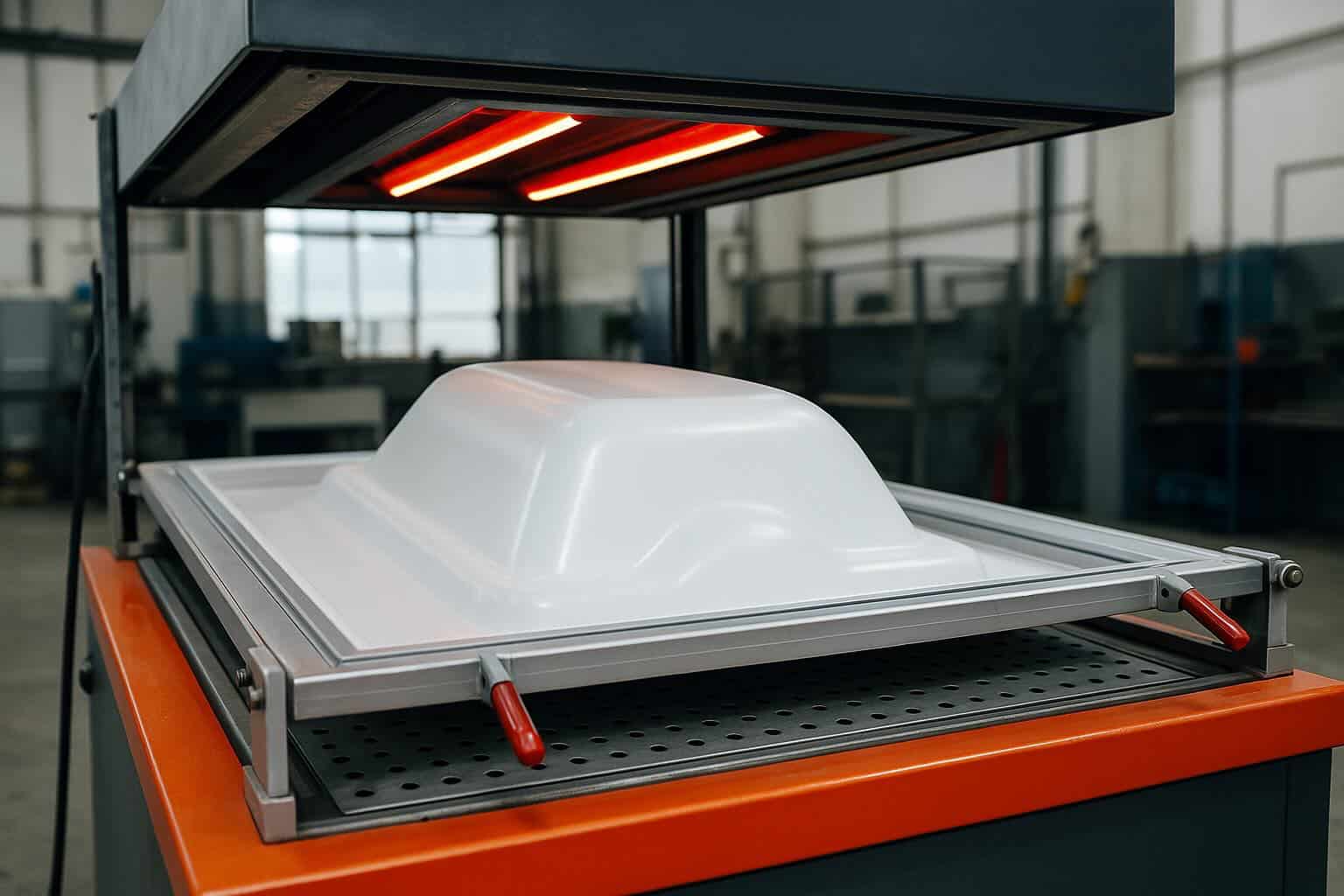
Warping can make your plastic look unprofessional. To avoid it, start by controlling the temperature. Heat can deform plastic, so keep your workspace cool. If using heat to bend plastic, do it evenly. Uneven heating causes warping. Use a heat gun at a safe distance, moving it uniformly across the surface.
Also, consider the thickness of your material. Thicker plastics hold their shape better than thin ones. If you’re working with thin sheets, support them fully during processing. By taking these steps, you can keep your plastics flat and true.
Solutions for Poor Bonding
Bonding plastic pieces can be tricky. First, ensure surfaces are clean and free of oils or dust. Dust can interfere with bonding, making joints weak. Use solvent cement for acrylic to create strong bonds. This cement melts the surfaces slightly, fusing them together.
Clamping the pieces after applying cement ensures a tight bond. Hold them together until the adhesive sets. Remember, patience pays off. Let the bond cure fully before testing its strength. If in doubt, this link offers solutions to common bonding issues.
Achieving Flawless Finishes
A smooth finish is the hallmark of quality craftsmanship. Let’s explore how to achieve perfection in your plastic projects.
Preventing Chipped Edges
Chipped edges can spoil an otherwise perfect project. To avoid them, use a clean, sharp blade when cutting. This reduces the risk of chipping. Work slowly, letting the tool do the work. For added safety, consider using a router with a guide. This ensures straight, clean cuts.
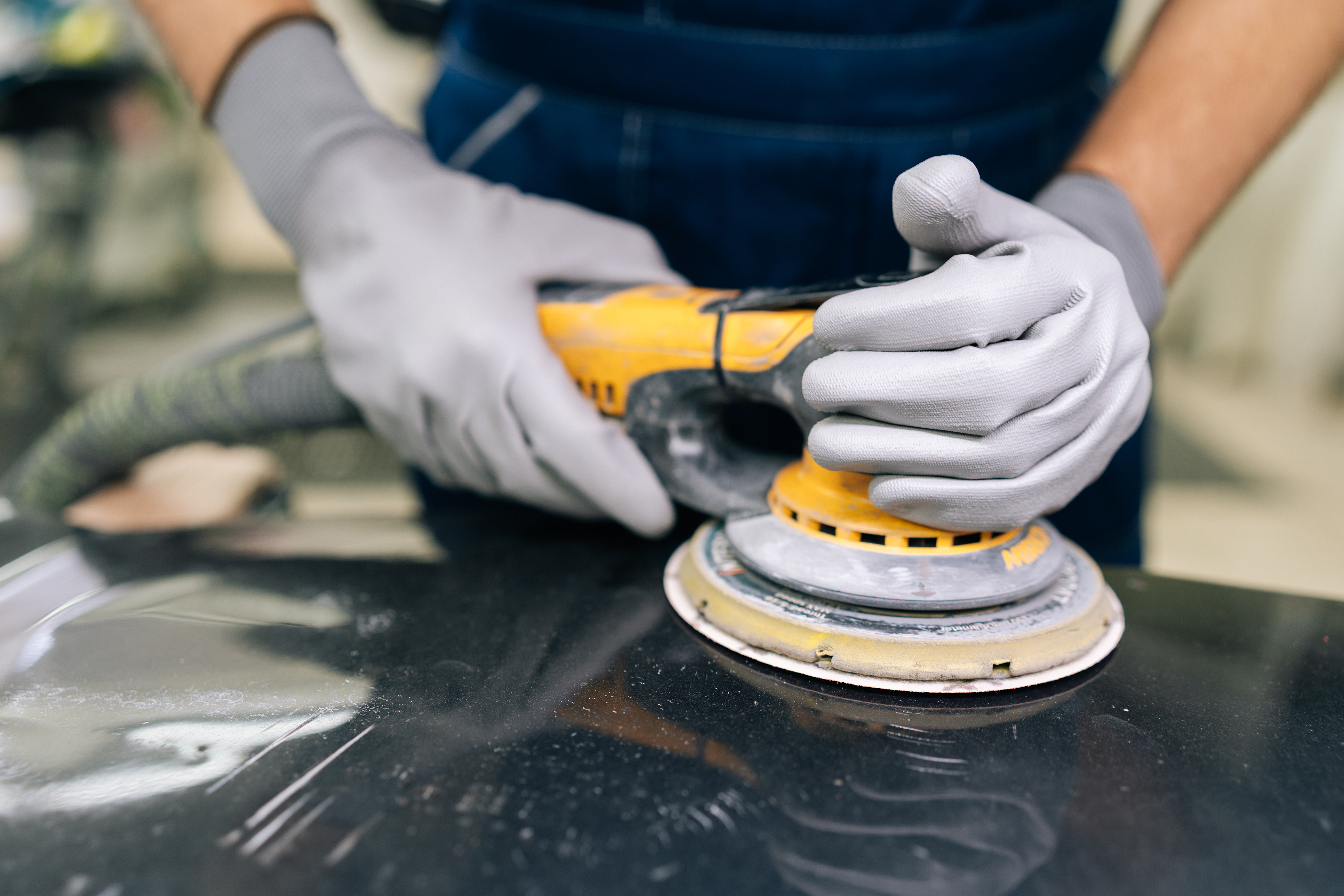
If you do encounter chips, don’t worry. Sanding can smooth out minor imperfections. Start with coarse sandpaper and finish with a finer grade for a polished edge. Flame polishing acrylic is another method to achieve brilliant results.
Solving Stress Crazing in Acrylic
Stress crazing appears as tiny cracks, often caused by tension in the material. It can be a headache, but it’s fixable. First, check your environment. Avoid exposing acrylic to harsh chemicals, which can cause crazing. If you’re bending acrylic, do it gradually. Quick bends can lead to stress crazing.
When working with acrylic, always ensure it’s at room temperature. Cold acrylic is more prone to stress. By following these steps, you can minimize crazing and maintain the clarity of your acrylic projects.
Tips for Cloudy Finishes
Cloudy finishes can mar the appearance of your project. The main culprit is usually improper cleaning or polishing. Start by cleaning the plastic with a mild soap solution. Avoid using harsh chemicals that might damage the surface.
Polishing is the next step. Use a soft cloth and a gentle polish designed for plastics. Work in small circles to avoid streaks. Flame polishing acrylic can also restore clarity, giving your project a professional look.
Precision Cutting Techniques
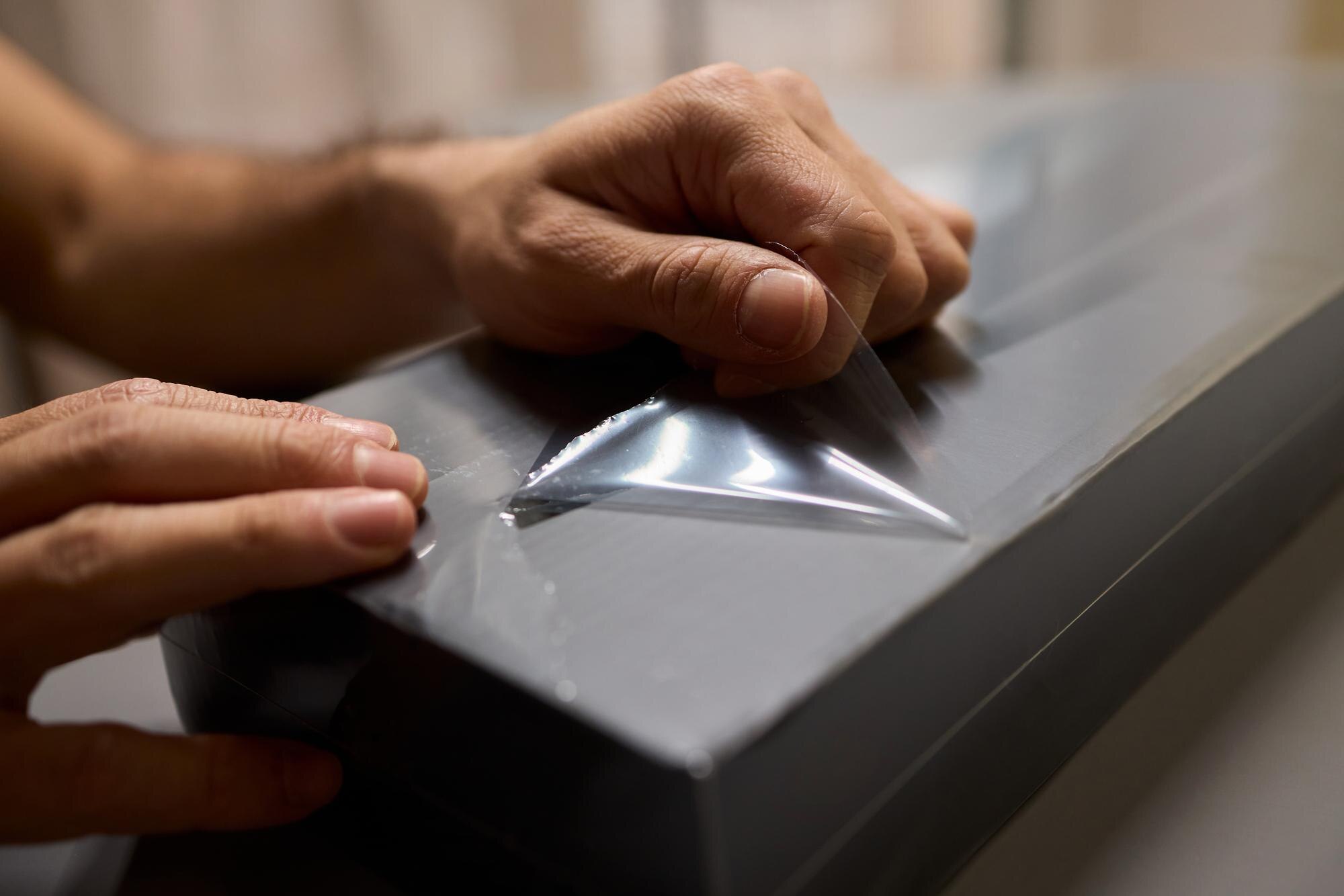
Precision is crucial in plastic fabrication. Let’s delve into methods that ensure accurate cuts every time.
Inaccurate Cuts and Fixes
An inaccurate cut can throw your whole project off. Prevent this by measuring twice and cutting once. Use a reliable measuring tool and mark your cuts clearly. If a mistake happens, don’t panic. Sometimes, minor errors can be corrected with sanding or trimming.
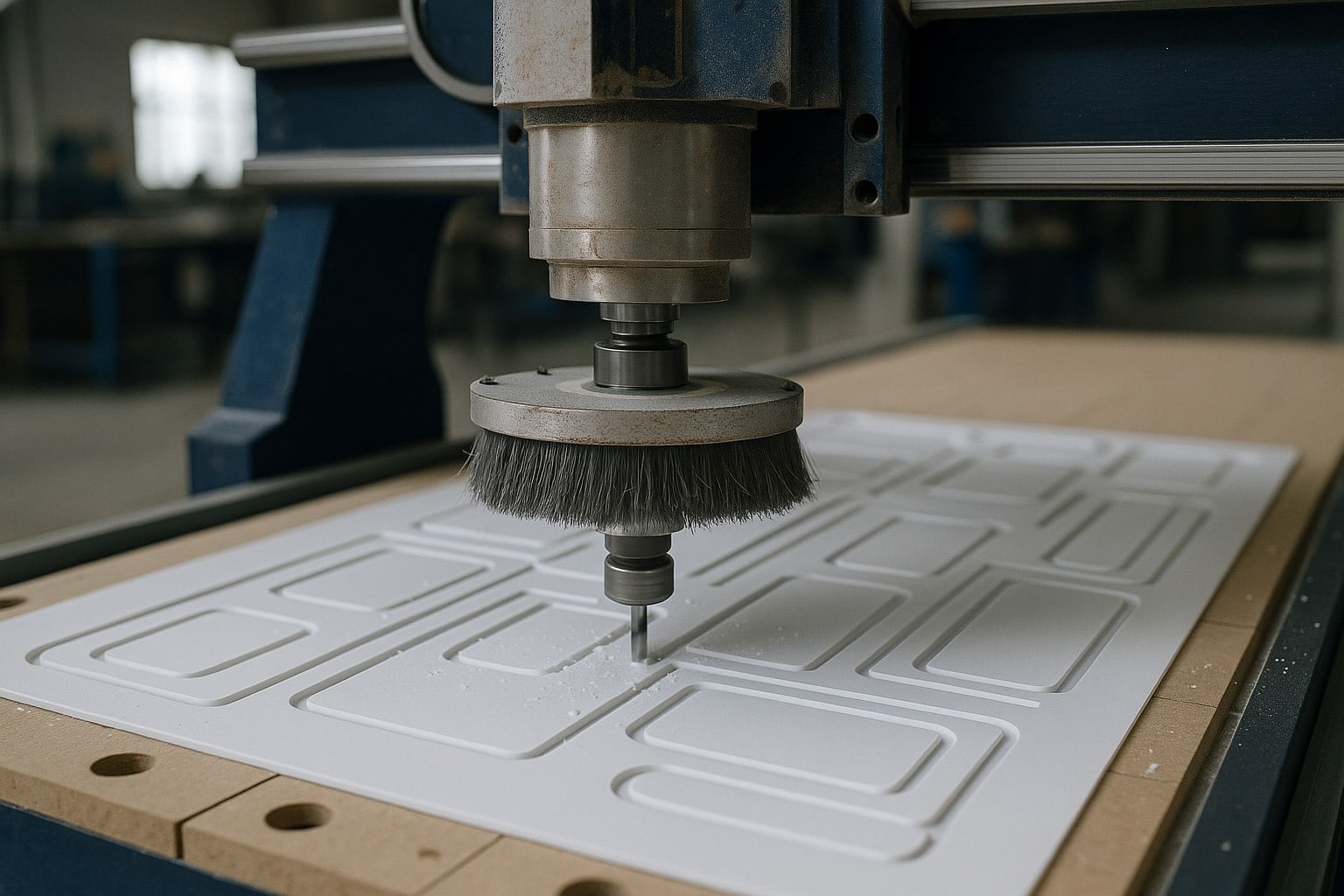
For intricate cuts, CNC routing plastics is a great solution. It offers precision that hand tools can’t match. By investing in precise cutting tools, you’ll ensure accuracy in every cut.
Deburring Plastic Edges
After cutting, you’re left with raw edges. Deburring smooths them out. A simple deburring tool can make a big difference. Run it along the edge to remove any roughness. For a finer finish, sand the edges. Start with a coarser grit and move to a finer one.
Deburring plastic edges not only improves appearance but also reduces the risk of injury. Smooth edges are safer and more professional-looking.
Benefits of CNC Laser Cutting Australia
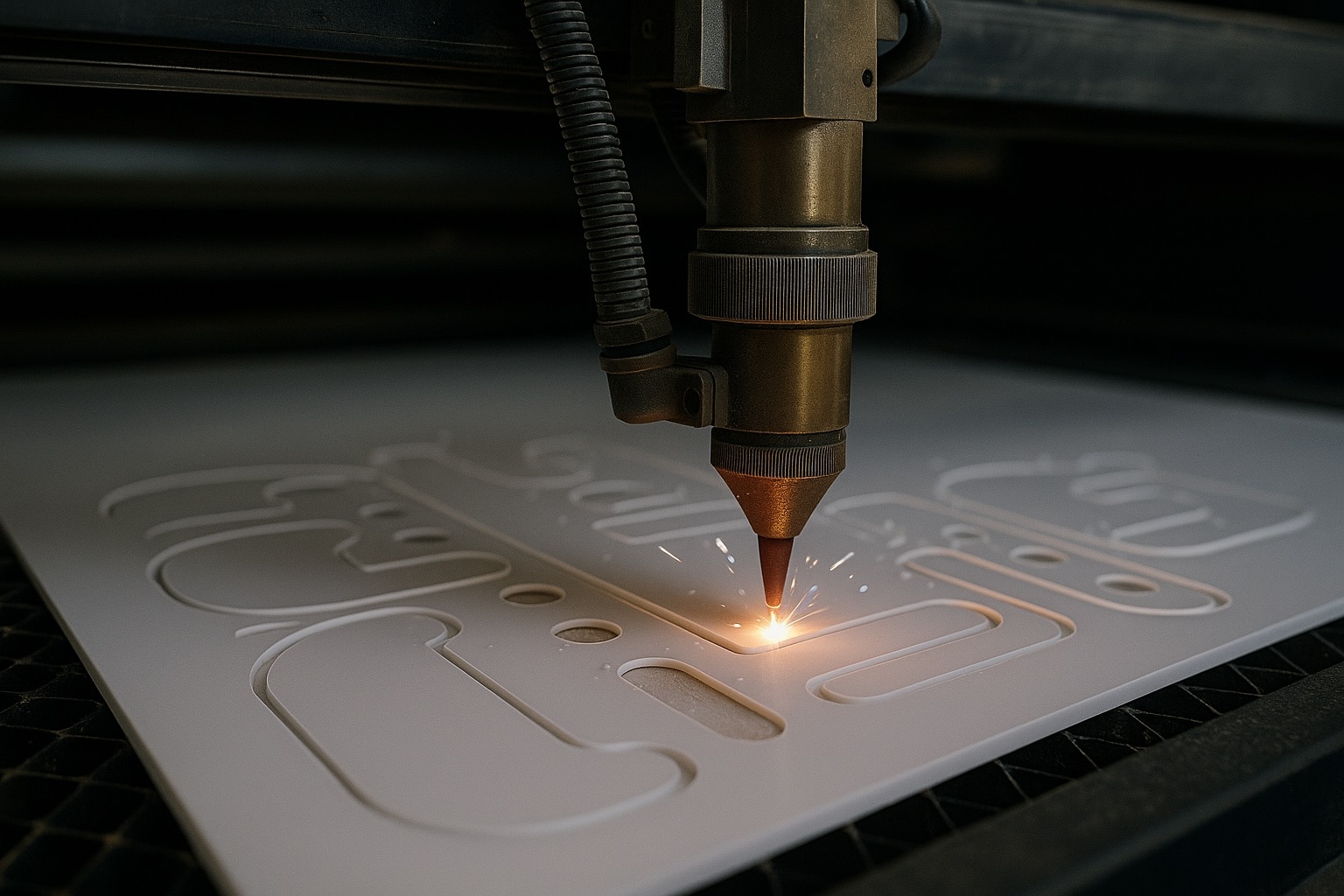
CNC laser cutting offers unmatched precision. It cuts complex shapes with ease, making it ideal for detailed designs. The laser’s accuracy ensures each piece matches your specifications exactly. This technology is available in Australia, providing local businesses with cutting-edge solutions.
Laser cutting is efficient, reducing waste and saving time. It’s perfect for both small and large projects, offering versatility to professionals and DIY enthusiasts alike.
By addressing these common issues, you can improve your craftsmanship and achieve outstanding results. Remember, the right tools and techniques make all the difference.
Learn how to avoid costly mistakes with plastic materials