
Common Plastic Fabrication Problems (and How to Solve Them)
Plastic fabrication in Australia often throws up tricky challenges that can stall your project fast. Whether you’re cutting acrylic sheets or shaping polycarbonate with CNC laser cutting, small issues can cause big headaches if left unchecked. This guide breaks down common problems and shows you how to fix them, so your cut-to-size plastic sheets and thermoforming jobs run smoothly every time. Ready to get it right first go? Enquire online or chat with our Gold Coast team for expert advice and fast local turnaround.
Troubleshooting Common Fabrication Issues

Every project has its hurdles, but knowing what to expect can streamline your work. In plastic fabrication, understanding common pitfalls is half the battle. Let’s explore how to keep your projects on track.
Tackling Warping and Distortion
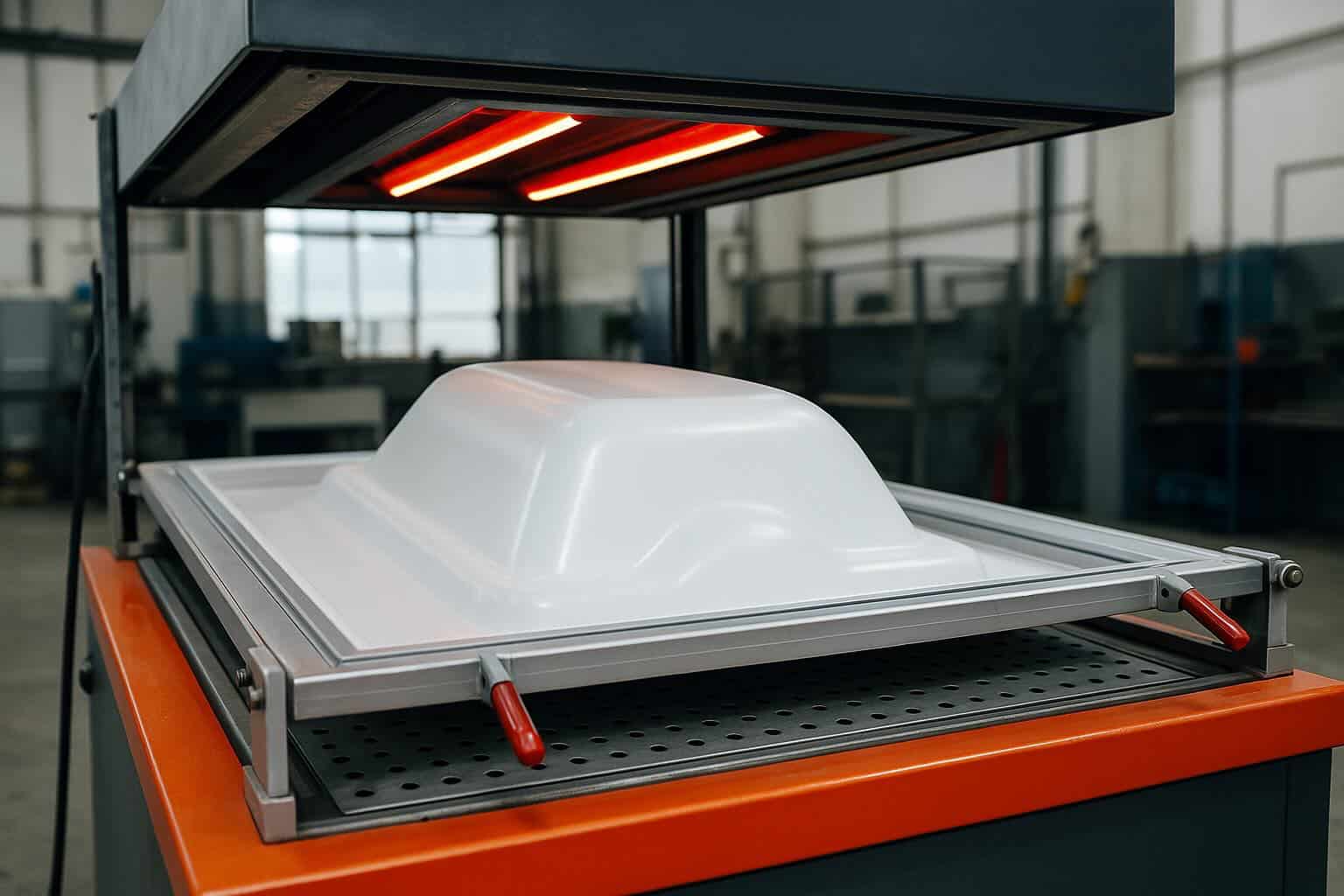
When working with various plastics, warping can be a real problem. Heat is often the culprit, causing uneven expansion. Keep an eye on your temperature settings. Too high, and your material may twist. Use a consistent cooling process to help maintain shape.
Choose materials wisely. For instance, acrylic can handle heat better than PVC. Opt for controlled environments when possible. This ensures consistent results, reducing surprises. Another trick is to use support fixtures during cooling. These can help the material hold its intended shape.
Preventing Material Scratching
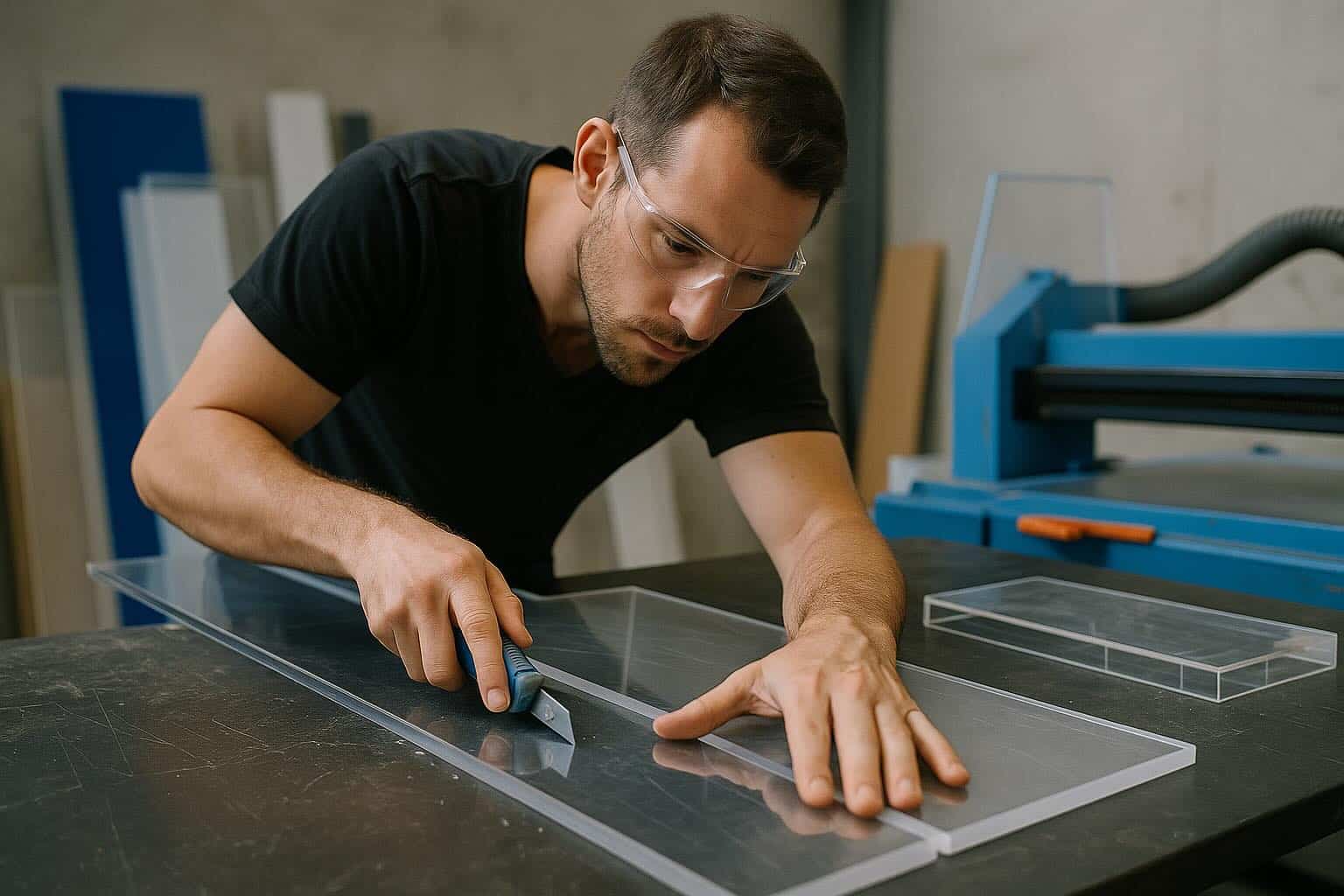
Scratches are more than just cosmetic. They can weaken the material. Protect your work area by using soft surfaces during the cutting or shaping process. Handle materials with clean hands. Dirt or oils can cause scratches, even if they’re not visible at first.
Use the right tools. Blunt or inappropriate equipment can damage the surface. Consider using protective films during handling and storage. These barriers help keep scratches at bay, ensuring your materials look their best when finished.
Solutions for Cutting Challenges
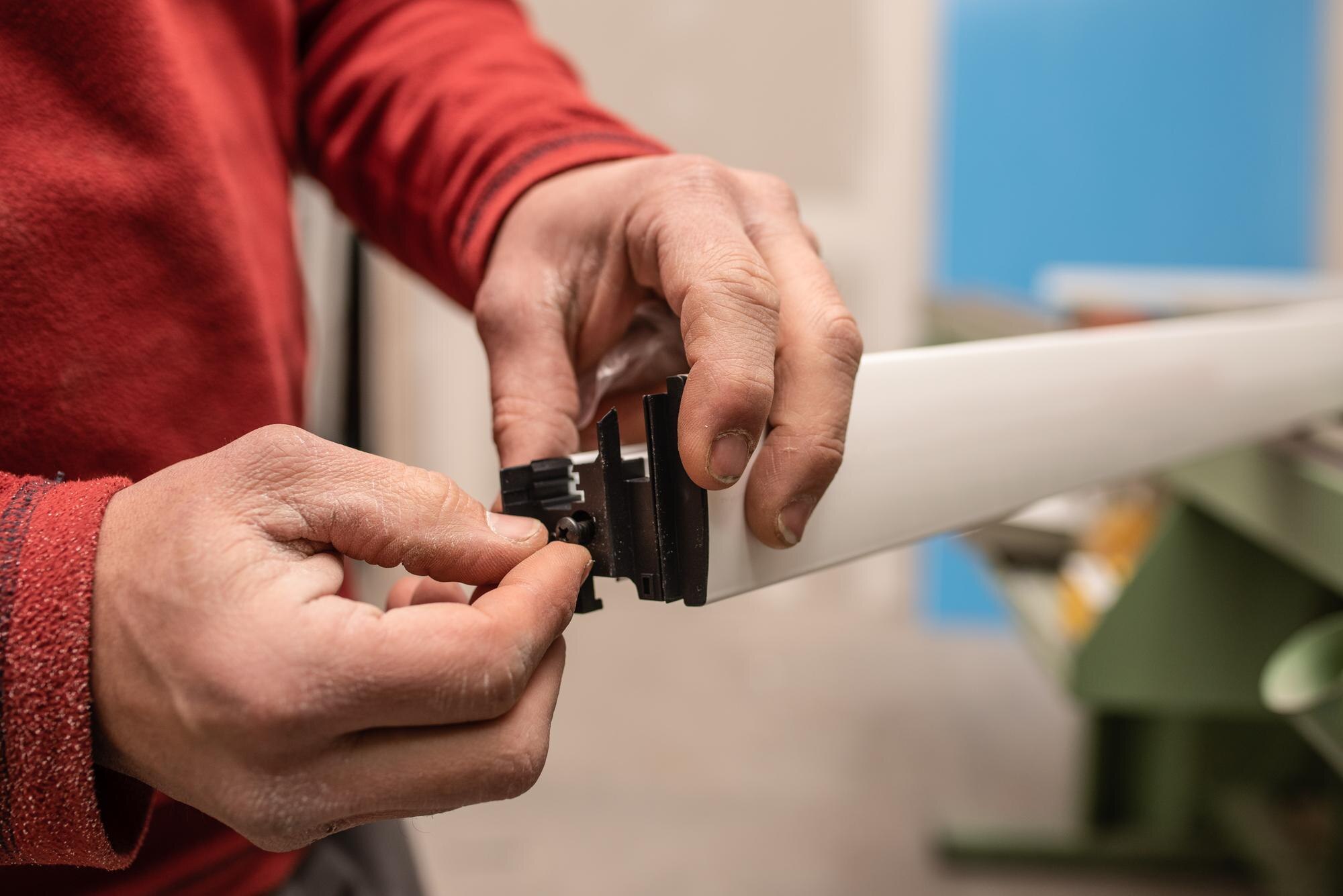
Cutting plastics to size requires precision and care. Different plastics demand different approaches. Understanding these needs is key to success.
Achieving Tight Tolerances
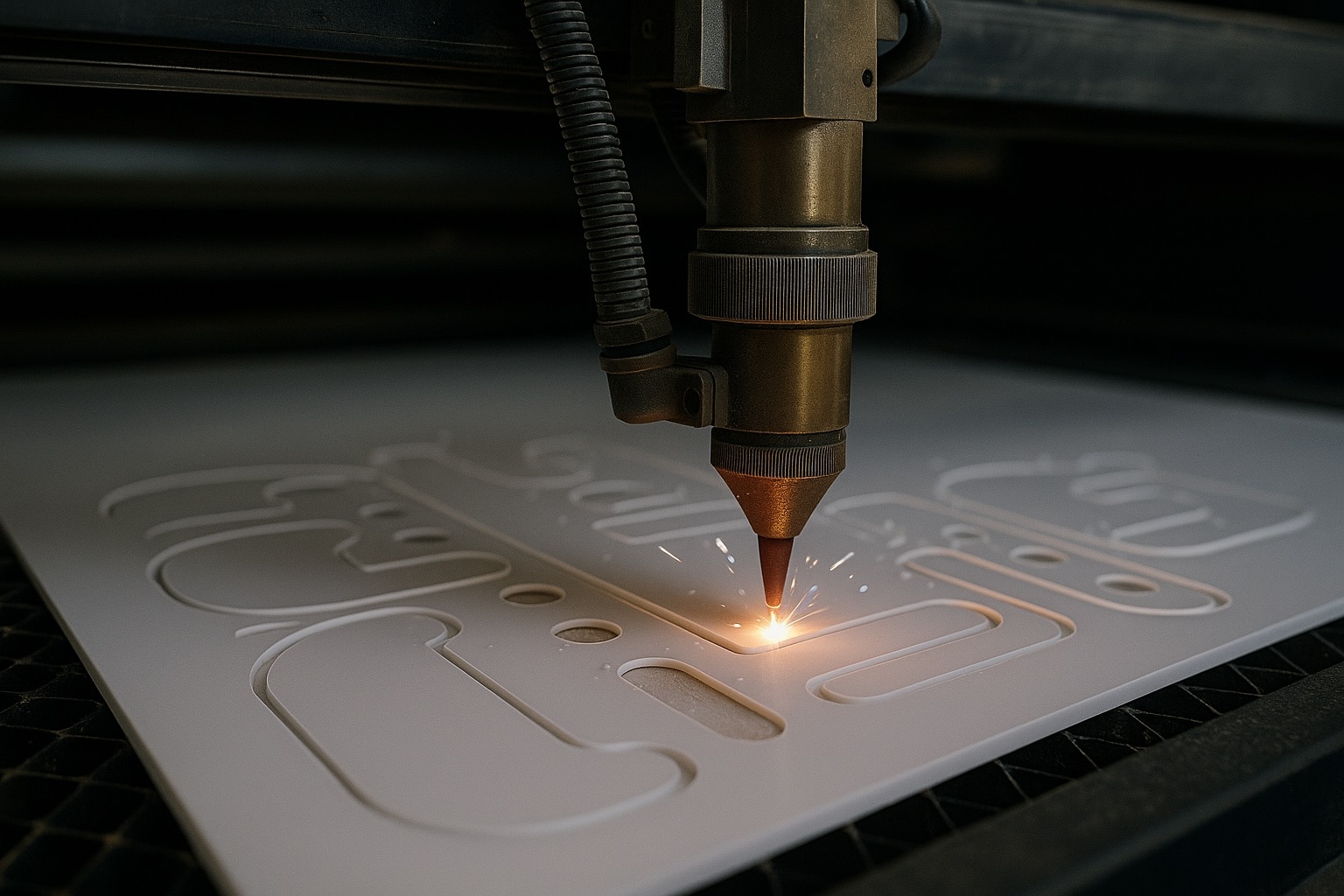
Precision is everything in cutting. Tight tolerances mean your parts fit together perfectly. Use CNC laser cutting for the best results. It offers accuracy that manual methods can’t match. Make sure your equipment is in top shape. Regular maintenance and calibration are essential for precision.
Remember, slower cuts often mean better results. Rushing can lead to errors. Practise patience and measure twice, cut once. This mantra saves time and material in the long run.
Choosing the Right Cutting Method
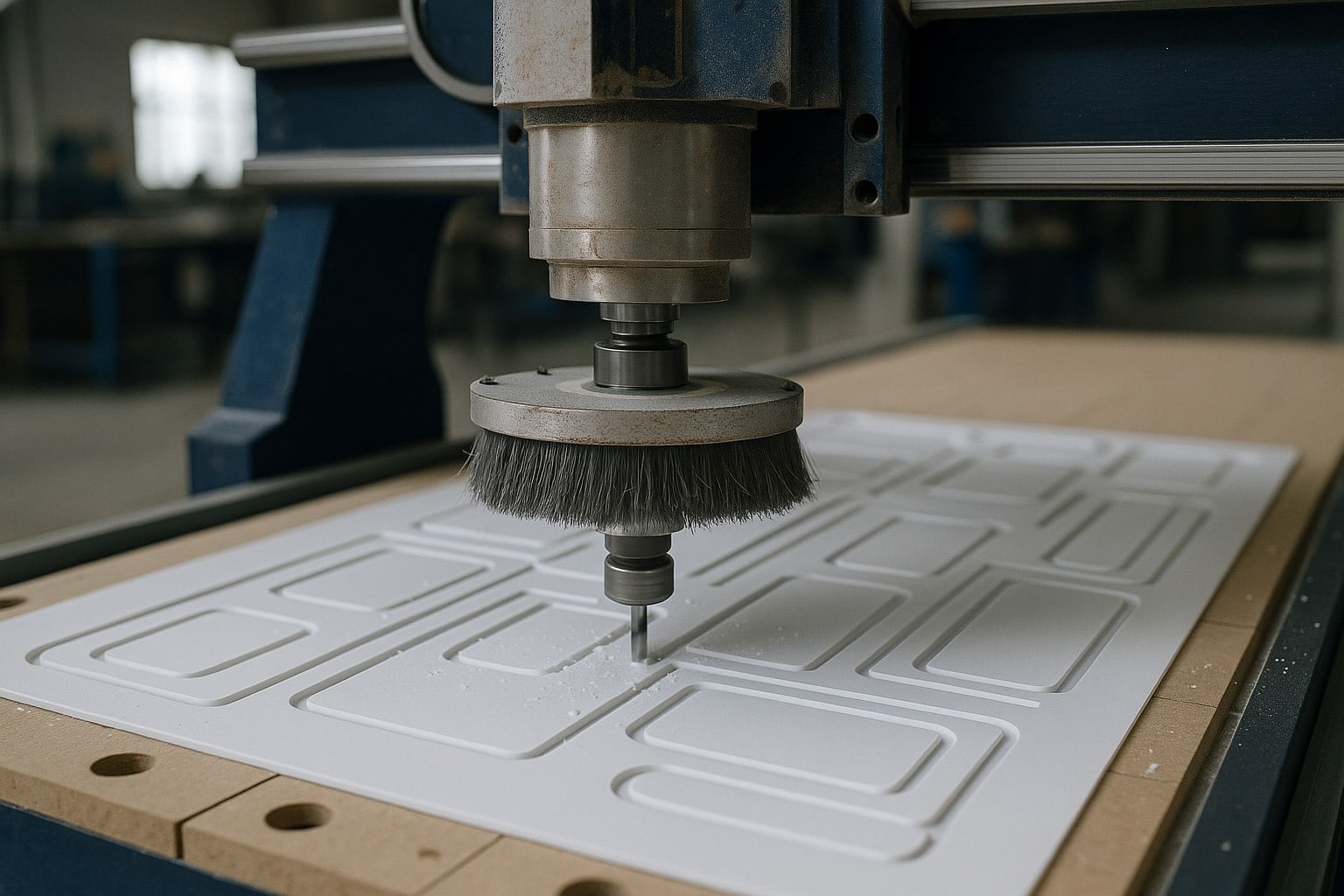
Not all plastics are the same, and neither are cutting tools. CNC water jet cutting and laser cutting serve different purposes. Water jets are great for thicker materials, while lasers excel with thinner sheets. Choose based on your project’s needs.
Understand the material’s properties. Some, like HDPE, require specific settings. Research and test before committing to large runs. This way, you avoid costly mistakes and ensure quality.
Mastering Bonding and Assembly
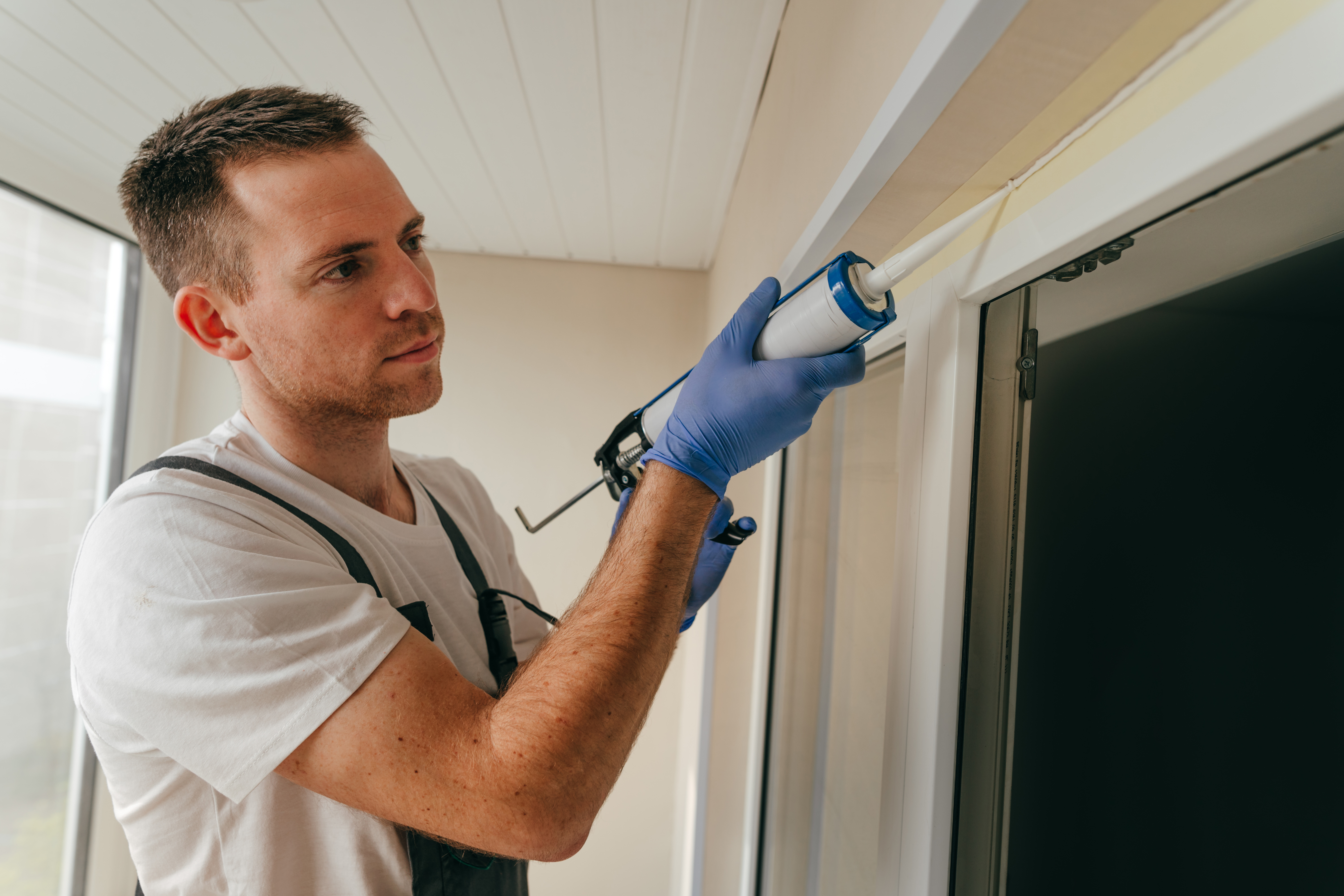
Strong bonds and seamless assembly set the foundation for durable products. Let’s delve into how to achieve both effectively.
Effective Adhesive Selection
Picking the right adhesive is crucial. It’s not one-size-fits-all. Acrylic and polycarbonate need different glues. Choose based on compatibility. Check manufacturer guidelines for recommendations.
Consider curing times. Some adhesives take longer to set. Plan your project timeline accordingly. Test bonds on a small piece first. This ensures the adhesive performs as expected.
Ensuring Strong Joints and Seals
Sealing is about more than glue. It’s about ensuring longevity. Even pressure during bonding makes a difference. Use clamps or presses for uniform contact. This step is often overlooked but vital.
Inspect seals regularly. Small gaps can lead to larger issues. Address them early to prevent further damage. With the right approach, your project stays robust and reliable.
By understanding these common challenges and their solutions, you’re well on your way to successful plastic fabrication. For more insights, check these resources. Remember, preparation is key, and with the right tools, your project will thrive.
Learn how to avoid costly mistakes with plastic materials