
Cold weather can turn the toughest plastics brittle overnight. Choosing the wrong material wastes time and money with costly rework. This guide cuts through the confusion, helping you pick the right cold weather plastics fast. Whether you need impact-resistant plastic winter sheets or freezer safe plastics, we’ll show you what works and why. Keep your projects moving with materials built for winter’s worst. Check out more here.
Selecting Cold Weather Plastics
Selecting the right plastic for cold weather is vital for ensuring your projects withstand the challenges of low temperatures. Here’s how to make informed choices.
Understanding Low Temperature Plastics
Low temperature plastics are designed to maintain their properties in cold climates. They resist brittleness and cracking, ensuring durability. Key types include polycarbonate and HDPE, which are known for their strength in chilly conditions. In colder regions like Victoria and Tasmania, using these materials can prevent costly rework and delays. For more on selecting the right material, visit Atlas Fibre.
Importance of Glass Transition Temperature
The glass transition temperature (Tg) is crucial when evaluating plastics for cold use. It indicates the temperature at which a material becomes brittle. Choose plastics with a Tg below your environment’s coldest temperatures to avoid failures. Materials like UHMWPE, which have a low Tg, excel in sub-zero conditions. This ensures your projects remain robust, even in extreme cold.
Freezer Safe Plastics for Cold Rooms
For applications in cold rooms or freezers, selecting the right plastic is essential. Freezer safe plastics, such as PTFE and Acetal, offer excellent performance. These materials maintain flexibility and strength in low temperatures, making them ideal for cold storage and processing environments. Ensure your operations run smoothly with these dependable options.
Choosing the Right Materials
With the basics covered, let’s dive into choosing the best materials for your winter projects.
Impact Resistant Plastics for Winter
Winter conditions demand plastics that can withstand impact and stress. Polycarbonate is a top contender, known for its high impact resistance and clarity. It’s perfect for outdoor glazing and protective barriers. In contrast, HDPE offers toughness and chemical resistance, making it suitable for structural applications. Choosing the right material ensures your projects remain damage-free and reliable.
Comparing Polycarbonate vs Acrylic
Polycarbonate and acrylic are popular choices for cold climates. Polycarbonate excels in impact resistance, while acrylic offers better optical clarity. Both materials can be used for outdoor signage and glazing. However, polycarbonate’s toughness makes it a better choice for areas prone to physical stress. Evaluate your project’s specific needs to make the best choice.
HDPE and UHMWPE for Sub-Zero Conditions
When dealing with extremely low temperatures, HDPE and UHMWPE are excellent options. HDPE provides good impact strength and cost efficiency, ideal for general structural applications. UHMWPE is known for its exceptional abrasion resistance and low friction, perfect for wear strips and sliding surfaces. These materials offer durability and reliability in harsh winter conditions.
Practical Tips for Orders
Once you’ve selected your materials, streamline your ordering process with these tips.
Cut to Size Plastic Sheets in Australia
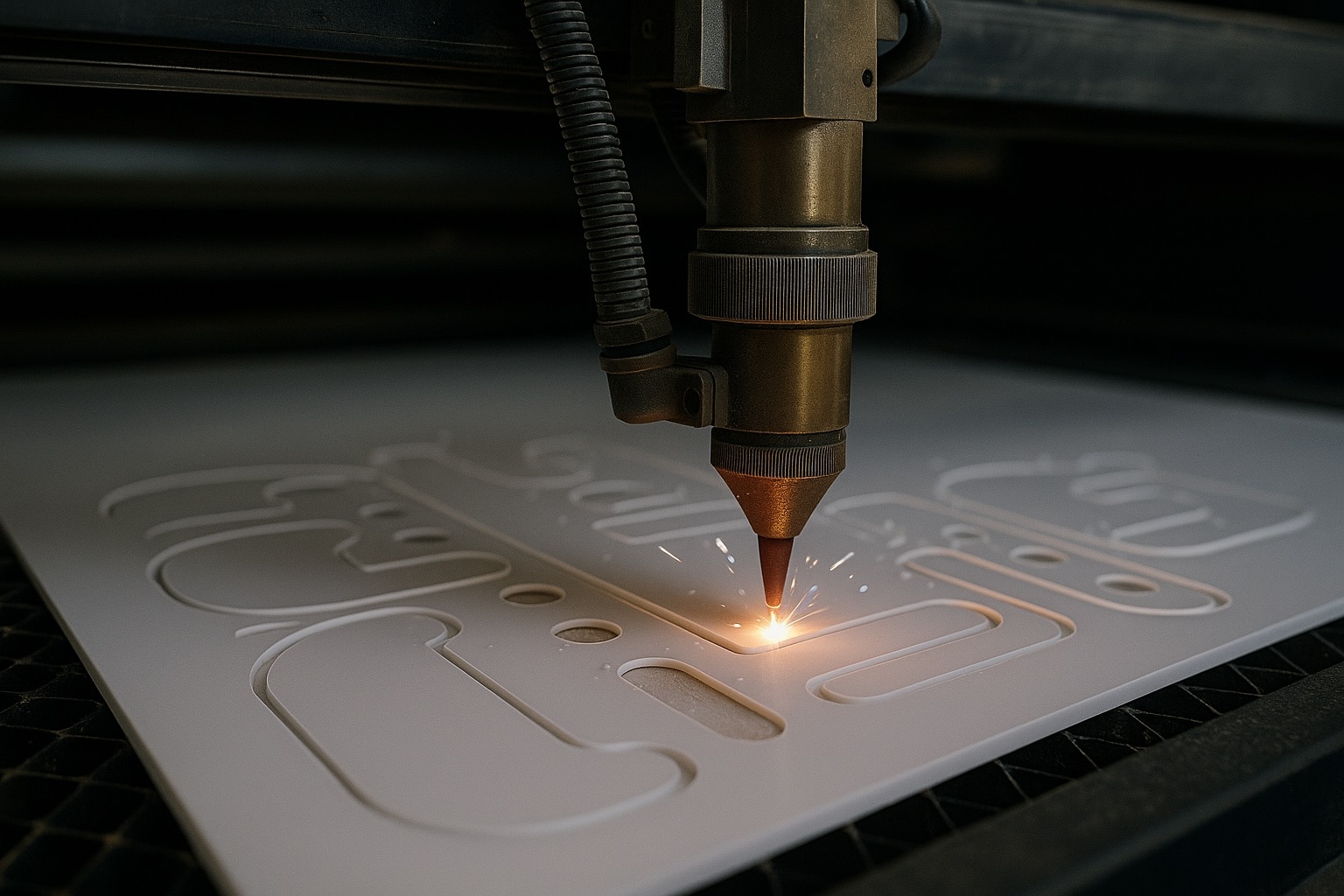
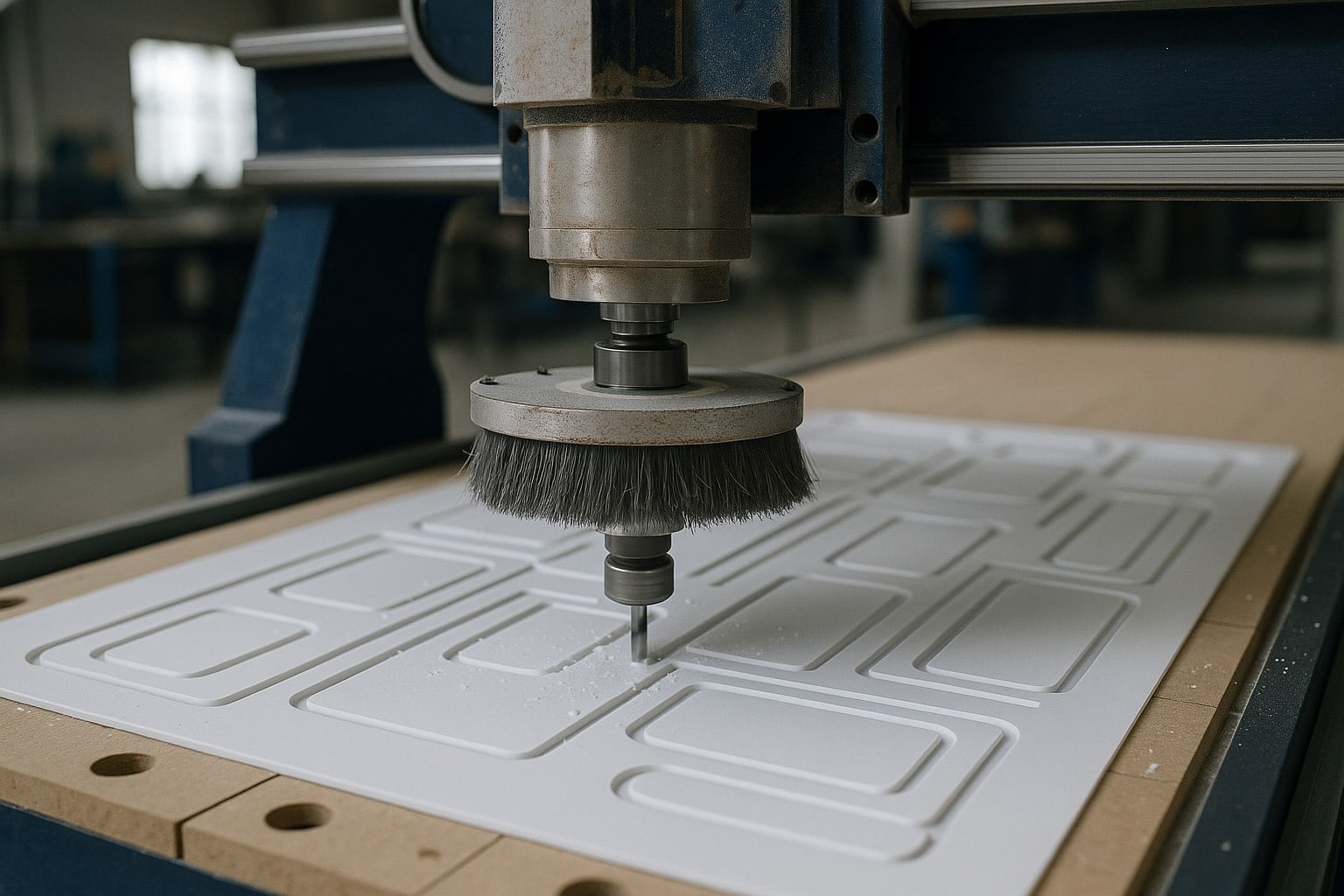
For custom projects, ordering cut-to-size sheets saves time and reduces waste. Many suppliers offer this service, allowing you to specify dimensions and shapes. This ensures you receive materials ready for immediate use. See how easy it is with Quandaplastic.
Fast Plastic Delivery Services
Speed is crucial when dealing with time-sensitive projects. Opt for suppliers offering fast delivery to ensure materials arrive when needed. Look for local providers in VIC and TAS, where quick turnaround times can keep your projects on track. Reliable delivery services help you avoid costly delays.
Reliable Plastic Suppliers in VIC, TAS, and Beyond
Choosing a dependable supplier is essential for consistent quality. Look for suppliers with local production capabilities and a reputation for reliability. This ensures you receive high-quality materials and excellent service. Building a relationship with a trusted supplier can streamline future orders and provide peace of mind.
By understanding these aspects of cold weather plastics, you can confidently select materials that ensure your projects succeed in even the harshest conditions.
Take advantage of our winter project specials now