
CNC laser vs water jet cutting for plastics: which method suits your project?
CNC laser cutting plastics and water jet cutting plastics both offer precise ways to shape your project’s plastic parts. But choosing the right method depends on your material, thickness, and finish needs. We’ll break down key factors like tolerances, edge quality, speed, and cost to help you pick the best option for your next job. Ready to get started with expert advice and fast quotes from Australia’s trusted Gold Coast plastic supplier? Check out this guide on laser cutting vs water jet cutting.
CNC Laser Cutting vs. Water Jet Cutting
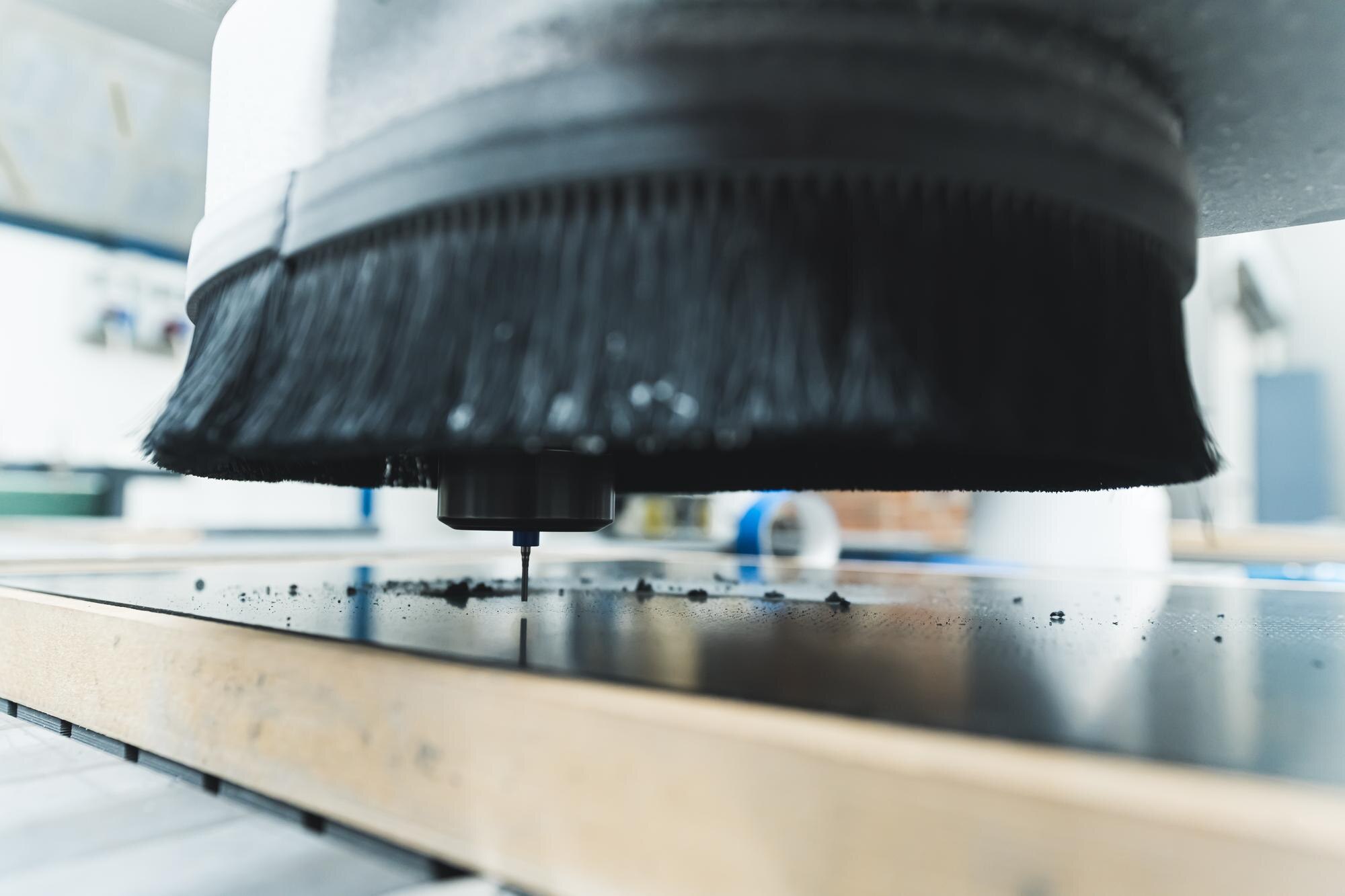
Choosing between CNC laser cutting and water jet cutting can seem daunting, but understanding each method’s unique strengths can simplify the process.
Understanding Cutting Methods
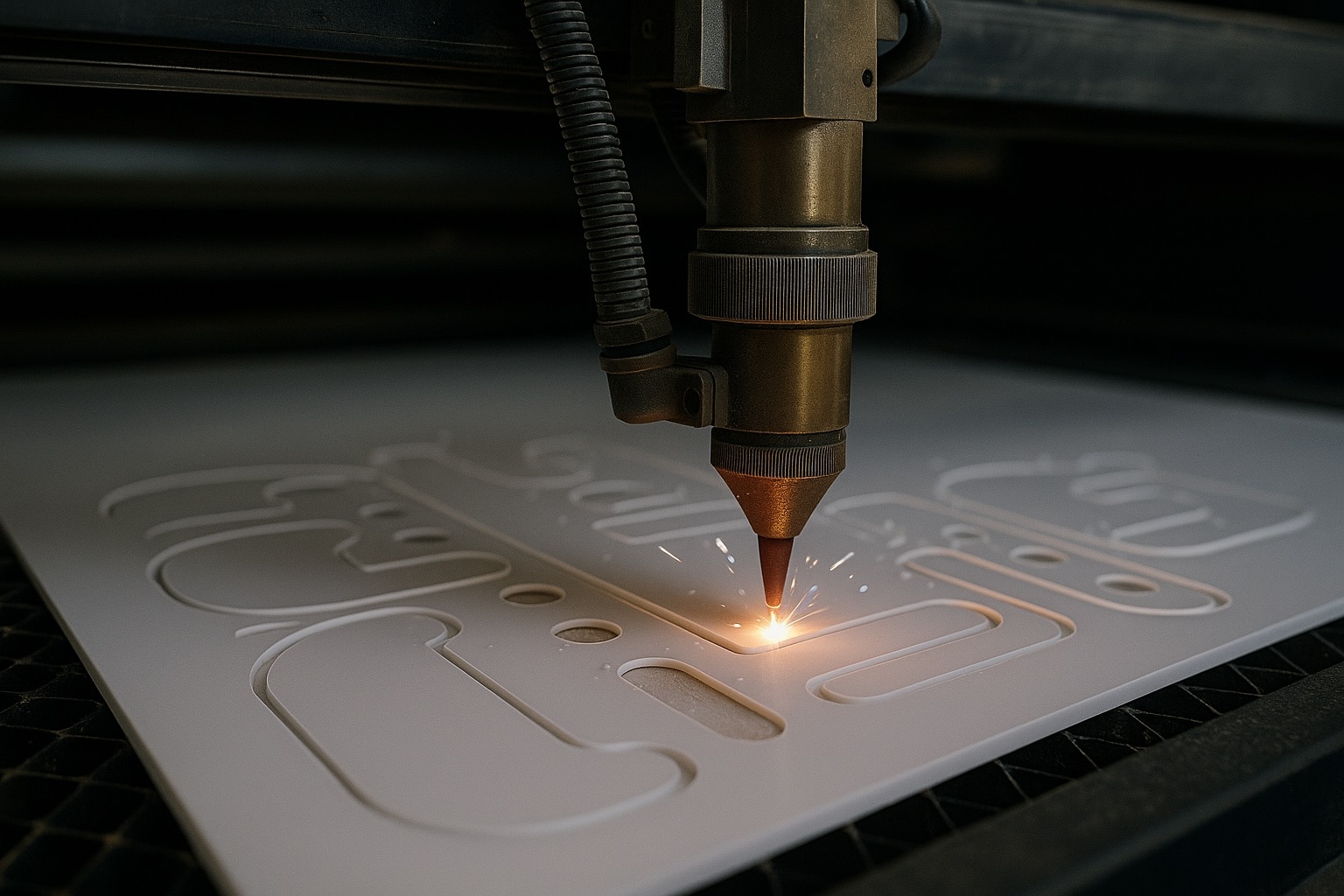
Both CNC laser and water jet cutting offer precision, but they achieve it differently. A CNC laser uses a focused beam of light, ideal for intricate designs. In contrast, a water jet employs high-pressure water mixed with abrasives, suitable for thicker materials. Each method offers distinct benefits based on your project’s needs. Discover more about these techniques and their applications in this detailed guide.
Key Differences and Benefits
Let’s explore what sets these methods apart. CNC laser cutting excels in speed and detail, making it perfect for intricate patterns on materials like acrylic and PETG. It’s highly efficient, especially for thin sheets. On the other hand, water jet cutting is versatile, handling materials that are sensitive to heat, like HDPE and polycarbonate, without altering their properties. Its cold cutting process reduces thermal distortion, crucial for maintaining integrity. Learn more about these benefits in this comparison.
Where Each Method Excels
Each method shines in specific scenarios. CNC laser cutting is unbeatable for projects demanding high precision with a smooth finish on thinner plastics. It’s also excellent for achieving tight tolerances. Water jet cutting, however, handles thicker and more robust materials where edge quality and absence of a heat-affected zone (HAZ) are priorities. This method is ideal for cutting industrial plastic components, providing versatility across various applications.
Technical Considerations for Precision Cutting
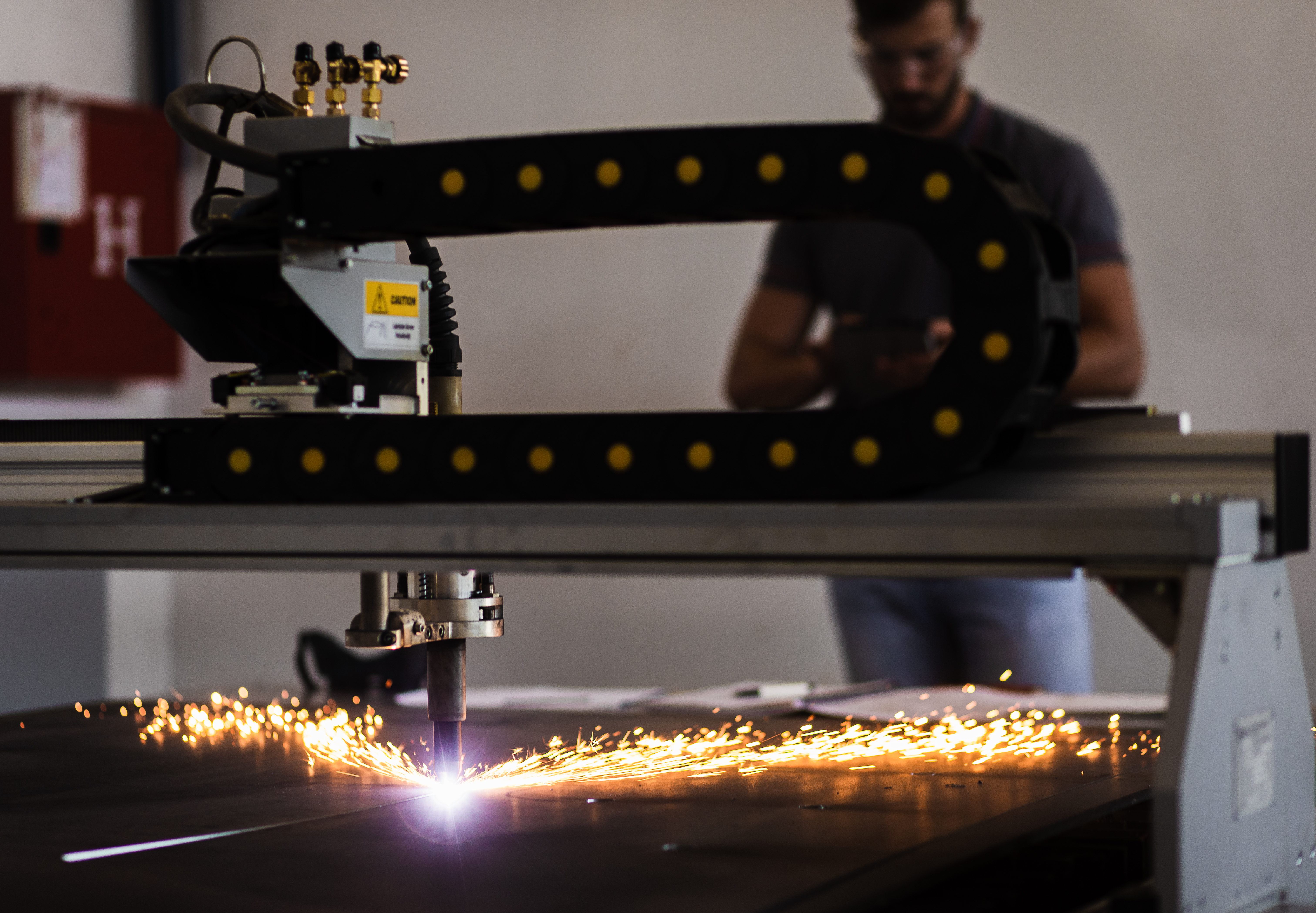
Understanding the technical details ensures you choose the right method for your project. Let’s delve into tolerances, material compatibility, and more.
Tolerances and Edge Finishes
Tolerances refer to the allowable variation in dimensions, crucial for parts that need to fit together. Laser cutting offers tighter tolerances, perfect for parts that require precision. Its heat can affect edge finishes, though. In contrast, water jet cutting provides excellent edge finishes without heat, maintaining material integrity. For projects where edge quality is paramount, water jet cutting is often preferred.
Material Compatibility and Thickness
Not all methods suit every material. CNC laser cutting works well with materials like acrylic, offering precise cuts and smooth edges. However, thicker plastics might not fare as well. Water jet cutting, on the other hand, handles a wider range of materials, including thicker polycarbonate and HDPE, thanks to its cold-cutting process. It’s a go-to for projects involving diverse material requirements.
Speed and Cost Factors
Cost efficiency and speed are often deciding factors. CNC laser cutting is generally faster, translating to lower costs for high-volume jobs. However, the initial setup might be pricier. Water jet cutting is slower but excels in versatility and quality, especially for complex materials. Balancing speed and cost with quality needs often guides the choice. For insights on production costs and efficiency, check out this industry analysis.
Choosing the Right Method for Your Project
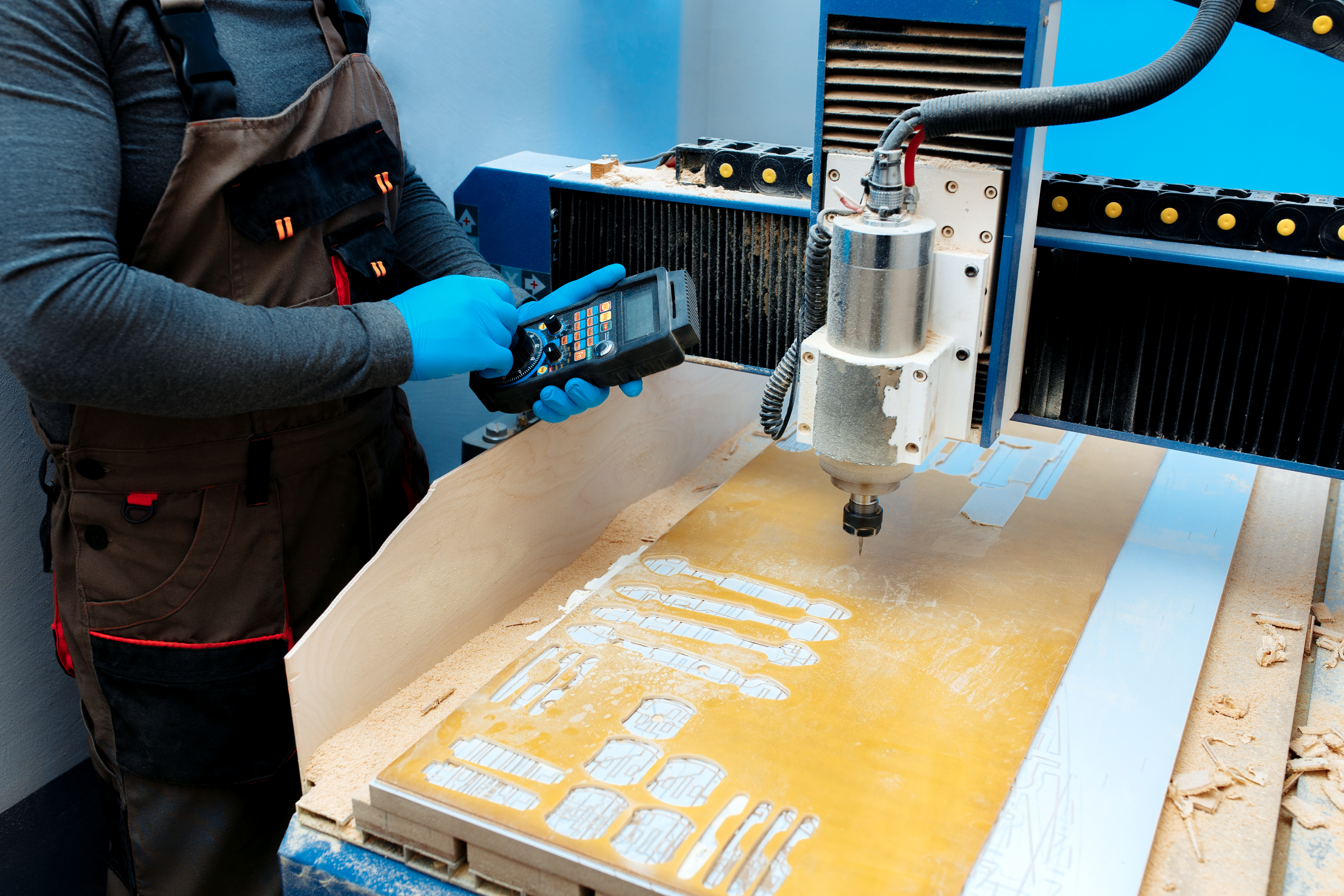
Making the right choice requires considering your specific project needs, from application to material and precision requirements.
Application-Specific Recommendations
Different applications call for different approaches. For detailed signage and delicate components, CNC laser cutting is the way to go. It offers the precision needed for intricate designs. For larger, structural pieces where material integrity is crucial, water jet cutting is advisable due to its non-thermal nature.
Leveraging Local Expertise
Partnering with local experts can make a significant difference. At Plastic Online, our team provides tailored advice, ensuring you get the most suitable cutting method for your needs. Whether you’re a DIY enthusiast or a contractor, leveraging our expertise can simplify your decision-making process. Our Gold Coast plastic fabrication team is ready to assist with any queries.
Getting Started with Plastic Online
Ready to start your project? Plastic Online offers comprehensive services, from material supply to precision cutting and expert advice. With facilities in Burleigh and Molendinar, we ensure quick, reliable service across Australia. Trust us to deliver your plastic solutions, crafted with precision and care. Contact us today for a quote and experience the convenience and quality that sets us apart in the industry.
Get precision-cut plastics tailored for your project’s success