
Cutting plastics the wrong way wastes your time and money. Choosing between CNC laser cutting and water jet cutting isn’t always clear, especially when deadlines loom and accuracy matters. We break down which method suits your plastic job—from acrylic signage to thick polycarbonate—so you can order right the first time and get fast, reliable results from Plastic Online’s Gold Coast facilities. For more information, visit our comprehensive guide.
Choosing the Right Cutting Method
When it comes to slicing through plastics, two cutting methods frequently stand out: CNC laser cutting and water jet cutting. Both have their unique strengths. How do you decide which one is right for your project?
Key Differences in Cutting Techniques
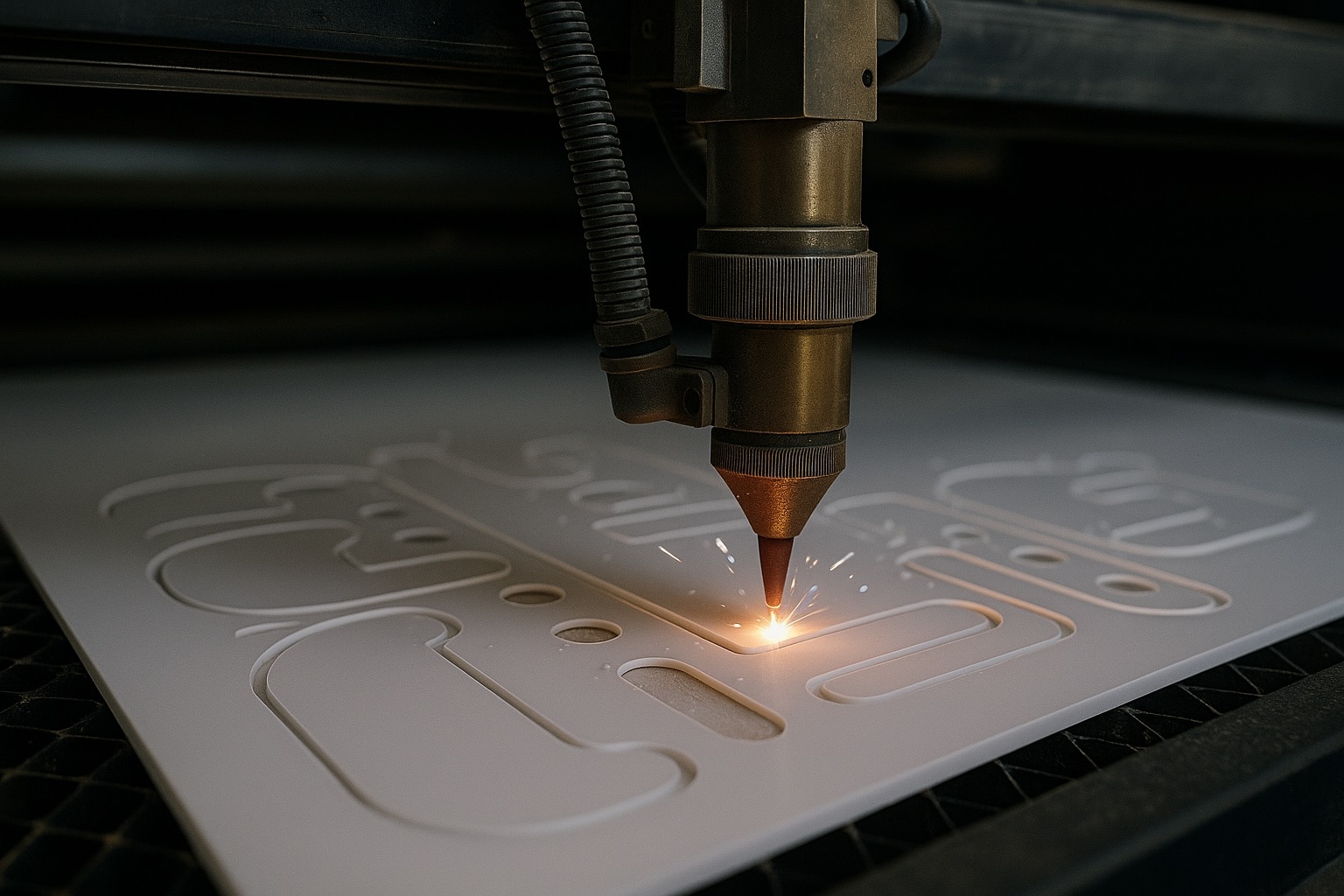
Understanding the main differences can save you time and reduce errors. Laser cutting uses focused light to slice through materials with precision, while water jet cutting uses high-pressure water, sometimes mixed with abrasives, to carve through tougher materials without heat.
-
Laser Cutting: Best for thin materials and projects needing intricate designs.
-
Water Jet Cutting: Ideal for thicker, heat-sensitive materials like polycarbonate.
For more details, check out this detailed comparison.
Factors to Consider in Plastic Cutting
Choosing the right method involves considering several factors. Material type, thickness, and the desired finish are crucial. For instance, acrylic might be better suited for laser cutting, offering smooth edges, while HDPE may benefit from a water jet approach to avoid melting.
-
Material Type: Acrylics vs. thicker materials
-
Edge Finish: Smooth (laser) vs. rugged (water jet)
-
Project Specifics: Intricate designs or robust cuts
Each method has its benefits, making it essential to weigh these aspects carefully.
Benefits of Each Method
Both methods offer distinct advantages. Laser cutting provides high precision and clean edges for signage, while water jet cutting tackles tougher materials without the risk of heat distortion. This is particularly beneficial for projects requiring robust cuts, like industrial components.
-
Laser Benefits: Accuracy and speed
-
Water Jet Benefits: Versatility and no heat distortion
For further insights, explore this resource.
CNC Laser Cutting for Plastics
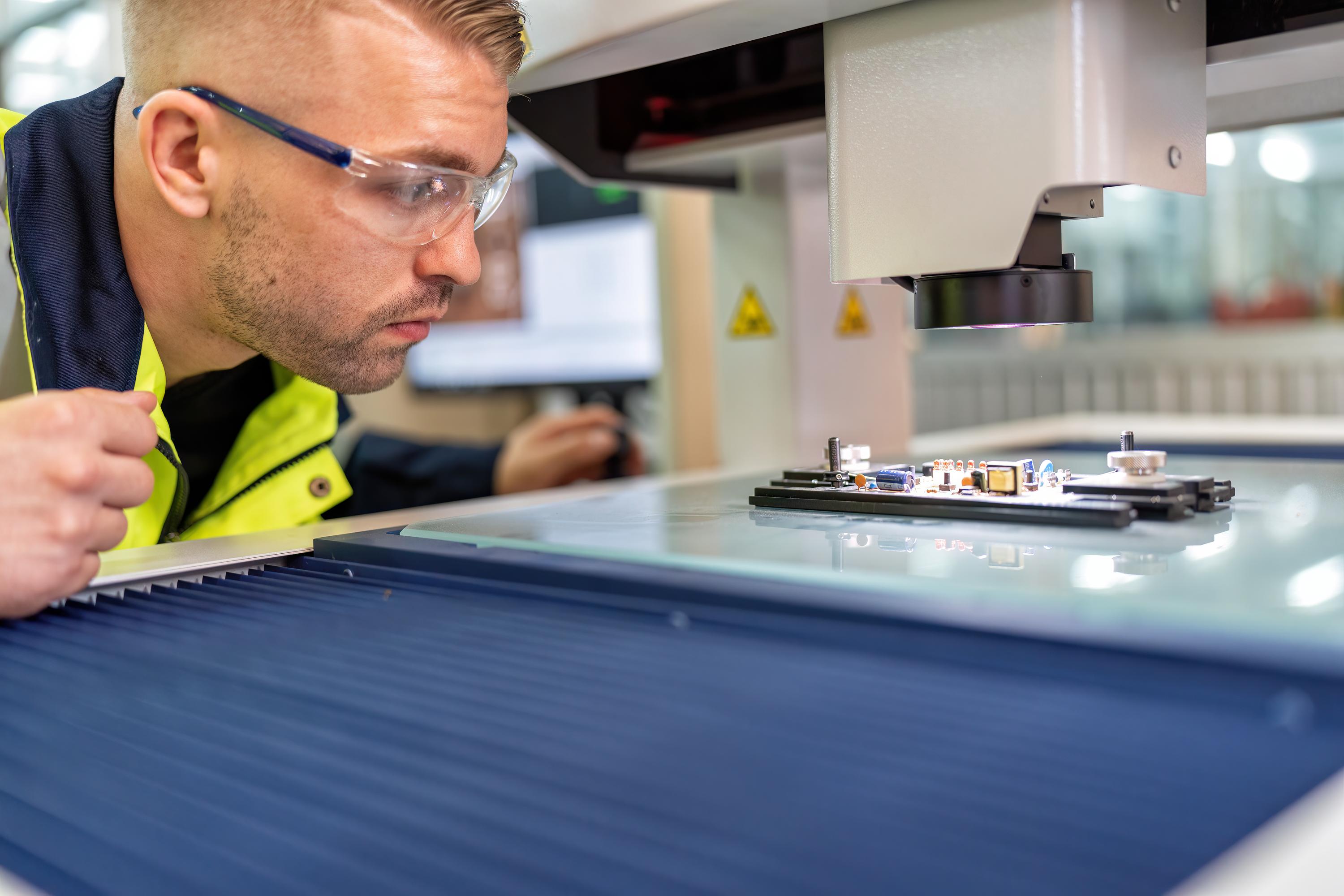
CNC laser cutting is a popular choice for many plastic projects. Its precision and speed make it ideal for businesses requiring detailed designs and clean finishes.
Ideal Applications and Materials
Laser cutting shines with materials like acrylic, offering a polished finish perfect for signage and displays. It’s also effective for cutting intricate designs with tight tolerances, making it a go-to for detailed projects.
-
Best Materials: Acrylic, lightweight plastics
-
Perfect Use Cases: Signage, display panels
Advantages of Acrylic Laser Cutting
Using lasers for acrylic ensures smooth edges without the need for further polishing. This method excels in creating detailed shapes like letters and logos, saving time on post-processing.
-
Smooth Edges: No additional finishing needed
-
Detailed Designs: Handles intricate patterns with ease
Precision and Edge Finish
One of the standout features of laser cutting is its precision. It delivers exact cuts with minimal waste, ensuring your projects meet exact specifications without unnecessary material loss.
-
Precision Cutting: Exact parts every time
-
Minimal Waste: Efficient material use
Water Jet Cutting for Plastics
Water jet cutting offers a unique approach, utilising high-pressure water to slice through tough materials without heat, perfect for projects involving heat-sensitive plastics.
Suitable Plastics and Uses
This method is well-suited for cutting thicker plastics like HDPE and polycarbonate. It’s a preferred choice when working with materials that might warp or melt under the intense heat of laser cutting.
-
Best for: Thick, heat-sensitive plastics
-
Popular Applications: Industrial components, robust parts
Benefits of Waterjet Cutting
Water jet cutting provides the versatility to handle a wide range of materials. Its ability to cut without generating heat means it won’t alter the material’s properties, a significant advantage in many applications.
-
No Heat Distortion: Maintains material integrity
-
Versatile Use: Cuts a variety of materials effectively
Explore more about water jet cutting here.
Avoiding Heat Affected Zones
One of the key advantages of water jet cutting is avoiding heat affected zones, which can compromise material strength. This is crucial for applications requiring the full strength of the original material.
-
Heat-Free Cuts: Preserves original strength
-
Material Integrity: Essential for structural components
Choosing the right cutting method can significantly impact your project’s success. By understanding the strengths of CNC laser and water jet cutting, you can ensure your plastic cutting needs are met with the precision and reliability your business demands.
See why our precise cutting and local manufacturing stand apart