
CNC Laser Cutting and Vacuum Forming: The Advantages That Power Smarter Plastic Projects
CNC laser cutting and vacuum forming plastics each bring unique strengths to your plastic fabrication projects. Knowing which method suits your needs helps you save time and get precise results every time. From sharp acrylic laser cutting edges to sturdy ABS vacuum forming parts, understanding the benefits, tolerances, and finishes lets you pick the right process for your job. Let’s break down what makes each option a smart choice for your next build. For more information, visit our website.
CNC Laser Cutting Basics
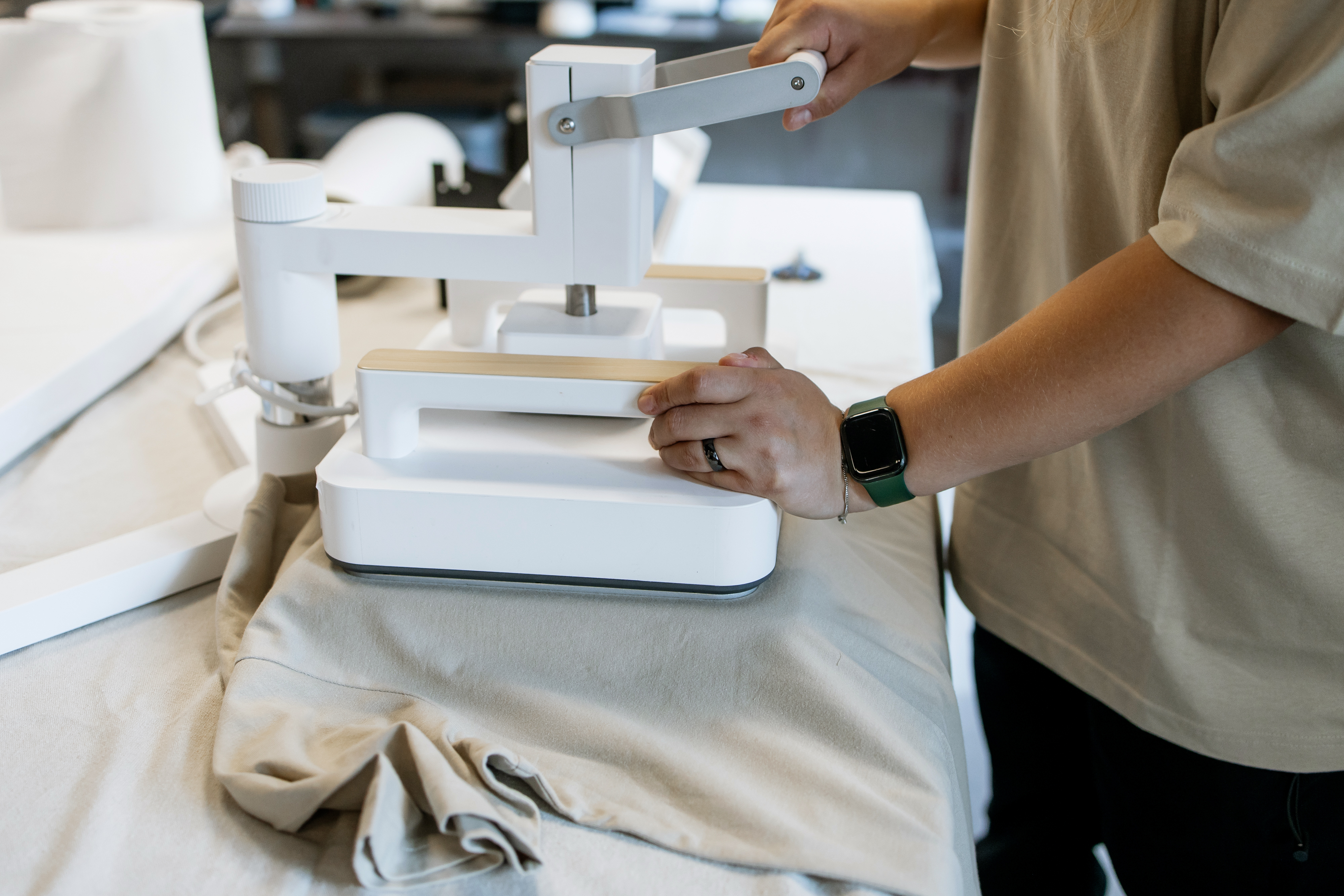
CNC laser cutting offers precision and efficiency, making it perfect for detailed projects. Let’s explore what makes it the go-to choice for many.
Precise Edge Capabilities
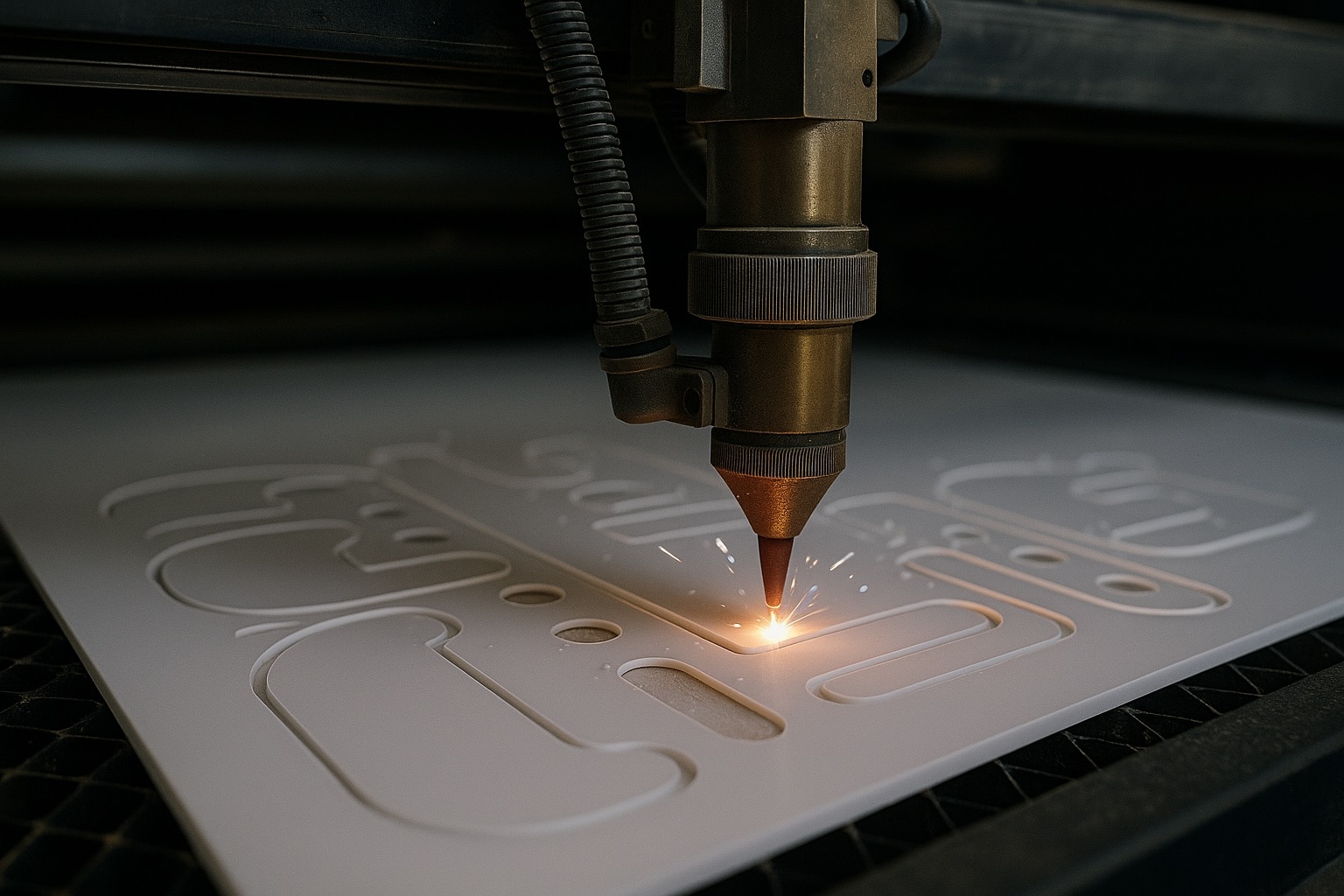
Imagine cutting materials with surgical precision. That’s what CNC laser cutting offers. The laser beam creates clean, sharp edges without any roughness. This means less manual finishing, saving you time and effort. Whether you’re cutting acrylic for display cases or intricate designs for signage, laser cutting ensures each piece fits perfectly.
The precision doesn’t just stop at the edges. With CNC laser technology, you can achieve detailed engravings and complex shapes. This makes it ideal for custom projects where every detail matters. You might think achieving such precision takes time, but laser cutting is swift, letting you complete projects faster than traditional methods.
Ideal Materials for Laser Cutting
Not all materials suit every cutting method. Laser cutting loves certain types. Acrylic, polycarbonate, and Perspex sheets are favourites. They melt cleanly, giving smooth edges. Metals like aluminium and steel are also popular, though plastics dominate CNC laser cutting projects.
Consider the thickness of your material. While lasers handle varying thicknesses, thinner materials often yield the best results. If your project involves complex shapes or detailed engravings, choosing the right material is crucial.
Benefits for DIY and Business
Why do both hobbyists and businesses love CNC laser cutting? It’s about the blend of precision and speed. DIY enthusiasts appreciate creating intricate designs without needing industrial tools. You can craft everything from home décor to model parts with ease.
For businesses, the benefits expand. Fast turnaround times mean meeting tight deadlines is possible. Customisation becomes easy, allowing you to offer tailored solutions to clients. Plus, the reduction in manual labour saves costs. Whether you’re a DIYer or running a business, CNC laser cutting opens doors to endless possibilities.
Understanding Vacuum Forming
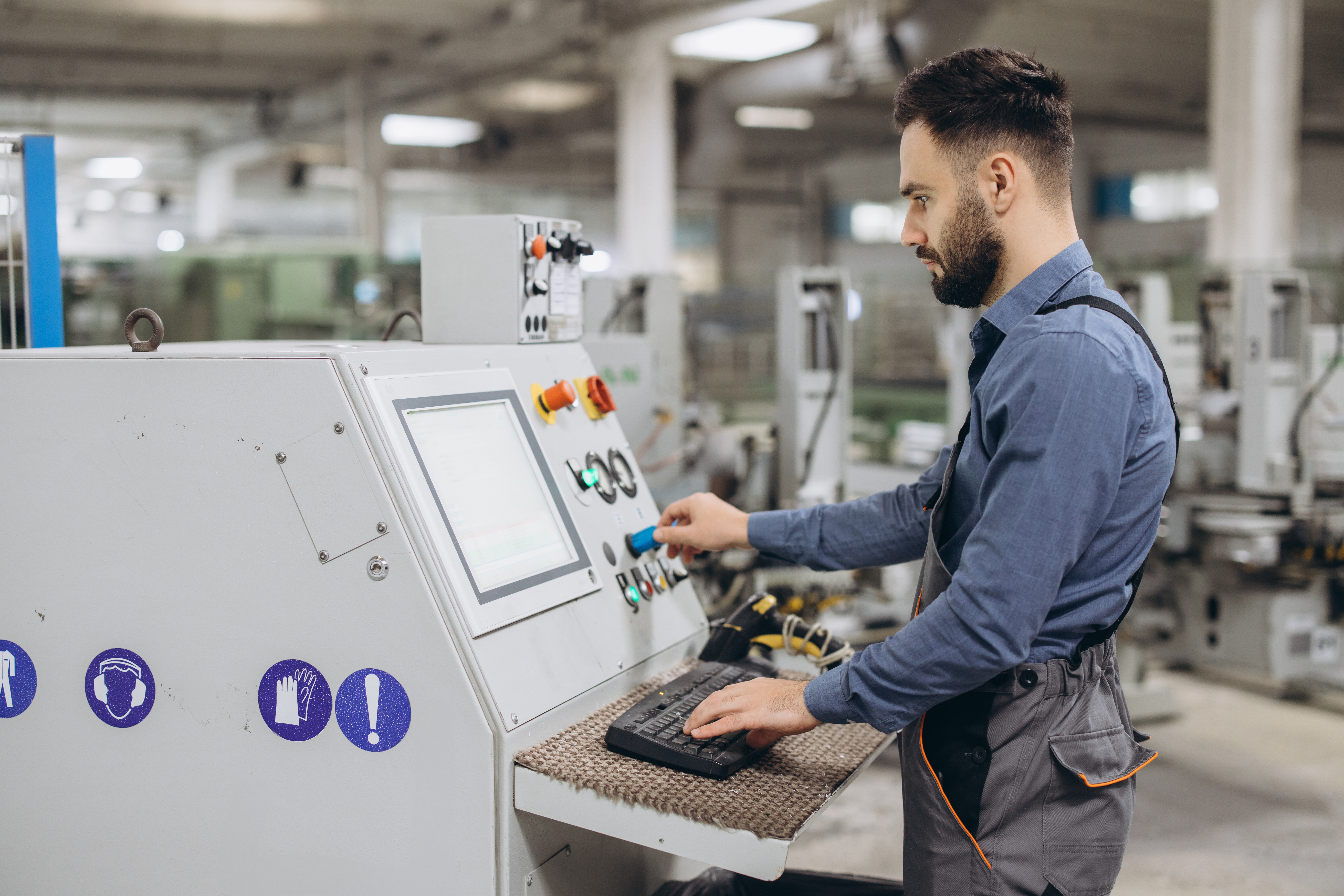
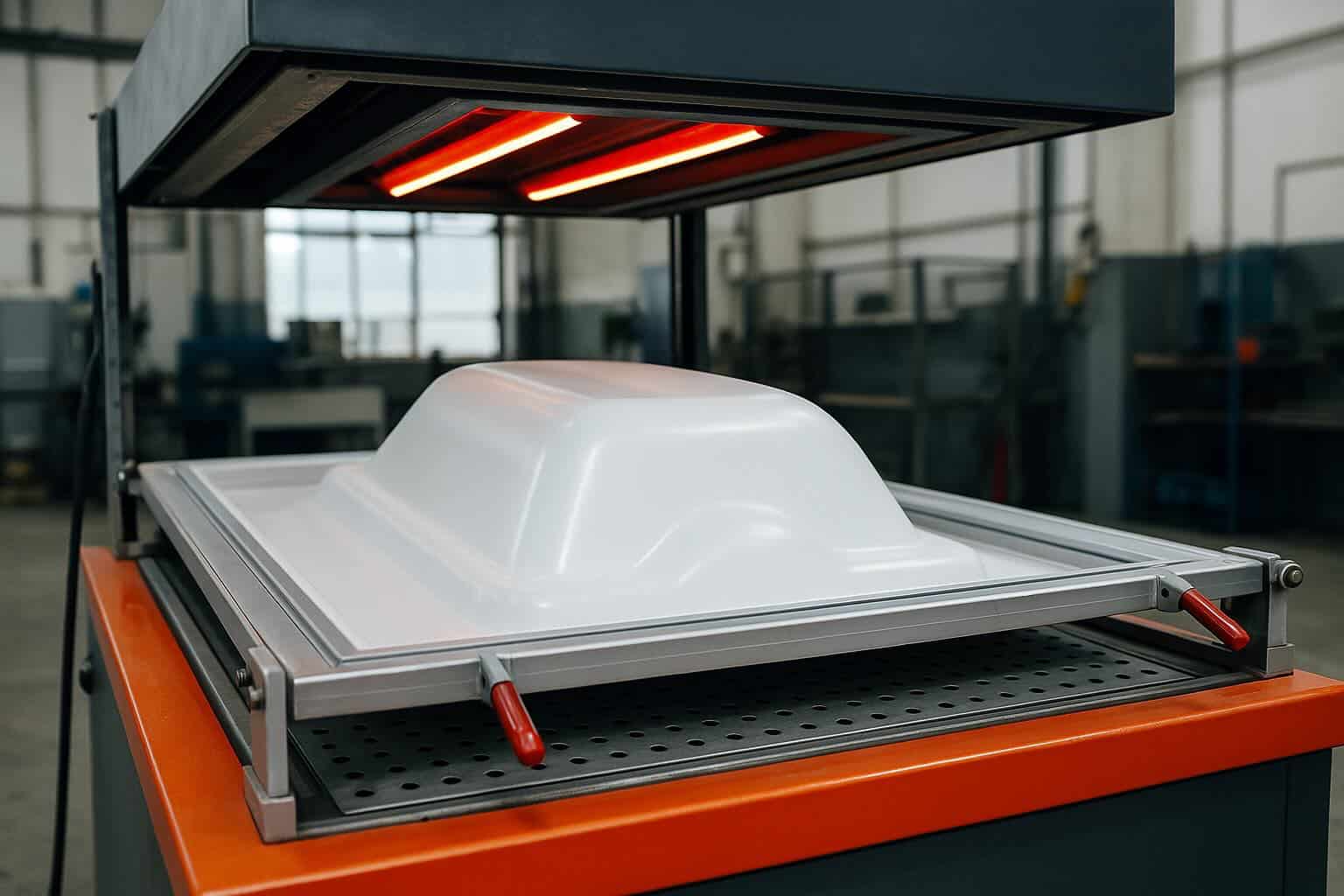
Vacuum forming is a versatile technique for shaping plastics. It excels in creating sturdy, hollow shapes. Let’s dive deeper into this process and its benefits.
Best Materials for Forming
When it comes to vacuum forming, material choice is crucial. ABS, polystyrene, and polycarbonate are among the top picks. These materials offer flexibility and strength, making them perfect for forming. ABS, for instance, is known for its durability and is often used in automotive parts and protective gear.
Noticing how different materials respond to heat is essential. Some materials become more pliable under heat, making them easier to mold. This characteristic is vital for achieving detailed shapes and consistent finishes in your projects.
Tolerances and Finishes
Precision doesn’t only matter in cutting. In vacuum forming, maintaining tolerances ensures each part fits as intended. This technique allows for tight tolerances, which is crucial in applications like packaging and product casing.
The finish is another highlight. Vacuum forming can produce smooth, seamless surfaces, reducing the need for additional finishing processes. This means you get parts production-ready right off the bat. It’s a time-saver that also ensures consistency across multiple pieces.
Practical Applications
Need inspiration? Think beyond the obvious. Beyond traditional uses like packaging, vacuum forming is perfect for creating custom displays and point-of-sale items. Its strength and versatility make it ideal for protective covers and machine guards.
The longer you wait to explore vacuum forming, the more opportunities you might miss. From prototypes to fully-fledged products, this technique is a smart choice. It offers a mix of durability and adaptability that few other methods can match.
Choosing the Right Process
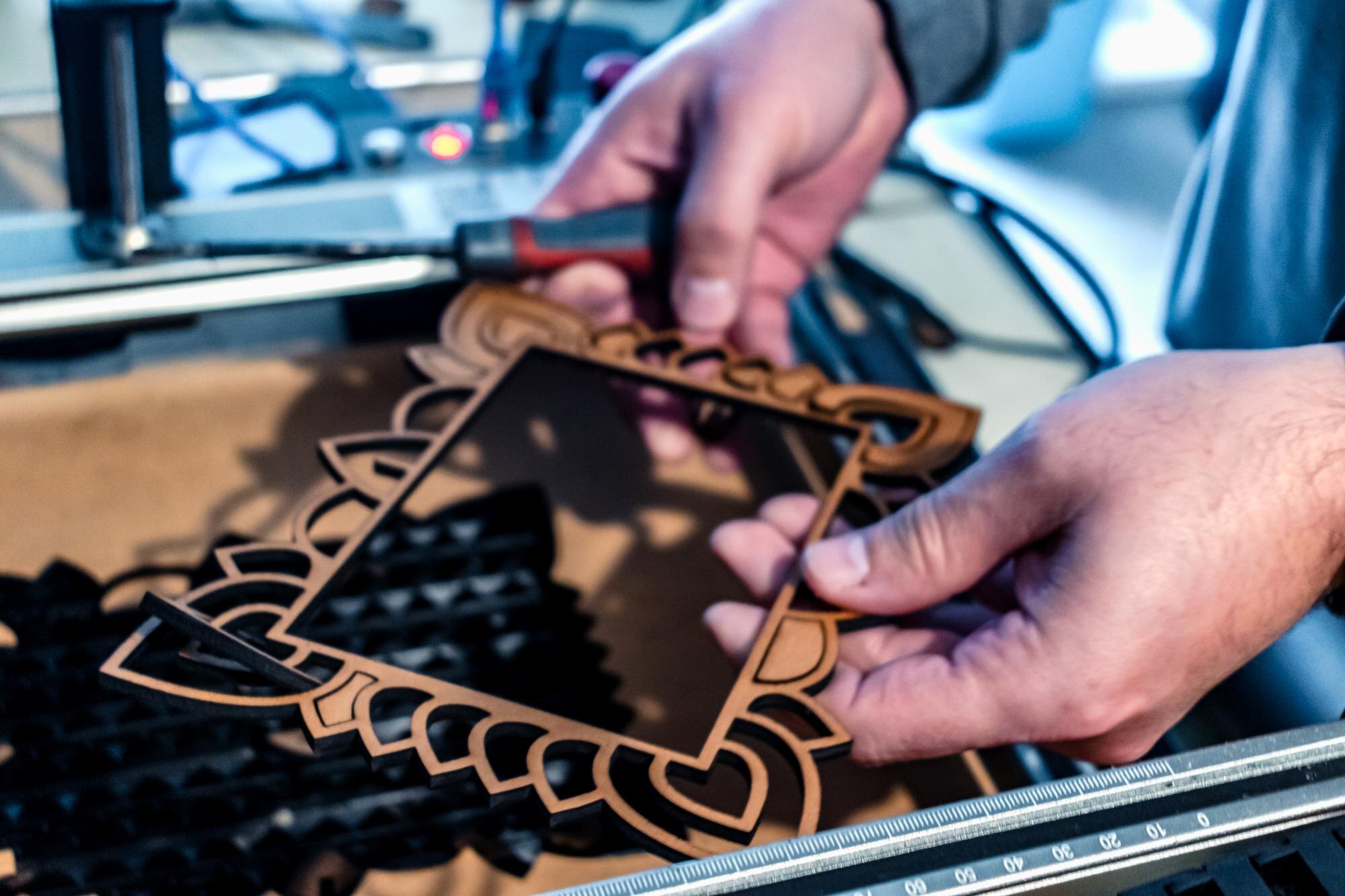
Now that we’ve explored both techniques, how do you choose? The decision depends on your project’s needs. Here’s how to make the best choice.
Project Suitability Tips
Start by assessing your project’s requirements. If you need intricate details and sharp edges, CNC laser cutting is your ally. It’s ideal for projects where precision is paramount. On the other hand, if you’re looking to create large, hollow shapes, vacuum forming is your go-to. Consider the end use: decorative, protective, or functional.
Don’t just stop at the material. Think about the scale of your project. Laser cutting is excellent for smaller runs, whereas vacuum forming suits mass production. Matching the method to your project’s scale can save both time and resources.
Factors to Consider
Several factors influence your choice: material type, project complexity, and budget. Laser cutting might have higher initial costs, but its precision can save on finishing expenses. Vacuum forming, while versatile, may require specialized molds, impacting upfront costs.
Another factor is turnaround time. Laser cutting projects often have quicker lead times, while vacuum forming might take longer due to mold preparation. Weigh these considerations carefully to align with your project’s timeline and budget.
Partnering with Plastic Online
Ready to bring your project to life? Plastic Online is your trusted partner. We offer both CNC laser cutting and vacuum forming, backed by award-winning service. Our local production ensures quality and speed, getting your projects done right and fast.
By partnering with us, you gain access to our expertise and advanced technology. We help you navigate the complexities of plastic fabrication, offering guidance every step of the way. From prototype to production, we’re here to support your success.
Get precision-cut plastics tailored for your project’s success