
Choosing the right plastic accessories Australia-wide can make or break your custom fabrication job. Picking the wrong adhesives, fasteners, or mounting hardware wastes time and risks costly rework. This guide cuts through the clutter, showing you how to match accessories to your material, environment, and install method—so your project runs smoother, faster, and without surprises. For more insights into fabricating plastic parts, check out this guide.
Selecting the Right Plastic Accessories
Understanding Material Compatibility
Getting the right plastic accessory starts with knowing your materials. Plastic accessories Australia aren’t one-size-fits-all. Each type of plastic—acrylic, polycarbonate, HDPE—needs specific adhesives or fasteners. For instance, acrylic glue solvent cement works wonders on acrylic but isn’t suitable for HDPE. Before you start, ensure you have the right accessory for your material.
Compatibility is crucial because it affects durability and performance. Using the wrong plastic adhesives Australia can lead to weak bonds and project failure. Always double-check product descriptions or consult with experts to confirm compatibility. This simple step saves time and money.
The Role of Environment and Load
Did you know environment and load are game-changers in choosing accessories? The conditions your project will face can affect what you should use. For instance, VHB tape for signage is excellent in a controlled indoor setting but might fail outdoors under harsh weather.
If your project involves heavy loads, you’ll need robust support. Nylon fasteners for plastic can handle significant stress but are not always suitable for every environment. Consider factors like temperature, humidity, and exposure to chemicals when selecting your accessories. This ensures longevity and reduces maintenance hassles.
Matching Installation Methods
The installation method can make or break your project. You need to match your accessories to how you plan to install them. Threaded inserts for plastic are ideal for projects needing frequent assembly and disassembly. They offer a secure and reusable fixing.
For more permanent installations, adhesives or solvent cements## Selecting the Right Plastic Accessories
Choosing the right plastic accessories ensures your project goes off without a hitch. You’ll save time, avoid rework, and keep costs down. Let’s dive into the details.
Understanding Material Compatibility
First things first: not all plastics work well with the same adhesives or fasteners. It’s crucial to match your accessories with the specific type of plastic you are using. For instance, acrylic glue or solvent cement is ideal for joining acrylic accessories, while nylon fasteners work best with materials like polycarbonate. This ensures a strong bond and long-lasting results. You can learn more about choosing the right accessories here.
The Role of Environment and Load
Next, think about where your project will be located and what kind of stress it will endure. If your installation is outdoors or in a high-moisture area, opt for rust-resistant and UV-stable materials. In high-load scenarios, ensure your fasteners and adhesives can handle the weight and tension. This is crucial for preventing failures and ensuring longevity.
Matching Installation Methods
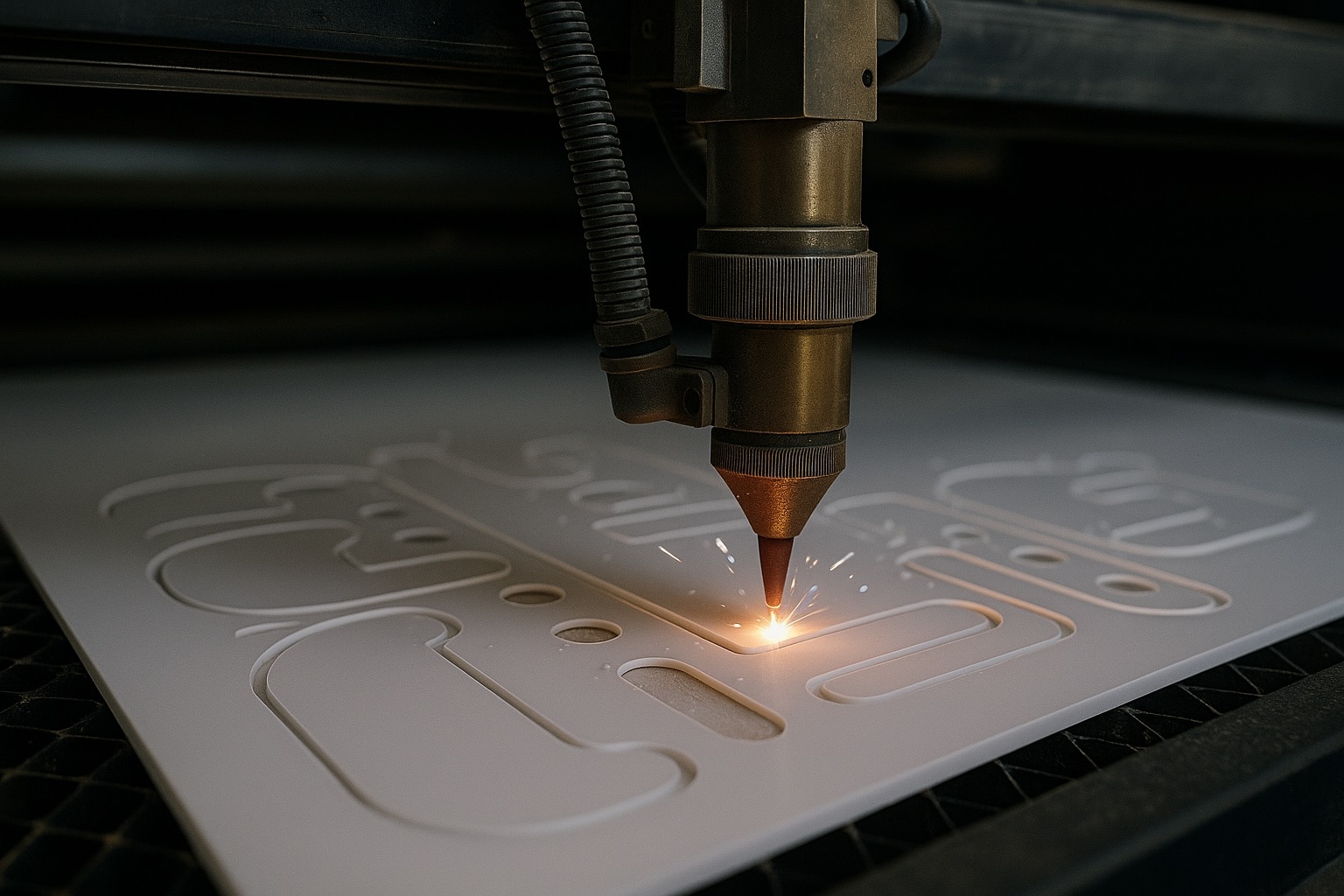
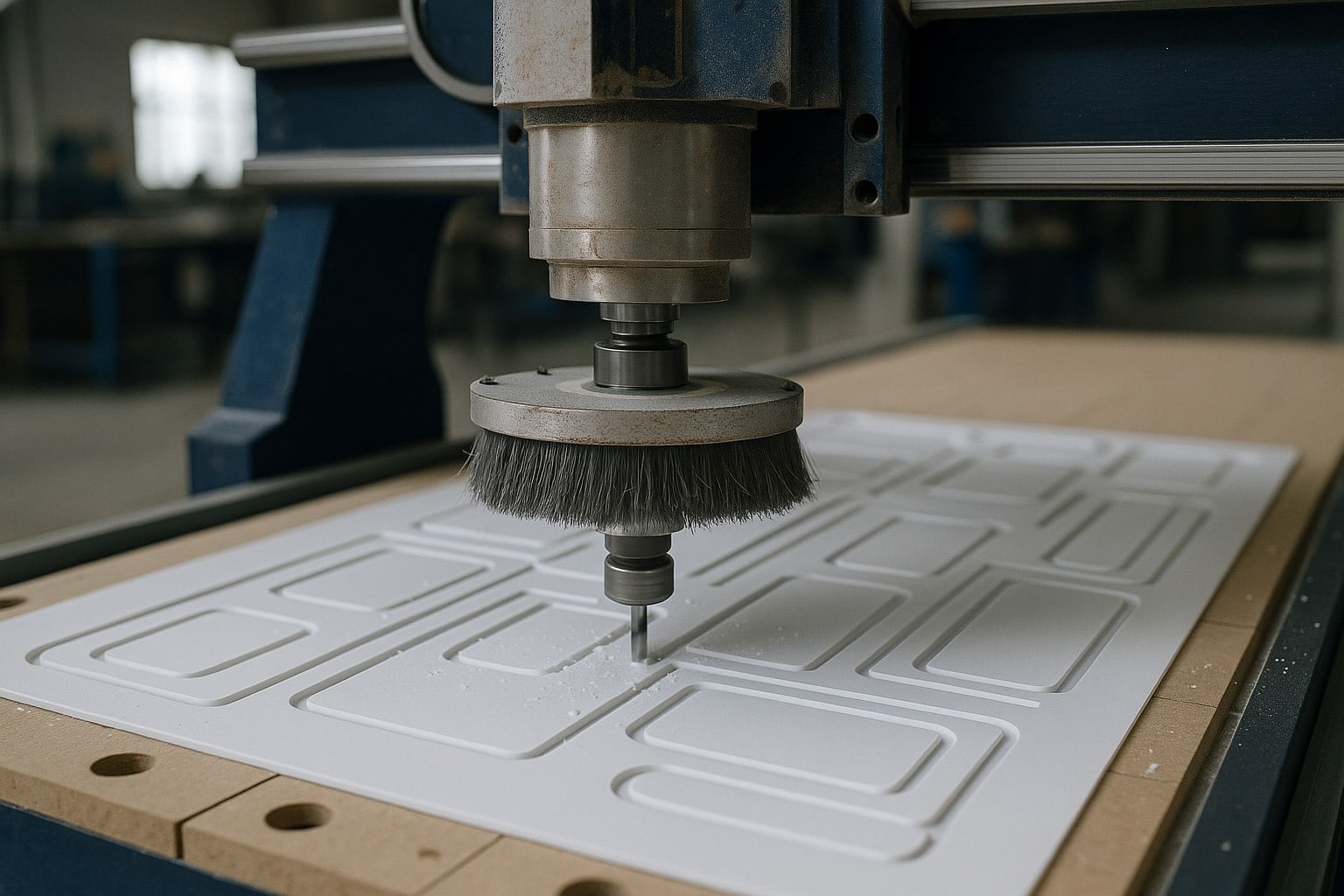
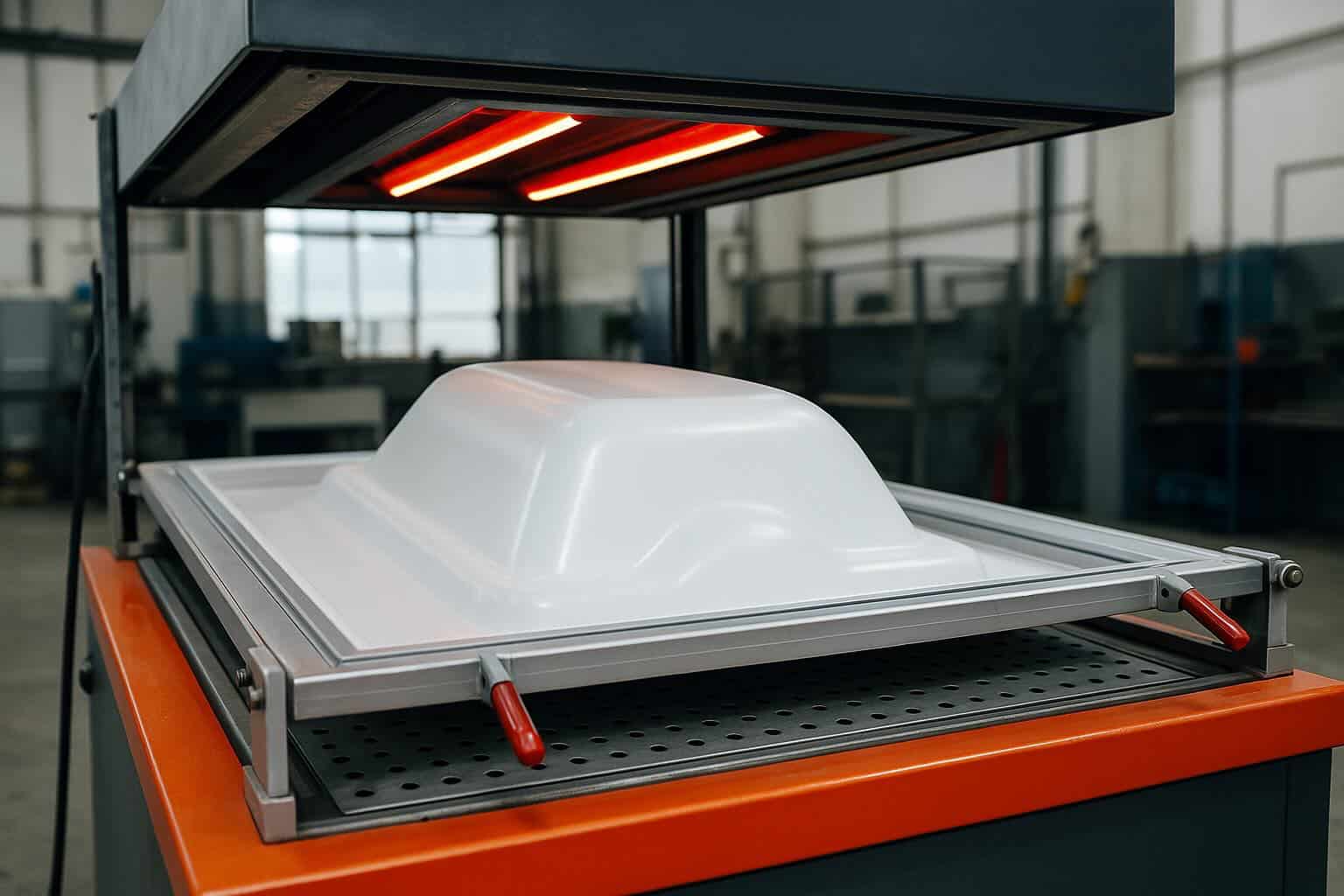
Finally, consider how the plastic will be installed. Will you be using CNC laser cutting or vacuum forming? Each technique might require different accessories or methods. For example, certain tapes offer better adhesion on surfaces treated with water jet cutting plastics. Familiarising yourself with the installation method helps in selecting the right tools and accessories.
Essential Plastic Accessories for Fabrication
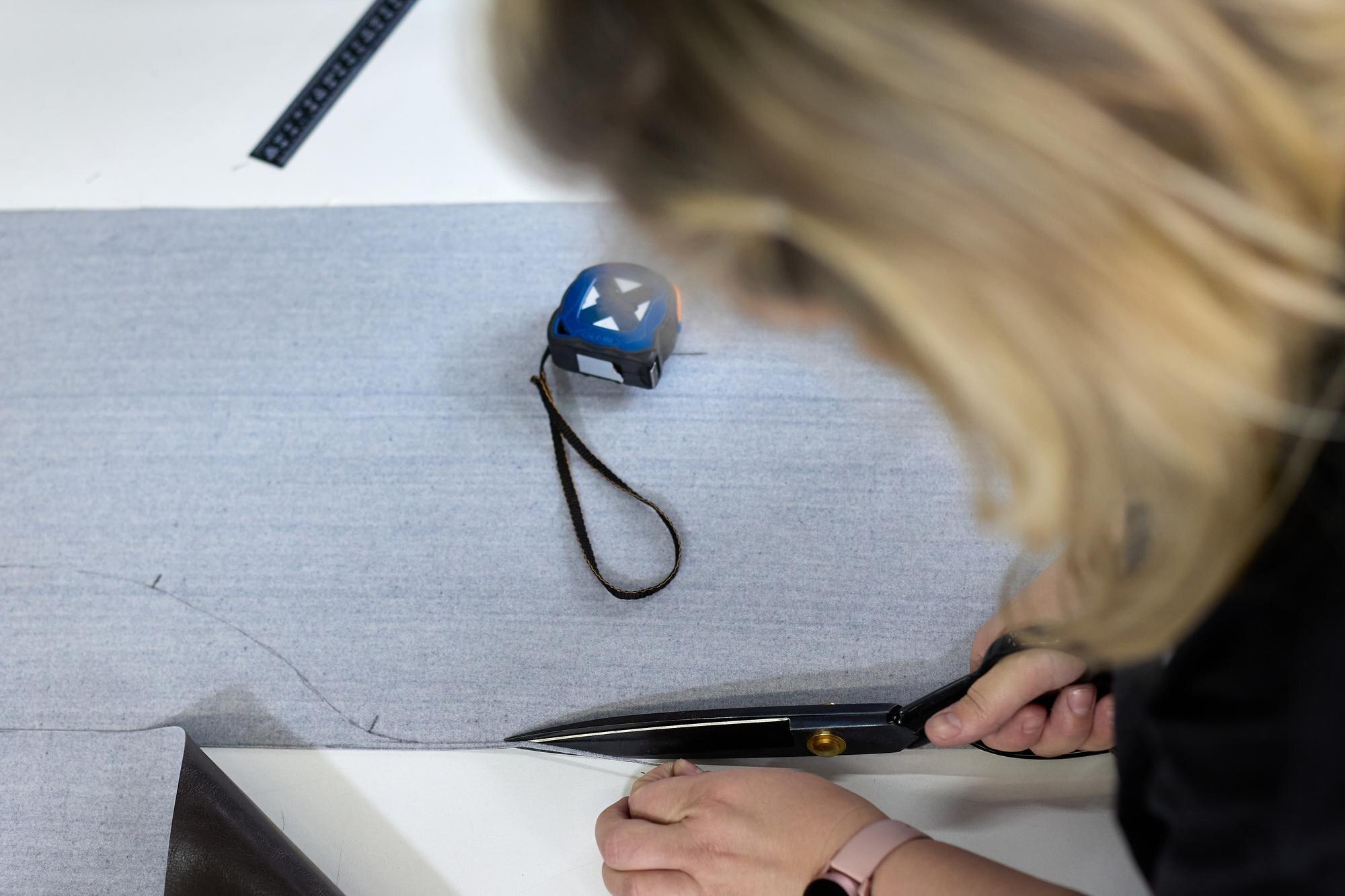
Equipping yourself with the right tools and materials is half the battle. Here’s a breakdown of essential plastic accessories to streamline your fabrication process.
Adhesives and Solvent Cements
Adhesives are indispensable in holding your project together. Solvent cements, for example, can provide strong bonds for certain plastics. If you’re working with acrylic, choose an adhesive that chemically fuses the material for a seamless, robust connection. Always check the compatibility of the adhesive with your specific type of plastic to avoid weak bonds.
Tapes and Mounting Systems
Tapes and mounting systems offer flexible solutions for non-permanent installations. VHB tape is particularly effective for signage applications due to its strong adhesive properties. For those in the signage industry, the right mounting hardware for displays can make or break the presentation of your final product. Consider the weight and exposure conditions when selecting tapes.
Mechanical Fixings and Fasteners
For more permanent solutions, mechanical fixings and fasteners are essential. Threaded inserts for plastic and nylon fasteners offer reliable options for various applications. When working with heavier materials or in dynamic environments, these fasteners provide the necessary strength and durability. They help ensure that your components stay firmly in place, regardless of external conditions.
Finishing and Maintenance Considerations
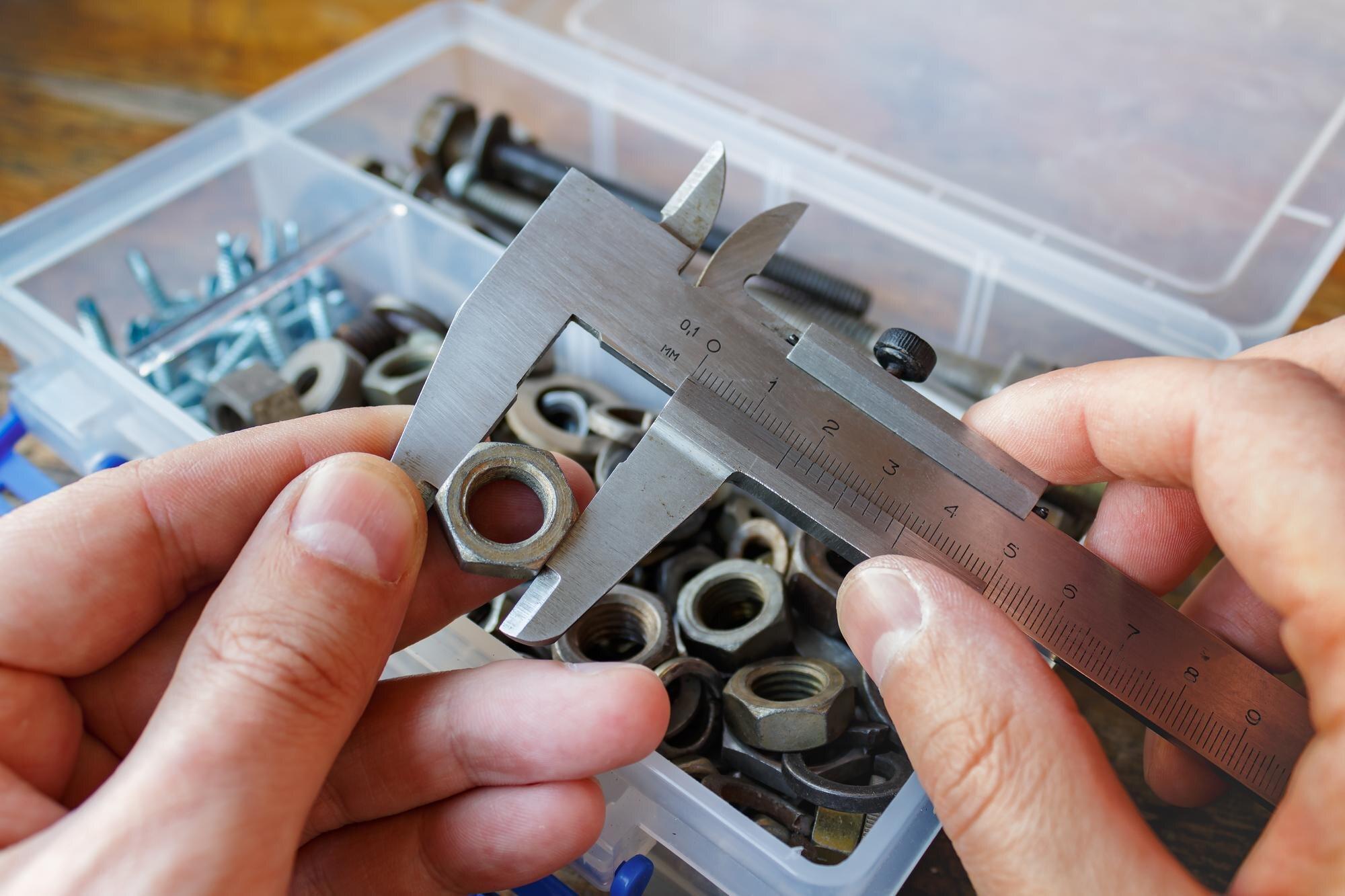
Once your project is assembled, proper finishing and maintenance ensure it looks great and lasts long. Let’s cover the essentials.
Edge Finishing and Polishing
A well-finished edge not only looks professional but also enhances safety. Edge polishing acrylic can give your project a sleek, finished look. Whether you’re using CNC or manual tools, ensure your edges are smooth to prevent injuries and improve aesthetics.
Cleaners and Surface Preparation
Keeping your plastic surfaces clean is key to maintaining their appearance and functionality. Use an anti-static acrylic cleaner to remove dust and fingerprints without scratching the surface. Proper surface preparation also means better adhesion for any additional coatings or adhesives you might apply.
Protection and Trim Solutions
Lastly, consider protective and trim solutions to prolong the life of your project. These accessories not only offer added durability but also improve the final look. Whether you need edge trims or protective films, these solutions safeguard your work from daily wear and tear.
Frequently Asked Questions
What are the best adhesives for acrylic plastics?
Acrylic glue and solvent cements are ideal for bonding acrylic plastics. They create strong, chemical bonds that ensure durability and a seamless finish.
How do you choose the right fasteners for plastic?
Select fasteners based on the plastic type and project environment. Nylon fasteners work well for lightweight applications, while metal inserts provide extra strength for heavier loads.
What should be considered when using tapes for mounting?
Consider the surface type, weight of the mounted object, and environmental conditions. VHB tapes offer excellent adhesion and are suitable for many signage applications.
How do you ensure a smooth finish on plastic edges?
Use appropriate edge finishing tools like polishing wheels or fine sandpaper. This ensures a smooth, safe, and professional appearance.
Why is surface preparation important in plastic fabrication?
Proper surface preparation ensures better adhesion for adhesives and coatings, extending the life and performance of your project.
Explore creative ways to enhance projects with new accessories