
Cold weather hits your workshop, and suddenly your plastics aren’t behaving. Cracking, warping, delays—it all adds up to lost time and extra costs. Working with plastics in cold weather demands a clear plan: how you store, machine, and install materials makes all the difference. This guide breaks down practical steps to keep your projects moving smoothly, with materials built for low temperature plastics Australia trusts. Read more about low temperature plastic options here.
Storing Plastics in Cold Weather
Proper storage of plastics in cold weather is crucial to prevent brittleness and damage. Let’s explore essential storage tips that shield your materials from the harsh winter conditions.
Plastic Storage Temperature Guidelines
Keeping plastics at the right temperature helps maintain their integrity. Aim to store materials in an area where the temperature stays above freezing. This helps prevent the brittleness that can lead to cracking. Use insulated storage facilities if possible and monitor the temperature regularly. Check out low temperature guidelines for specific plastics.
Prevent Cracking in Acrylic
Acrylic is known for its clarity and versatility, but it’s prone to cracking in cold weather. Store acrylic sheets flat and covered to prevent exposure to fluctuating temperatures. If you need to work with it in cold conditions, gradually warm the sheets to room temperature before machining or installation. This simple step can significantly reduce the risk of cracking.
HDPE Low Temp Performance
High-density polyethylene (HDPE) is robust, but performance can dip in cold climates. Keep HDPE indoors or in a temperature-controlled space. This preserves its flexibility and impact resistance. Should outdoor storage be your only option, use covers to protect the material from direct cold exposure. Learn more about HDPE performance in low temperatures.
Machining and Installing Plastics
Machining and installing plastics in the winter require careful attention to detail. Here’s how to ensure smooth operations even when the mercury drops.
Machining Plastics in Winter
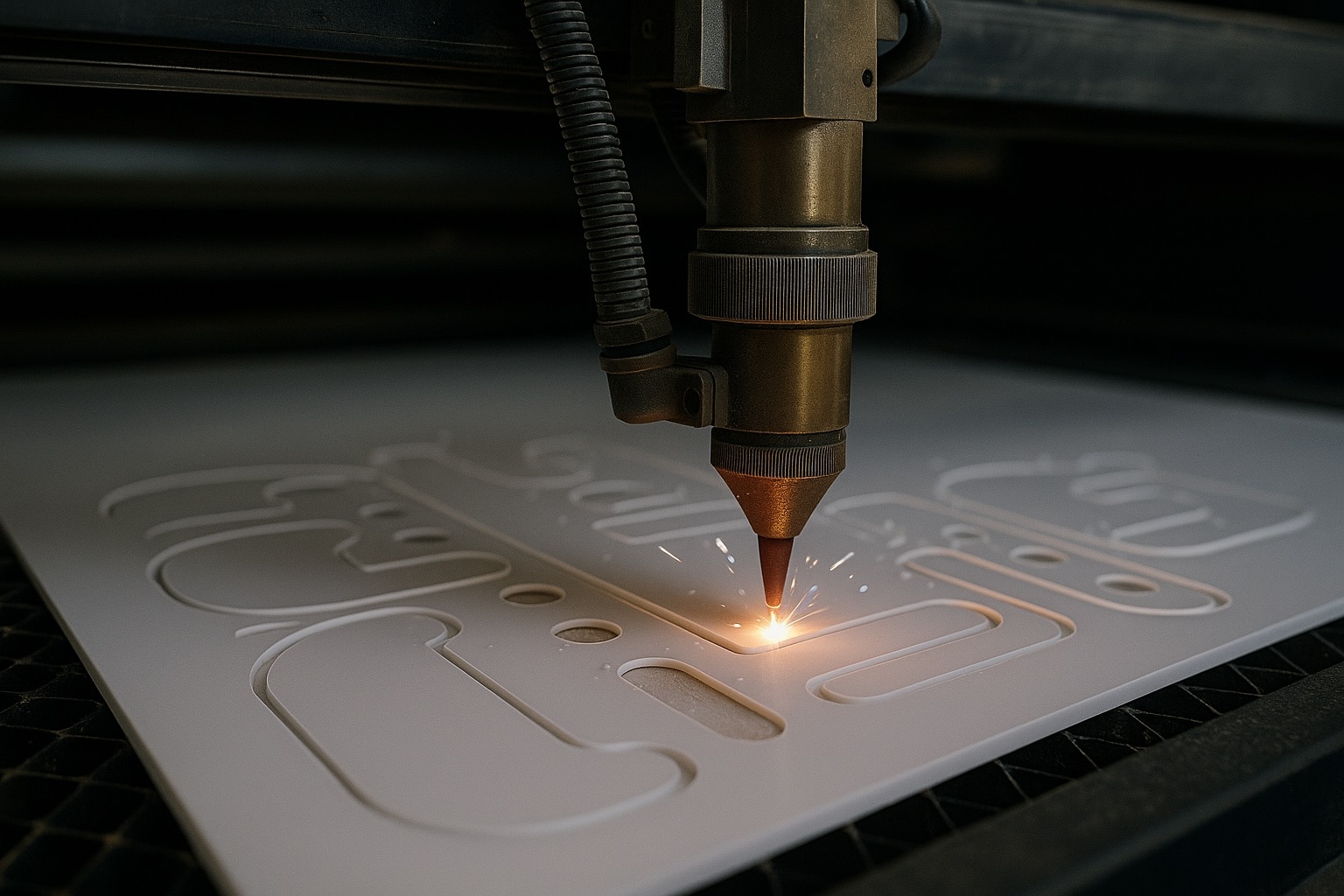
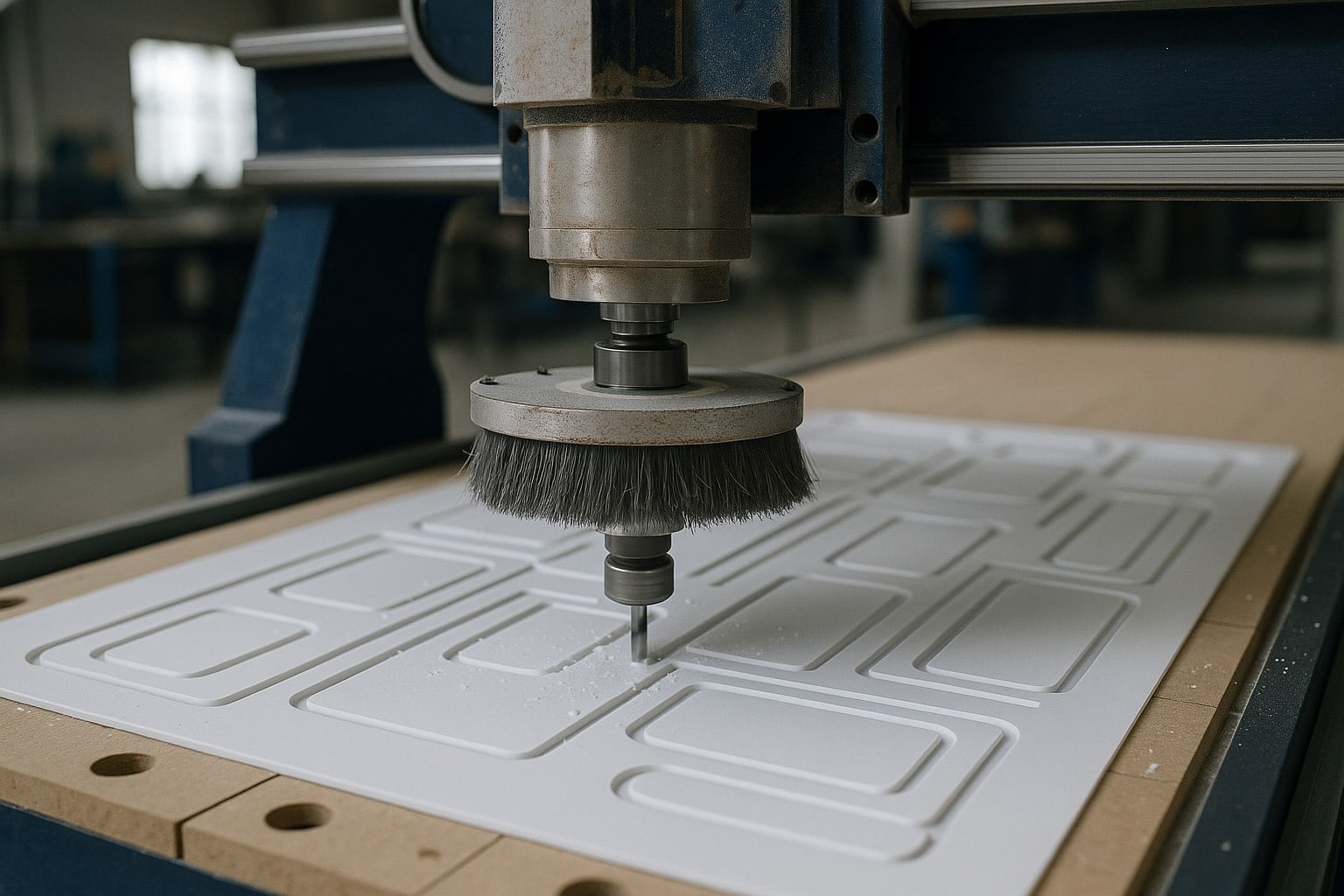
Cold weather can make plastics brittle, affecting machining. Before you begin, acclimate materials to the workshop’s temperature. Use sharp tools at slow speeds to reduce friction and heat build-up. This approach helps maintain a clean cut and prevents the material from chipping.
Cold Bending Plastic Sheet
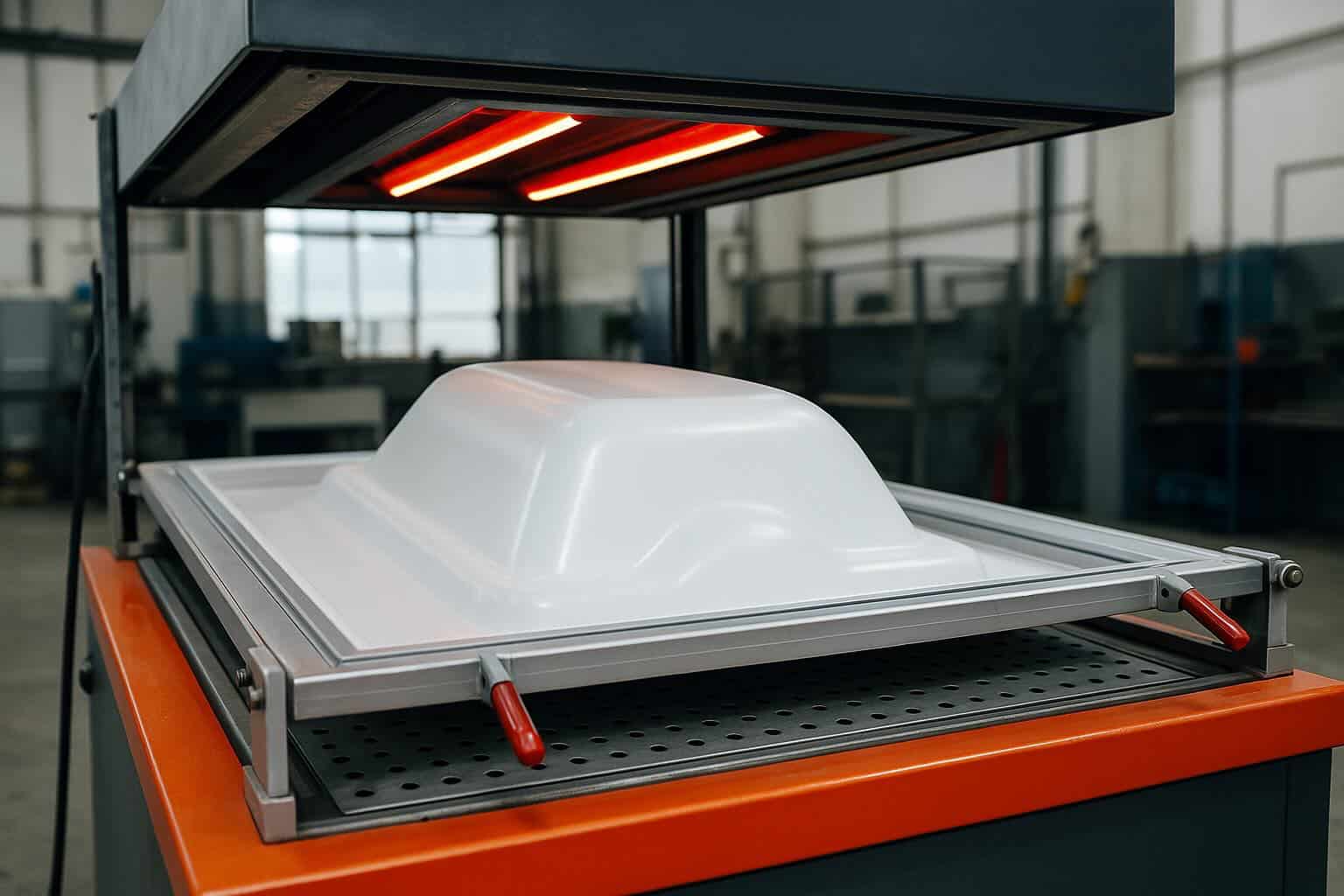
Bending plastic sheets in cold weather can be a challenge. Gradually heat the plastic to increase pliability. Use a heat gun or a warm room to soften the material. This method prevents cracks and ensures a smooth, even bend. Remember, patience is key to achieving the best results.
Bonding Plastics in Cold Conditions
Bonding plastics in cold weather requires special adhesives designed for lower temperatures. Ensure both surfaces are clean and free of moisture. Use a clamp to hold the pieces together while the adhesive cures. This extra step secures a strong bond even in chilly conditions. For more tips, explore bonding methods for cold conditions.
Selecting the Right Material

Choosing the right material is vital for success in cold weather projects. Let’s look at some plastics that perform well in low temperatures.
Polycarbonate Cold Resistance
Polycarbonate is known for its toughness and excellent cold resistance. It remains impact-resistant and clear even in freezing conditions. Use polycarbonate for outdoor glazing or applications where visibility and strength are crucial. This material stands up to winter’s challenges without compromising quality.
UHMWPE Cold Weather Applications
Ultra-high molecular weight polyethylene (UHMWPE) excels in cold weather. Its low friction and high wear resistance make it ideal for liners and sliding surfaces. This plastic stays durable and reliable, providing a perfect solution for extreme winter applications. Discover more about UHMWPE’s cold-weather applications.
Acetal POM Low Temperature Use
Acetal or POM is a strong and stable material that performs well in low temperatures. Its dimensional stability makes it suitable for precision components. Use Acetal POM where precision and reliability are non-negotiable, ensuring your projects remain on track regardless of the weather.
In summary, managing plastics in cold weather requires careful planning and execution. By storing materials properly, choosing the right plastics, and using the appropriate techniques, you can avoid costly delays and damages. Remember, the right preparation today saves time and money tomorrow.
Take advantage of our winter project specials now