
Ordering the right plastic material and fabrication method shouldn’t slow down your job. Too often, unclear specs or the wrong supplier cause costly delays. This guide cuts through the confusion, helping you pick the right plastic and process fast—whether you need cut to size plastic sheets, CNC routing, or vacuum forming. Let’s make sure your next order is spot on and arrives when you need it. For more detailed insights, check out our resources here.
Choosing the Right Plastic Material

Getting the right plastic for your project can save you both time and money. Each type of plastic has unique properties that suit different needs. Let’s explore how material properties affect your choices.
Understanding Material Properties
When selecting a plastic, think about the key features you need. Strength, clarity, and resistance are common considerations. For instance, if durability is a priority, polycarbonate might be your best option. It’s known for its impact resistance and is often used in safety-related products like machine guards.
If you’re looking for something more flexible, consider HDPE sheets. They are tough yet lightweight, making them perfect for outdoor signs and containers. For heat resistance, PTFE could be the answer. This plastic withstands high temperatures and harsh chemicals, often found in industrial applications.
Understanding these properties can prevent costly mistakes and ensure you get the right materials for the job. For a deeper dive into these materials, take a look at the Engineering Materials Properties.
Comparing Common Plastic Types
Not all plastics are created equal. Let’s break down some common types to see what fits your needs. Acrylic sheets are popular for their clarity and are often used in retail displays. They’re a cost-effective alternative to glass with excellent optical properties.
On the other hand, PVC foam board is a favorite in signage and construction due to its versatility and ease of use. It’s lightweight, easy to print on, and can be cut to any shape you need. For engineering applications, acetal rods offer precision and high strength, ideal for gears and bearings.
Remember, choosing the right plastic can be the difference between a successful project and a setback. For more about designing with plastic, this guide is helpful: Designing Plastic Parts.
Selecting for Durability and Use
Before finalizing your choice, consider how the plastic will be used. If it’s for outdoor signs, you’ll need UV-stable plastics. Polycarbonate and certain acrylics are suitable for this. They resist yellowing and cracking under the sun.
For food-grade applications, HDPE and PETG are excellent choices. They meet safety standards and are widely used in food packaging and preparation surfaces.
When it comes to impact resistance, few materials beat polycarbonate. It’s used in bulletproof windows and riot shields for a reason. Make sure your choice aligns with your needs to avoid unnecessary wear and tear.
Efficient Fabrication Methods

Once you have the right material, the next step is fabrication. Knowing the right method can streamline your project and enhance the final product.
Comparing CNC and Manual Techniques
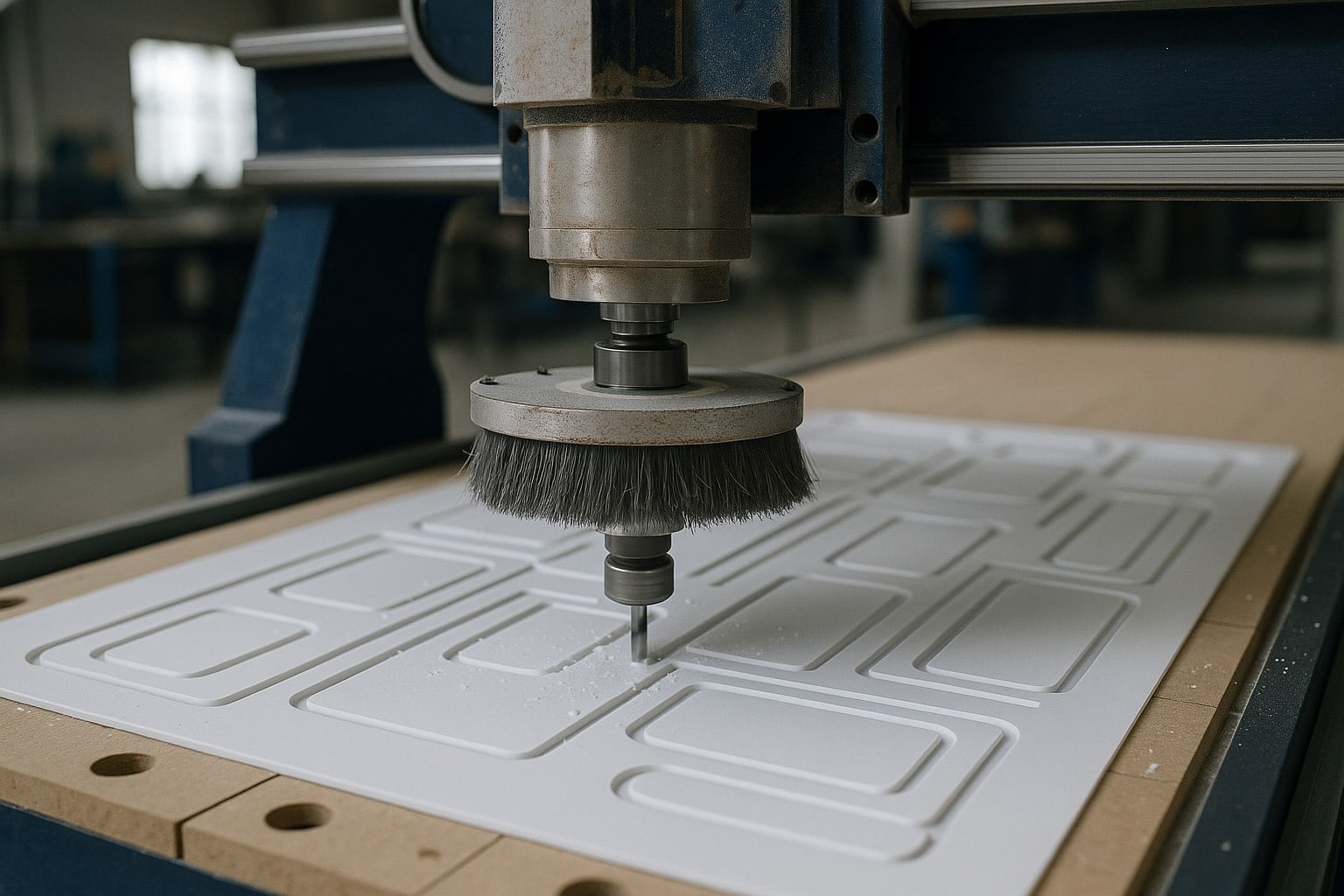
CNC machining offers precision and consistency, making it ideal for complex designs. It’s perfect for repeated cuts with exact measurements, saving you time on adjustments. Plastic machining with CNC can handle intricate designs on materials like acrylic or nylon, ensuring a perfect fit every time.
Manual techniques, while more labor-intensive, allow for flexibility and quick modifications. They’re suitable for simpler projects or when small changes are needed on the fly. Both methods have their place depending on the project’s complexity and volume.
For more on the differences in fabrication methods, this tutorial is a great read.
Thermoforming and Vacuum Forming
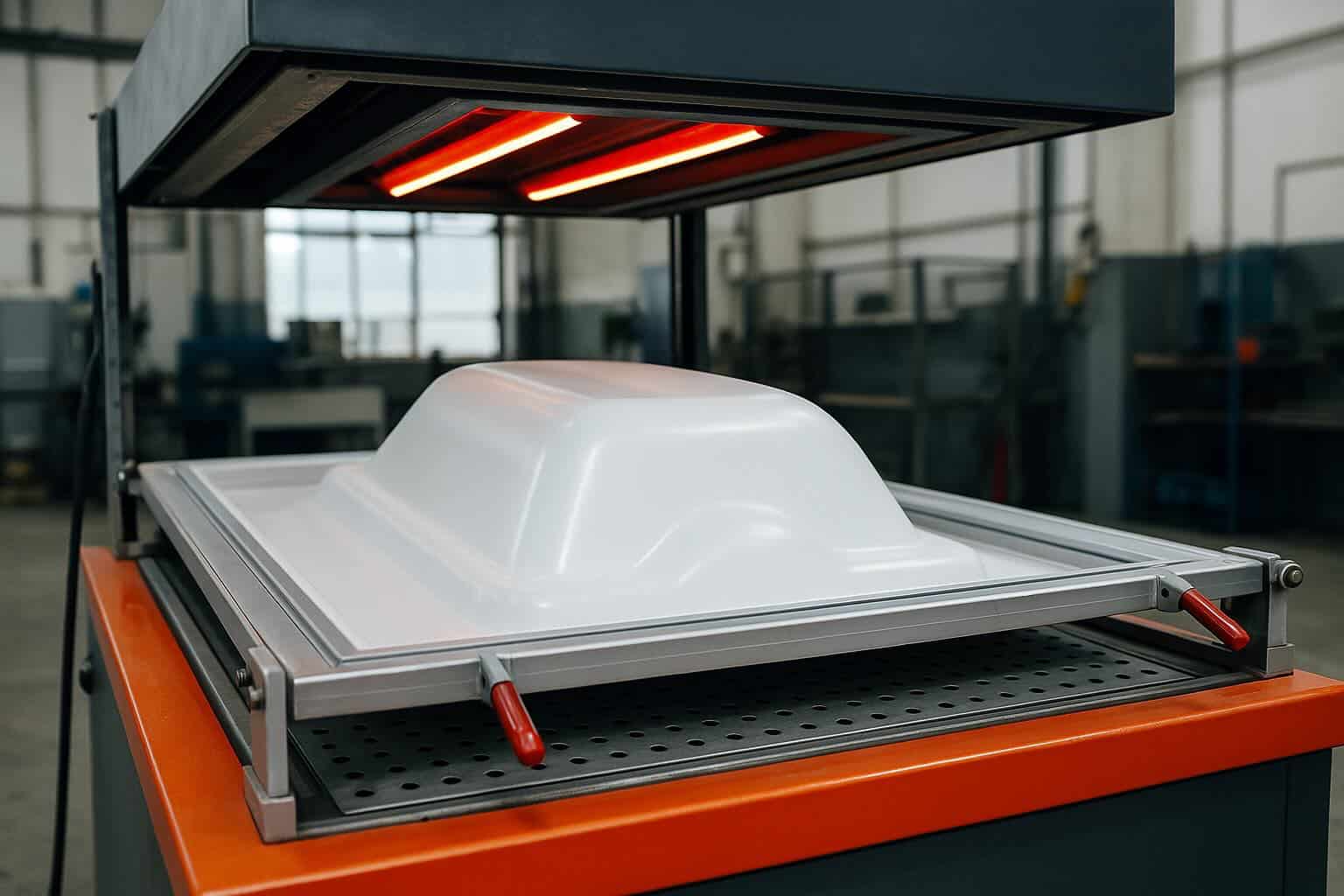
Thermoforming and vacuum forming are popular for creating 3D shapes and components. These methods use heat to mold plastic sheets over a form. They’re ideal for making custom plastic parts like trays, machine housings, and signage.
Vacuum forming is especially useful for larger parts, providing durability and a smooth finish. It’s faster and more cost-effective compared to injection molding for small batches. Whether you need a prototype or a production run, these methods can deliver quality results quickly.
To understand these forming techniques better, consider this manufacturing guide.
Custom Signage and Machining
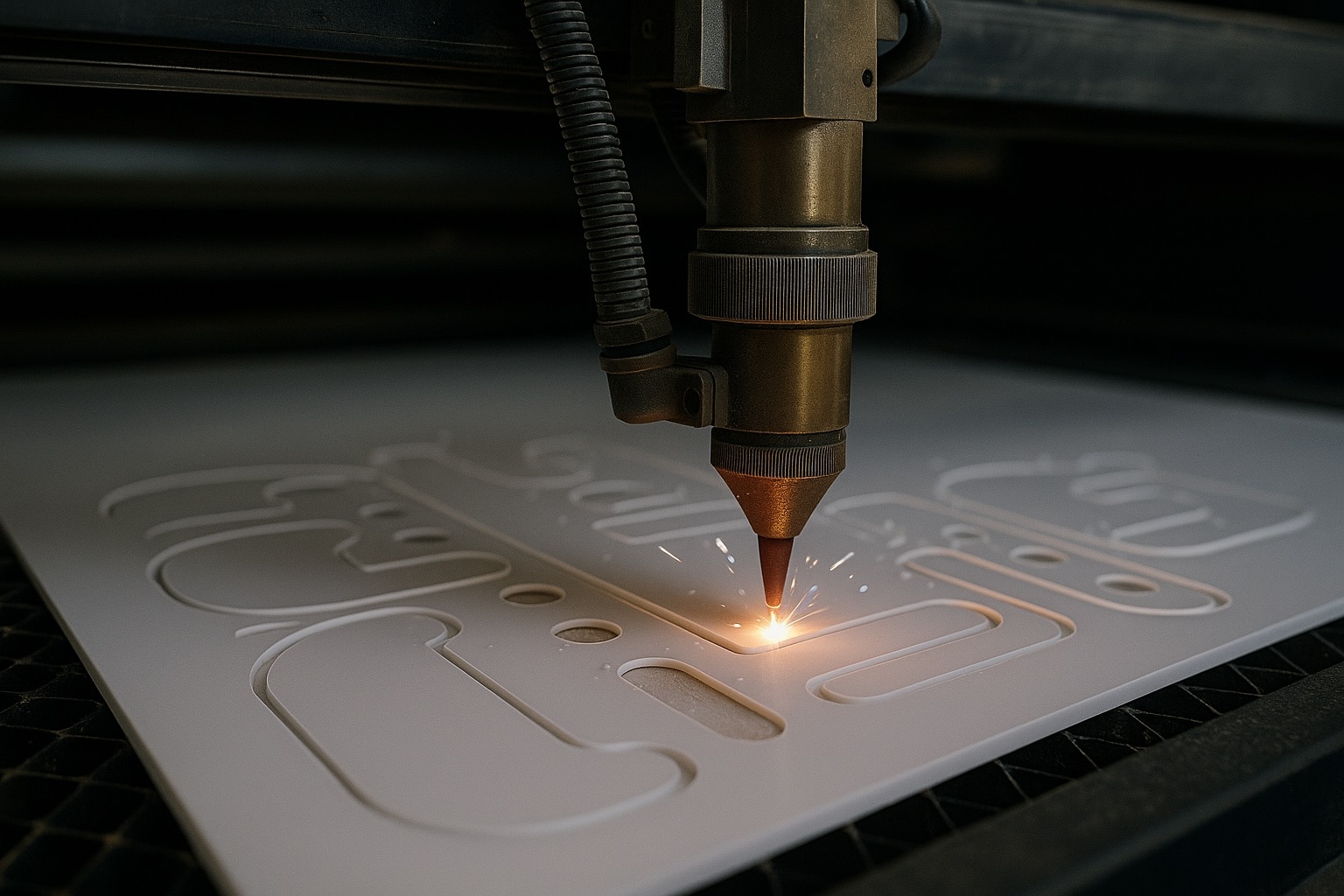
Creating standout signage requires precision and creativity. CNC routing and laser cutting offer the accuracy needed for detailed designs. These techniques are perfect for signage plastics like acrylic and PVC, allowing for clean edges and intricate details.
Custom signage can elevate your brand and attract customers. By choosing the right fabrication methods, you can ensure your signs not only look good but also last longer. Whether it’s a simple cutout or a complex logo, effective machining makes all the difference.
For resources on how to design and fabricate custom parts, check out the plastics product literature.
Ordering and Service Benefits

With the right materials and methods, you’re ready to place your order. Here’s what to expect from a reliable plastic supplier.
Fast Cut-to-Size Online
Ordering cut-to-size plastic sheets online can save you time and hassle. With instant quotes and easy configuration, you can get exactly what you need without delays. This service is perfect for both large orders and small, custom requests. By specifying your dimensions upfront, you eliminate guesswork and reduce waste.
Most customers find that online ordering provides the speed and accuracy they need to keep projects on track. When you don’t have time to waste, this is the way to go.
Reliable Local Manufacturing
Local manufacturing offers benefits like faster delivery and better quality control. When your supplier is nearby, you get products made to your specifications quickly. This proximity also means you can easily communicate any changes or issues, ensuring your order is just right.
Having a local partner means you can visit the facility if needed, providing peace of mind and trust in the process. This is especially important for businesses that rely on consistent quality and service.
Getting Quotes and Expert Advice
The right supplier doesn’t just take orders; they provide expertise. Getting quotes and advice from seasoned professionals can prevent costly mistakes. Want to know the best material for your job? Or how to cut down on waste? Expert advice ensures you get the best product for your needs.
If you’re unsure about any aspect of your order, reaching out for advice can save time and money. Most people find that expert insights make a big difference in the final outcome.
When you’re ready to make your next order, remember these insights to ensure everything goes smoothly. Choosing the right materials and methods can make all the difference in your project’s success.
See why our precise cutting and local manufacturing stand apart