
Planning custom plastic fabrication projects often feels like juggling too many balls at once. You’re racing against tight deadlines, sorting material specs, and trying to nail tolerances—all while keeping costs in check. Getting it right from the start, with clear drawings and smart batching, means your job finishes on time and on budget. This guide walks you through practical steps to streamline your project using Plastic Online‘s trusted services and local manufacturing expertise.
Scoping Your Plastic Project
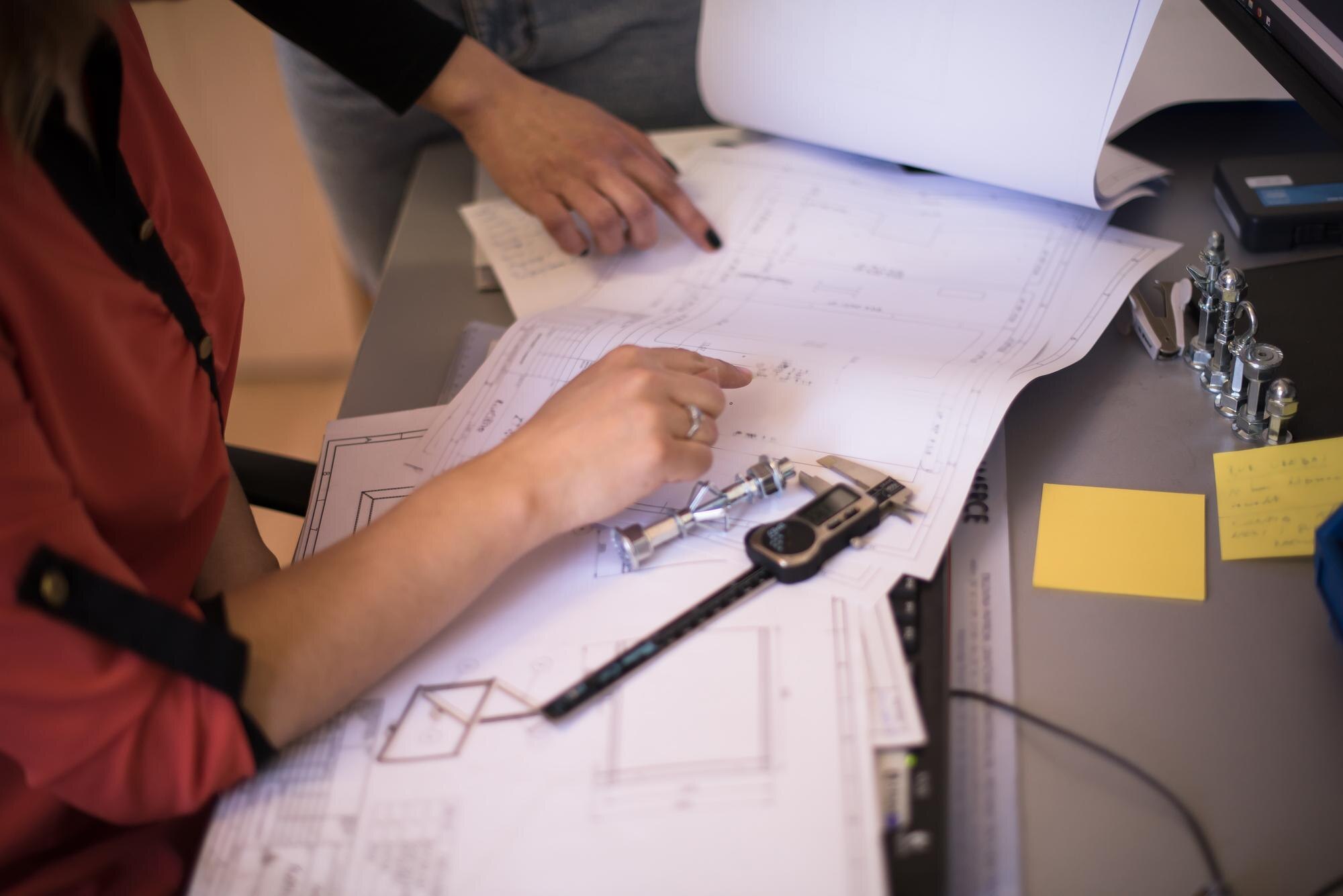
Understanding the ins and outs of your project scope lays the foundation for success. It guides you in making informed decisions and sets the stage for a smooth process.
Choosing the Right Materials
Selecting the perfect materials can be tricky, but it’s crucial. Consider what your project needs: strength, clarity, or maybe resistance to chemicals. Polycarbonate sheets offer high impact resistance, while acrylic sheets are ideal for clarity. Talking with an expert can save you time. They can point you to the right material, ensuring your project stands up to its demands.
Understanding Tolerances and Specifications
Tolerances define how much a part can vary from the design. Too tight and they might cost you extra; too loose and parts may not fit well. Aim for a balance that maintains function without inflating costs. Specifications should be clear and precise. This helps your fabricator hit the mark on the first go, saving you revisions and headaches.
Preparing Accurate Drawings and Formats
Accurate drawings mean fewer errors and smoother production. Using formats like DXF or CAD ensures your designs are easy to interpret. Precise drawings guide the fabrication team, helping them understand your vision without missteps. This reduces back-and-forth communication, keeping your timeline intact.
Efficient Production Processes

Once your project is scoped out, it’s time to dive into production. Here’s how to keep things moving smoothly.
Prototyping and Batch Processing
Prototyping allows you to test designs before full-scale production. It’s like a trial run, catching potential issues early. Batch processing, on the other hand, boosts efficiency. By producing parts in groups, you save time and reduce costs. These steps make your project more predictable and dependable.
Finishing and Quality Assurance
The finishing touches matter. They ensure your parts not only look good but also meet quality standards. Quality assurance checks catch any defects, maintaining consistency across all pieces. This attention to detail means you receive products ready to impress and function as expected.
Delivery and Lead Times
Timely delivery is key. Knowing the lead times helps you schedule other tasks around the arrival of your parts. Communicate with your supplier regularly to stay updated on your order status. This way, you can adjust plans if needed and avoid any last-minute rushes.
Optimising Your Plastic Orders

Ordering isn’t just about placing a request. It’s about making smart choices that benefit your project and budget.
Using Bulk Orders and Trade Pricing
Bulk orders often come with discounts, reducing the cost per unit. Trade pricing can further trim expenses, especially for repeat customers. This strategy maximises value for money, giving you more room in your budget for other needs.
Leveraging Local Manufacturing Benefits
Choosing local manufacturing has its perks. It means faster delivery and the assurance of quality, as products don’t travel far. Supporting local also strengthens your community ties, aligning your project with sustainable practices.
Simplifying the Ordering Process
Complex processes can lead to mistakes. Keep it simple: clear product descriptions and straightforward ordering steps help. Use platforms that allow easy modifications and updates to your order. This simplicity means fewer errors and a more enjoyable experience for you.
By following these steps, you’ll set your custom plastic fabrication project up for success. Each phase, from scoping to delivery, is crafted to keep your project on track and on budget. For more insights into boosting efficiency in your processes, check out this guide to fabricating design operations.
See why our precise cutting and local manufacturing stand apart